
Mold FAQs in Satellite Beach: What Homeowners in Brevard County Should Know
If you live in Satellite Beach, mold questions tend to come up sooner or later.
Between ocean humidity, salt air, afternoon storms, and hurricane season, moisture is simply part of life along the coast. And in Brevard County, moisture is the main ingredient mold needs to grow.
Homeowners in Satellite Beach, Cocoa Beach, Merritt Island, Rockledge, and throughout the Space Coast often ask the same practical questions:
Is this serious?
Do I need testing?
Can I clean it myself?
Will it come back?
Below are straightforward answers to the most common mold questions we hear locally.
What Causes Mold in Satellite Beach Homes?
Mold is always tied to moisture.
In Satellite Beach, the most common causes include:
- Wind-driven rain during storms
- Roof leaks after hurricanes
- Clogged AC drain lines
- High indoor humidity
- Poor attic ventilation
- Window seal failure due to salt air
Even without flooding, consistently high humidity can support mold growth if indoor levels stay above 55–60%.
Florida’s climate makes moisture control a year-round responsibility.
Is Mold Always Visible?
No.
Many mold problems start in hidden areas long before they appear on visible surfaces.
Common hidden locations include:
- Behind drywall
- Under laminate or tile flooring
- In attic insulation
- Around window frames
- Inside HVAC systems
In slab homes common in Palm Bay and Satellite Beach, moisture can travel upward from small leaks without immediate signs.
Often, the first indication is simply a musty smell.
What Does Mold Smell Like?
Homeowners usually describe mold odor as:
- Musty
- Damp
- Earthy
- Similar to wet cardboard
If your home smells noticeably different after heavy rain or when the AC turns on, it’s worth investigating.
Odor often appears before visible staining.
Is All Black Mold Dangerous?
Color alone does not determine risk.
Many common molds appear dark or black. Only laboratory testing can identify specific species.
In most Satellite Beach homes, the main issue isn’t whether mold is black — it’s whether moisture is actively feeding growth.
Correcting the moisture source is what truly matters.
How Fast Does Mold Grow in Florida?
In Brevard County’s warm, humid climate, mold can begin developing within 24 to 48 hours after water intrusion.
After hurricanes affecting Cocoa Beach or Rockledge, attic moisture can support growth within days.
Because humidity remains elevated year-round, materials often take longer to dry than homeowners expect.
Quick response reduces spread.
Do I Always Need Mold Testing?
Not necessarily.
Testing is helpful in situations such as:
- Strong odor without visible mold
- Real estate transactions
- Unclear scope of contamination
- Indoor air quality concerns
However, if visible mold is present and the moisture source is clear, remediation can often proceed without testing.
Testing provides data. Moisture correction solves the problem.
Brevard Mold Inspections & Removal recommends testing when it adds clarity — not automatically in every case.
Can I Clean Mold Myself?
Small surface mildew in bathrooms may sometimes be cleaned if no underlying leak exists.
However, DIY cleanup becomes risky when:
- Mold covers larger areas
- Growth is inside walls
- Insulation is wet
- HVAC systems are involved
- Mold keeps returning
Bleach does not penetrate porous materials like drywall or wood.
Scrubbing without containment can spread spores into other rooms.
If mold returns quickly after cleaning, hidden moisture is likely present.
Why Does Mold Keep Coming Back?
Recurring mold almost always indicates unresolved moisture.
Common causes include:
- AC drain lines still partially clogged
- Attic ventilation imbalance
- Window seal gaps
- Plumbing leaks not fully repaired
- Indoor humidity remaining too high
In coastal areas like Cape Canaveral and Satellite Beach, salt air accelerates wear on exterior seals, increasing moisture entry over time.
If humidity isn’t controlled, mold may return.
What Happens During a Professional Mold Inspection?
A thorough mold inspection in Satellite Beach typically includes:
Visual Assessment
Checking ceilings, walls, attic spaces, plumbing areas, and HVAC systems.
Moisture Mapping
Using moisture meters to detect hidden dampness.
Infrared Imaging
Identifying temperature differences that may indicate trapped moisture.
Humidity Measurement
Evaluating indoor relative humidity levels.
Sampling (If Necessary)
Air or surface samples may be collected when documentation is needed.
The goal is identifying moisture patterns clearly and calmly.
What Does Mold Remediation Involve?
If remediation is required, it usually includes:
- Correcting the moisture source
- Containing affected areas
- Removing contaminated materials if necessary
- Cleaning structural framing
- HEPA air filtration
- Thorough drying
In Florida’s coastal climate, drying is critical before rebuilding.
Without moisture stabilization, mold can return.
How Can I Prevent Mold in Satellite Beach?
Prevention centers on humidity control and regular maintenance.
Homeowners can:
- Keep indoor humidity below 55%
- Service HVAC systems annually
- Flush condensate drain lines regularly
- Inspect attics after storms
- Repair roof damage promptly
- Seal windows and sliding doors
- Monitor plumbing connections
After hurricanes affecting Merritt Island or Rockledge, checking attic spaces within 48 hours can prevent larger issues.
Early attention makes a difference.
Why Does Coastal Living Increase Mold Risk?
Satellite Beach homes face:
- Ocean-driven humidity
- Wind pressure during storms
- Salt-air corrosion
- Continuous AC usage
- Warm attic environments
Homes near the ocean rarely experience extended dry periods.
Humidity management is an ongoing responsibility.
Why Local Experience Matters in Brevard County
Mold behavior in Florida differs from dry climates.
An inspector familiar with Brevard County understands:
- Hurricane-related moisture intrusion
- Slab foundation challenges
- Coastal window vulnerabilities
- Attic ventilation balance
- AC condensation patterns
Brevard Mold Inspections & Removal works throughout Satellite Beach, Cocoa Beach, Merritt Island, Rockledge, Palm Bay, Titusville, and Melbourne. Local knowledge ensures inspections reflect Florida’s climate realities.
A Calm, Practical Perspective
Mold questions are common in Satellite Beach — and understandable.
The good news is that most mold issues in Brevard County homes are manageable when moisture is identified early and corrected properly.
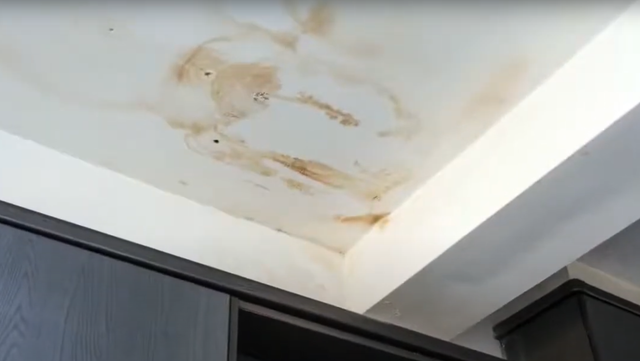
If you notice musty odors, ceiling staining, or unexplained humidity, a professional inspection can provide clarity.
Florida’s climate will always bring moisture.
Staying informed and proactive keeps mold from becoming something bigger.