
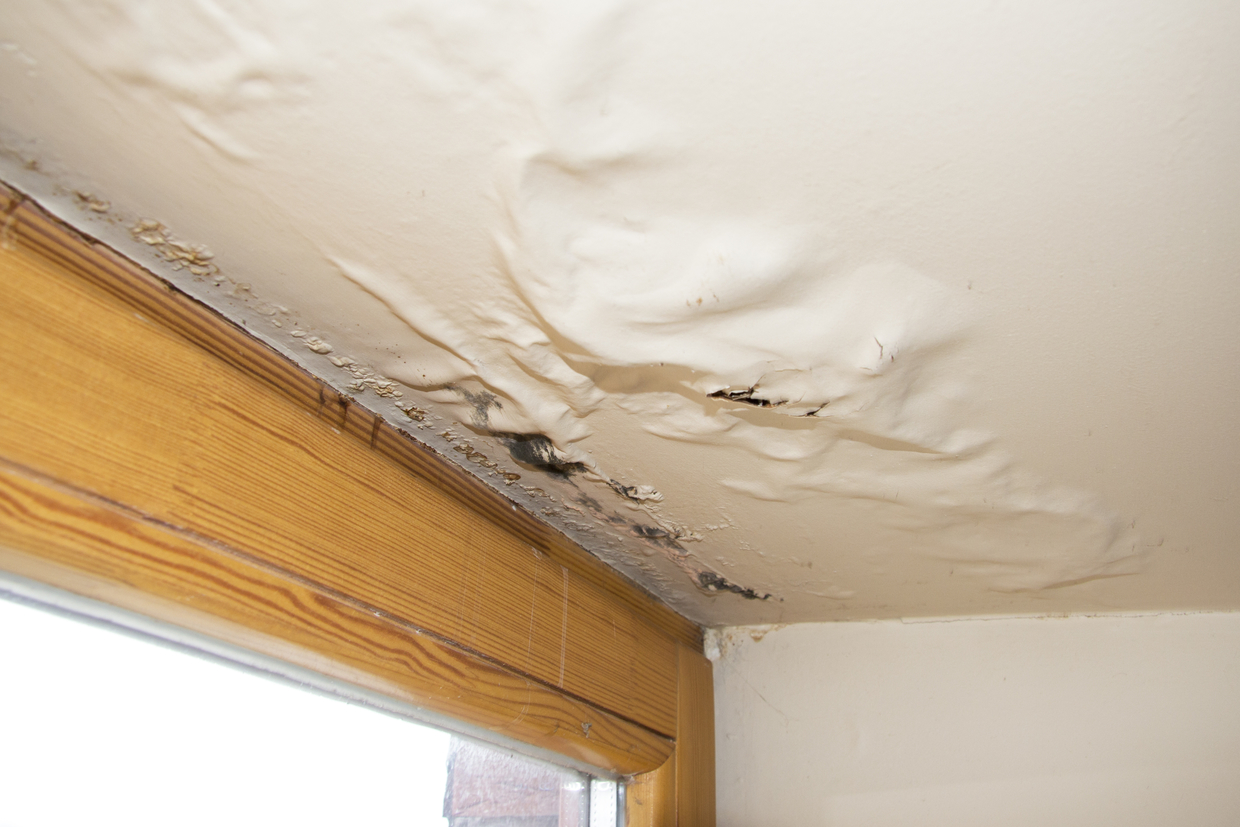
Mold After Hurricanes in Cape Canaveral: What Homeowners in Brevard County Should Know
When a hurricane passes through Cape Canaveral, most homeowners focus on what they can see — missing shingles, damaged fences, debris in the yard.
But in Brevard County’s coastal climate, the bigger concern often develops quietly after the storm.
Even without flooding, wind-driven rain and extreme humidity can introduce moisture into attics, wall cavities, insulation, and HVAC systems. In Florida’s heat, mold can begin developing within 24 to 48 hours.
If your Cape Canaveral home has been through a recent hurricane, understanding how mold develops — and what to check next — can prevent small issues from turning into major repairs.
Why Hurricanes Create Ideal Mold Conditions
Hurricanes combine multiple moisture factors at once:
- Heavy, wind-driven rain
- Rapid pressure changes around doors and windows
- Roof stress and lifted flashing
- Power outages leading to high indoor humidity
- Prolonged damp conditions
Cape Canaveral homes face additional exposure due to direct ocean proximity. Salt air, coastal winds, and sideways rain increase the chances of water intrusion.
Even minor moisture entry into attic insulation or wall cavities can support mold growth.
In Florida’s climate, materials rarely dry quickly without intervention.
No Flooding Doesn’t Mean No Mold Risk
One of the most common misconceptions in Rockledge, Satellite Beach, and Cape Canaveral is that mold only develops after visible flooding.
In reality, many post-hurricane mold problems occur in homes that never had standing water.
Water can enter through:
- Soffit vents
- Ridge vents
- Window seals
- Sliding glass doors
- Roof flashing
- Exterior wall penetrations
These small intrusion points often go unnoticed until a musty odor appears days or weeks later.
The Most Common Post-Hurricane Mold Locations
After inspecting homes throughout Brevard County following storms, certain patterns repeat.
Attics
Wind-driven rain frequently enters attic ventilation openings.
Wet insulation holds moisture against roof decking, allowing mold to develop even if ceilings below appear dry.
Wall Cavities
Water travels along framing before becoming visible inside.
By the time staining appears on drywall, mold may already be active behind it.
Around Windows and Doors
Coastal wind pressure can force rain past aging seals.
This is especially common in older Cape Canaveral and Cocoa Beach homes.
HVAC Systems
If power outages lasted several days, indoor humidity likely rose significantly.
When AC systems restart, condensation may develop inside ducts or air handlers.
Moisture doesn’t need to be dramatic to cause problems.
Early Signs Mold May Be Developing
Within days or weeks after a hurricane, homeowners may notice:
- Persistent musty odors
- Expanding ceiling stains
- Soft drywall near exterior walls
- Warped baseboards
- Damp attic insulation
- Higher indoor humidity readings
In slab homes common in Palm Bay and Titusville, saturated soil may also increase ground moisture around foundations.
Odor is often the first warning sign.
Why Waiting Makes Mold Worse
After a hurricane, attention naturally shifts to visible repairs and insurance claims.
Hidden moisture often receives less attention.
In Brevard County’s humid environment:
- Insulation retains water
- Wood framing absorbs moisture
- Humidity slows natural drying
- Warm temperatures accelerate mold growth
Even if surfaces feel dry, moisture may remain inside materials.
Ignoring attic inspection or moisture testing can allow mold to spread quietly.
Addressing moisture within the first few days significantly reduces remediation scope.
What a Post-Hurricane Mold Inspection Includes
If you suspect moisture after a hurricane in Cape Canaveral, inspection should focus on identifying hidden dampness — not just visible mold.
A thorough evaluation typically includes:
Visual Assessment
Examining ceilings, walls, attic spaces, HVAC systems, and window frames.
Moisture Mapping
Using moisture meters to detect elevated levels behind drywall and under flooring.
Infrared Imaging
Identifying cooler areas that may indicate trapped moisture.
Attic Inspection
Checking insulation and roof decking for storm intrusion.
Humidity Measurement
Assessing indoor environmental conditions.
Brevard Mold Inspections & Removal conducts post-hurricane inspections methodically, identifying actual moisture patterns before recommending remediation.
Clear information prevents unnecessary demolition.
Proper Mold Remediation After Hurricanes
If mold is confirmed, remediation follows a structured process.
Step 1: Correct the Water Source
Roof repairs, window resealing, and drainage corrections must occur first.
Step 2: Containment
Affected areas are isolated to prevent spore spread.
Step 3: Removal of Contaminated Materials
Wet insulation and compromised drywall may require removal.
Step 4: HEPA Air Filtration
Air scrubbers reduce airborne particles during remediation.
Step 5: Thorough Drying
Dehumidifiers and air movers restore moisture levels to safe ranges before rebuilding.
In Cape Canaveral’s humid coastal climate, drying may take longer than homeowners expect.
Rushing this phase often leads to recurrence.
Preventing Mold After Future Storms
While hurricanes can’t be prevented, mold risk can be reduced with proactive steps.
Homeowners can:
- Inspect attics within 48 hours after storms
- Check ceilings for new staining
- Monitor humidity levels
- Keep HVAC systems maintained
- Avoid shutting off AC completely during humid months
- Seal windows and exterior gaps regularly
After storms affecting Merritt Island or Rockledge, early inspection helps prevent hidden damage from spreading.
Why Local Experience Matters in Brevard County
Mold after hurricanes behaves differently in Florida than in dry regions.
Cape Canaveral homes face:
- Direct ocean exposure
- Salt-air roof deterioration
- Hurricane wind pressure
- Slab foundation moisture
- Year-round AC operation
An inspector familiar with Brevard County understands how quickly mold can develop here and where moisture typically hides.
Brevard Mold Inspections & Removal works throughout Cape Canaveral, Cocoa Beach, Satellite Beach, Merritt Island, Rockledge, Palm Bay, and Titusville. Local experience ensures inspections reflect Florida’s climate realities.
A Calm, Proactive Approach
Mold after hurricanes in Cape Canaveral is common — but manageable when addressed early.
The key is identifying moisture quickly, correcting it thoroughly, and ensuring complete drying before repairs.
If your home experienced heavy rain, wind pressure, or power outages, a professional inspection can provide clarity.
In Brevard County’s coastal climate, moisture control is your strongest defense against post-hurricane mold.
Stay proactive, inspect early, and address small issues before they grow.