
Hidden Mold Problems in West Melbourne: What Homeowners in Brevard County Should Know
When homeowners in West Melbourne think about mold, they usually picture something obvious — dark spots on a bathroom ceiling or staining around a window.
But in Brevard County, some of the most significant mold issues are the ones you can’t see.
Hidden mold problems develop quietly behind walls, under flooring, inside attics, and around HVAC systems. By the time visible signs appear, moisture has often been present for weeks or even months.
If you live in West Melbourne, Palm Bay, Rockledge, Melbourne, or nearby communities, understanding how hidden mold develops — and how to detect it early — can protect both your home and your indoor environment.
What “Hidden Mold” Really Means
Hidden mold refers to growth occurring out of sight.
It may be inside:
- Wall cavities
- Ceiling spaces
- Attics
- Crawl spaces
- Under slab flooring
- HVAC ductwork
In Florida’s humid climate, mold does not need dramatic flooding to begin growing. Slow, consistent moisture is enough.
In West Melbourne homes, especially slab-built properties common throughout Brevard County, moisture can remain trapped behind finished surfaces.
The mold itself isn’t always the first sign. Often, the first clue is odor.
Why West Melbourne Homes Are Vulnerable
West Melbourne experiences the same environmental pressures as the rest of Brevard County:
- High year-round humidity
- Frequent summer thunderstorms
- Hurricane-driven wind and rain
- Warm attic temperatures
- Constant air conditioning use
Even newer construction in Viera or West Melbourne subdivisions can experience hidden moisture if ventilation or drainage isn’t balanced correctly.
Tightly sealed homes improve energy efficiency — but they also trap humidity if airflow is restricted.
When indoor humidity remains above 55–60%, mold growth becomes more likely.
The Most Common Hidden Mold Locations
Certain areas in West Melbourne homes consistently show hidden mold during inspections.
Behind Drywall
Roof leaks after storms affecting Satellite Beach or Rockledge may allow water to travel along framing before soaking drywall.
By the time a stain appears, internal growth may already be established.
Under Flooring
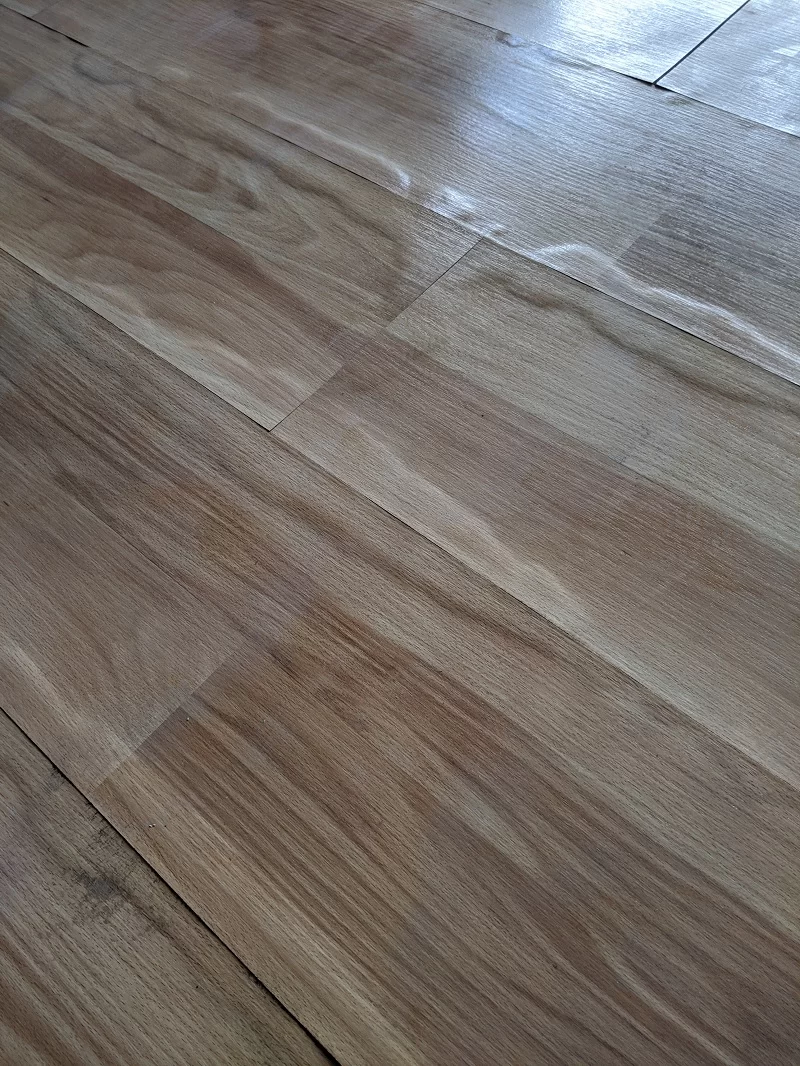
Laminate and tile flooring can trap water beneath the surface.
In slab homes common in Palm Bay and West Melbourne, moisture from plumbing leaks or minor flooding may remain undetected.
Attics
Poor ventilation combined with humidity can cause condensation on roof decking.
Attic mold often spreads quietly because homeowners rarely inspect these spaces.
Around Windows
Wind-driven rain during storms can push moisture behind window frames.
Over time, drywall around windows becomes damp.
HVAC Systems
Air handlers located in garages or closets may leak slowly if condensate drain lines clog.
Moisture inside ductwork can support hidden growth.
Subtle Signs of Hidden Mold
Hidden mold rarely announces itself dramatically.
Homeowners may notice:
- Persistent musty odors
- Increased indoor humidity
- Allergy-like symptoms indoors
- Slight ceiling discoloration
- Warped baseboards
- Flooring that feels uneven
In Merritt Island and Titusville homes, we often see musty odors strongest near exterior walls or vents.
If an odor persists without visible cause, moisture may be hidden behind surfaces.
Why Hidden Mold Spreads in Florida’s Climate
Warm temperatures accelerate mold growth.
In Brevard County, humidity remains elevated even when it isn’t raining.
Moisture trapped inside wall cavities or attic insulation doesn’t evaporate quickly.
In West Melbourne homes, repeated condensation cycles — warm afternoons followed by humid evenings — create ongoing dampness.
Without intervention, growth spreads along framing, insulation, and subflooring.
Humidity feeds it quietly.
Why DIY Detection Often Misses the Problem
Hidden mold requires specialized tools to detect accurately.
DIY approaches usually involve:
- Visual checks
- Smell tests
- Surface cleaning
But without moisture meters or infrared imaging, it’s difficult to locate damp areas inside walls or under flooring.
We’ve inspected Rockledge and Cocoa homes where homeowners repainted stained ceilings multiple times without realizing attic insulation remained wet above.
Surface treatment without moisture mapping rarely solves hidden problems.
What a Professional Hidden Mold Inspection Includes
When hidden mold is suspected in West Melbourne, inspection focuses on identifying moisture patterns.
A proper evaluation typically includes:
Visual Assessment
Inspecting ceilings, walls, baseboards, attic spaces, plumbing areas, and HVAC systems.
Moisture Detection
Using moisture meters to measure dampness behind drywall and under flooring.
Infrared Imaging
Identifying temperature differences that suggest trapped moisture.
Humidity Measurement
Evaluating whether indoor environmental conditions are contributing.
Attic and Crawl Space Inspection
Checking ventilation, insulation, and structural framing.
Brevard Mold Inspections & Removal approaches inspections methodically, focusing on confirming moisture before recommending remediation.
Clarity prevents unnecessary demolition.
How Hidden Mold Is Properly Addressed
If hidden mold is confirmed, remediation follows a structured approach.
Step 1: Correct the Moisture Source
Roof repairs, plumbing fixes, drainage adjustments, or HVAC servicing must occur first.
Step 2: Containment
Affected areas are isolated to prevent cross-contamination.
Step 3: Removal of Contaminated Materials
Porous materials like drywall or insulation may require removal if contamination is extensive.
Step 4: Cleaning and HEPA Filtration
Air scrubbers reduce airborne particles.
Step 5: Thorough Drying
Dehumidification ensures moisture levels return to safe ranges before repairs begin.
In Florida’s humid environment, drying is critical.
Without it, mold may return.
Preventing Hidden Mold in West Melbourne Homes
Prevention centers on moisture awareness.
Homeowners can:
- Keep indoor humidity below 55%
- Service HVAC systems annually
- Flush AC drain lines regularly
- Inspect attics after storms
- Monitor baseboards and ceilings
- Seal window frames
- Ensure proper exterior drainage
After hurricanes affecting Cocoa Beach or Merritt Island, inspecting attic spaces within 48 hours is wise.
Early attention prevents hidden damage from expanding.
Why Local Experience in Brevard County Matters
Hidden mold behaves differently in Florida than in dry states.
West Melbourne homes face:
- Prolonged summer humidity
- Hurricane wind pressure
- Slab foundation moisture
- Constant AC usage
- Warm attic environments
An inspector familiar with Brevard County understands how these factors interact.
Brevard Mold Inspections & Removal works throughout West Melbourne, Melbourne, Palm Bay, Rockledge, Merritt Island, Titusville, and surrounding communities. Local knowledge allows for accurate diagnosis and practical solutions tailored to Florida’s climate.
A Practical, Informed Approach
Hidden mold problems in West Melbourne are not uncommon — but they are manageable when caught early.
The key is identifying moisture before structural damage spreads.
If you notice persistent musty odors, unexplained humidity, or subtle staining, a professional inspection can provide clarity.
In Brevard County’s climate, moisture control remains the foundation of mold prevention.
Addressing small problems early prevents larger repairs later.