
Mold Removal in Cocoa: What Homeowners in Brevard County Should Know
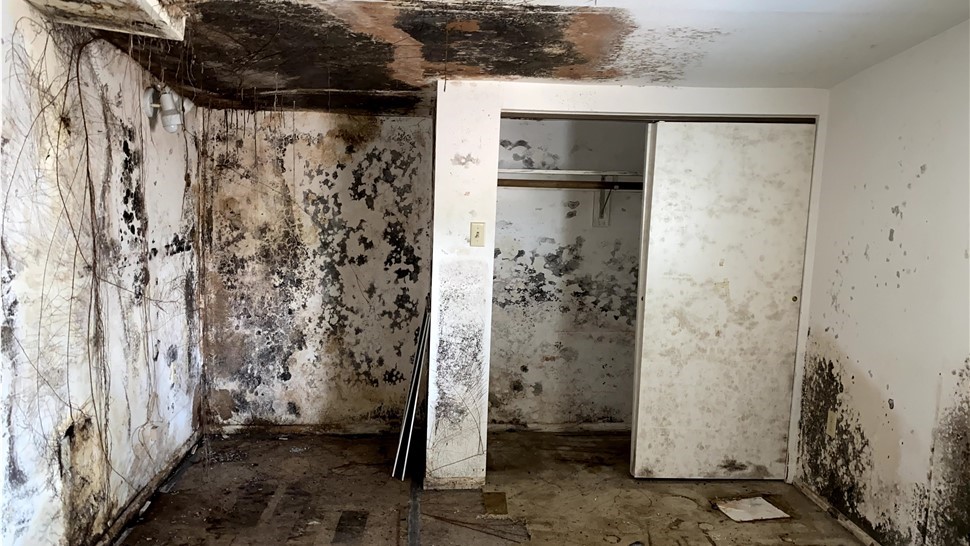
Finding mold in your Cocoa home can feel unsettling. Whether it’s a musty odor after a storm or visible staining on a ceiling, the immediate question is simple: What now?
In Brevard County, mold is rarely a surprise. Between lagoon humidity, hurricane season, summer downpours, and year-round air conditioning, moisture is part of daily life. The key isn’t eliminating humidity completely — that’s impossible in Florida. The key is controlling it and responding correctly when problems arise.
If you live in Cocoa, Rockledge, Merritt Island, Titusville, or anywhere along the Space Coast, understanding how mold removal actually works will help you make informed decisions.
Mold Removal Starts With Moisture Control
Before discussing removal, it’s important to understand one thing:
Mold is a symptom.
The real issue is moisture.
In Cocoa homes, common moisture sources include:
- Roof leaks after heavy storms
- Wind-driven rain around windows
- AC condensate drain backups
- Plumbing leaks under sinks
- Poor attic ventilation
- High indoor humidity levels
Removing visible mold without correcting the moisture source guarantees recurrence.
Proper mold removal always begins with identifying and fixing the water problem.
Where Mold Commonly Develops in Cocoa Homes
In Brevard County, certain areas consistently show mold growth.
Ceilings and Attics
After hurricanes affecting Cocoa Beach or Satellite Beach, attic insulation often becomes damp without immediate interior ceiling damage.
Air Handler Closets
AC systems run nearly year-round in Cocoa. Clogged drain lines can cause slow leaks inside closets.
Under Flooring
Slab foundations common in Cocoa and Palm Bay can trap water beneath laminate or tile.
Around Windows
Salt air and storm pressure can compromise window seals.
Under Kitchen and Bathroom Sinks
Small leaks may go unnoticed until staining or odors develop.
Each of these locations requires a different removal approach depending on severity.
Why DIY Mold Removal Can Cause Problems
It’s understandable to want to handle mold quickly.
However, common DIY mistakes include:
- Using bleach on drywall or wood
- Painting over stains
- Removing drywall without containment
- Ignoring attic inspections
- Overlooking humidity levels
Bleach does not penetrate porous materials effectively. It may lighten stains but won’t eliminate growth inside drywall.
Scrubbing mold without containment can release spores into the air and spread contamination.
In Rockledge and Melbourne homes, we’ve seen minor issues expand after incomplete DIY removal.
Professional remediation minimizes that risk.
What Professional Mold Removal in Cocoa Typically Involves
A structured approach protects both your home and indoor air quality.
Step 1: Inspection and Moisture Mapping
Moisture meters and infrared tools identify hidden dampness behind walls, under flooring, and inside ceilings.
Step 2: Correct the Water Source
Roof repairs, plumbing fixes, drainage improvements, or HVAC servicing must occur before removal begins.
Step 3: Containment
Affected areas are sealed using barriers. Negative air machines may be used to prevent cross-contamination.
Step 4: Removal of Contaminated Materials
Porous materials such as drywall or insulation may need to be removed if contamination is significant.
Step 5: Cleaning and HEPA Filtration
Remaining surfaces are cleaned appropriately. HEPA air scrubbers reduce airborne particles.
Step 6: Thorough Drying
In Brevard County’s humid environment, drying equipment ensures moisture levels return to safe ranges before rebuilding.
Skipping drying leads to recurrence.
How Long Does Mold Removal Take?
Timelines vary based on:
- Size of the affected area
- Moisture severity
- Structural involvement
- Indoor humidity levels
Small isolated areas may take only a few days.
Attic contamination after hurricanes or extended water damage may take longer due to drying requirements.
In Cocoa’s climate, patience during drying is essential.
Do You Always Need Mold Testing?
Not always.
If visible mold is present and the moisture source is obvious, remediation can proceed without lab testing.
Testing may be helpful when:
- There is a persistent odor but no visible mold
- A real estate transaction requires documentation
- The scope of contamination is unclear
- Indoor air quality concerns are raised
Air sampling compares indoor spore levels to outdoor baselines.
Brevard Mold Inspections & Removal conducts testing when it provides useful clarity — not automatically in every case.
What Happens After Mold Removal?
Once removal and drying are complete, repairs can begin.
This may involve:
- Installing new drywall
- Replacing insulation
- Repainting
- Refinishing floors
Before rebuilding, moisture readings must confirm that materials are dry.
In Titusville and Merritt Island homes, premature reconstruction often leads to repeated problems.
Verification protects your investment.
Preventing Mold in Cocoa Moving Forward
Florida humidity will always be present. Prevention focuses on control.
Homeowners in Cocoa can reduce risk by:
- Keeping indoor humidity below 55%
- Servicing HVAC systems annually
- Flushing condensate drain lines regularly
- Inspecting attics after storms
- Repairing roof damage promptly
- Sealing window frames
- Monitoring plumbing connections
After hurricanes affecting Rockledge or Satellite Beach, inspecting your attic and ceilings within 48 hours is wise.
Small problems are easier to address than widespread contamination.
Why Local Experience in Brevard County Matters
Mold removal in Florida differs from removal in dry climates.
Cocoa homes face:
- Lagoon-driven humidity
- Hurricane wind pressure
- Salt air roof deterioration
- Slab foundation moisture
- Continuous AC operation
An inspector familiar with Brevard County understands how quickly mold can develop and where hidden moisture commonly collects.
Brevard Mold Inspections & Removal works throughout Cocoa, Melbourne, Palm Bay, Rockledge, Merritt Island, Titusville, and Satellite Beach. Local experience ensures practical solutions tailored to Florida homes.
A Steady, Informed Approach
Discovering mold in your Cocoa home doesn’t automatically mean major structural damage.
Most mold issues in Brevard County are manageable when handled correctly.
The priority is identifying moisture, containing contamination, and ensuring complete drying before repairs.
If you’ve noticed musty odors, visible staining, or water damage, a professional inspection can provide clarity and direction.
In Florida’s climate, mold removal isn’t about fear — it’s about steady moisture control and informed action.