
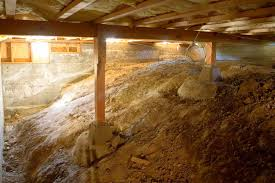
Mold in Crawl Spaces in Melbourne: What Homeowners in Brevard County Should Know
When most homeowners in Melbourne think about mold, they picture bathroom ceilings or attic spaces.
Crawl spaces rarely come to mind.
But in Brevard County — especially in older sections of Melbourne and some homes in Eau Gallie, West Melbourne, and parts of Merritt Island — crawl spaces can quietly become one of the most vulnerable areas for moisture buildup and mold growth.
Because these spaces are out of sight, problems can develop for months before anyone notices.
If your home has a crawl space foundation, understanding how mold behaves underneath your house is essential to protecting the structure above it.
Why Crawl Spaces in Melbourne Are Vulnerable
Florida’s climate is already humid. Now imagine trapping that humidity under your home with limited airflow.
Crawl spaces in Brevard County face several environmental pressures:
- High year-round humidity
- Heavy summer rainfall
- Poor drainage around foundations
- Warm soil temperatures
- Occasional hurricane-driven water intrusion
Even if your home never floods, moisture can accumulate underneath it through ground vapor, condensation, or minor plumbing leaks.
Unlike slab homes common in Palm Bay and Rockledge, crawl space homes have an open cavity beneath the floor system. That cavity can trap damp air if ventilation is inadequate.
How Moisture Gets Into Crawl Spaces
In Melbourne homes with crawl space foundations, moisture typically enters through one or more of these pathways:
Ground Moisture
Florida soil retains water after storms. Without a proper vapor barrier, moisture evaporates upward into the crawl space.
Poor Drainage
If landscaping slopes toward the home instead of away from it, rainwater can collect around the foundation.
Vent Openings
Older building practices often relied on vented crawl spaces. In humid climates like Brevard County, open vents can actually allow moist air inside rather than dry it out.
Plumbing Leaks
Small leaks in supply lines or drain pipes can go unnoticed for long periods under a home.
Hurricane or Storm Surge
In coastal areas like Satellite Beach or Cocoa Beach, storm conditions can temporarily saturate soil and increase crawl space humidity inland in Melbourne as well.
Moisture rarely announces itself dramatically. It builds gradually.
Signs of Crawl Space Mold Problems
Because crawl spaces are rarely inspected by homeowners, symptoms often appear inside the home first.
Common signs include:
- Musty odors that seem stronger near floors
- Warped hardwood flooring
- Soft or sagging subfloor areas
- Increased indoor humidity
- Allergy-like symptoms indoors
- Dark staining visible on exposed beams
In some Melbourne homes, HVAC ductwork runs through the crawl space. If mold develops underneath, spores can circulate into living areas.
If you notice persistent musty smells that don’t originate in bathrooms or attics, the crawl space may be worth evaluating.
Why Crawl Space Mold Spreads Quickly in Florida
Warm temperatures accelerate mold growth.
In Brevard County, crawl spaces rarely get cold enough to slow it down.
When moisture levels rise above safe thresholds, wood framing, subfloor materials, and insulation provide organic surfaces for mold to grow.
Once growth begins, it can spread along beams and floor joists, especially if humidity remains elevated.
In Titusville and Merritt Island homes with similar foundations, we’ve seen mold extend across large sections of framing simply because vapor barriers were missing or damaged.
Humidity control is everything.
The Ventilation Myth
Many homeowners assume open vents dry out crawl spaces.
In dry climates, that may help. In Florida, open vents often make things worse.
When humid outdoor air enters a cooler crawl space, condensation can form on wood surfaces.
That condensation feeds mold growth.
Modern moisture control strategies in humid climates focus on:
- Sealing vents
- Installing vapor barriers
- Controlling humidity levels
Simply increasing airflow does not always solve the problem in Brevard County.
What a Crawl Space Mold Inspection Involves
Inspecting a crawl space requires more than a quick flashlight look.
A proper inspection in Melbourne typically includes:
Visual Examination
Inspecting:
- Floor joists
- Subflooring
- Insulation
- Plumbing lines
- Vapor barrier condition
Moisture Measurement
Moisture meters determine whether wood framing is retaining excess moisture.
Humidity Assessment
Relative humidity levels are measured to evaluate overall conditions.
Drainage Evaluation
Exterior grading and foundation drainage patterns are examined.
Ductwork Inspection
If HVAC ducts run through the crawl space, insulation and condensation issues are assessed.
Brevard Mold Inspections & Removal conducts crawl space inspections carefully and methodically, focusing on identifying the true moisture source rather than just visible staining.
Proper Crawl Space Mold Remediation
If mold is present, remediation focuses first on stopping moisture.
Typical steps include:
- Correcting drainage issues
- Repairing plumbing leaks
- Installing or repairing vapor barriers
- Sealing crawl space vents if appropriate
- Cleaning contaminated framing
- Removing heavily affected insulation
Drying equipment may be used to bring moisture levels back to safe ranges.
In some cases, encapsulation systems are recommended to stabilize humidity long-term.
Without moisture correction, mold will return.
Preventing Crawl Space Mold in Melbourne Homes
Prevention starts with regular inspection.
Here are practical steps homeowners can take:
- Inspect crawl spaces annually
- Check vapor barrier condition
- Ensure landscaping slopes away from the foundation
- Monitor for plumbing leaks
- Keep gutters clean
- Address standing water near the home
- Consider humidity monitoring
After major storms affecting Rockledge, Viera, or Cocoa, checking crawl space conditions within a few days is wise.
Even if no flooding occurred, soil saturation can raise humidity underneath your home.
Why Local Experience in Brevard County Matters
Crawl space moisture behaves differently in Florida than in dry states.
Melbourne homes face:
- Lagoon-influenced humidity
- Frequent heavy rainfall
- Hurricane-driven water pressure
- Warm soil year-round
- High water tables in some neighborhoods
An inspector familiar with Brevard County understands how these local conditions affect crawl space foundations.
Brevard Mold Inspections & Removal works with homeowners across Melbourne, Palm Bay, Rockledge, Merritt Island, Titusville, and Satellite Beach. Local knowledge allows for accurate diagnosis and realistic moisture control recommendations.
A Calm, Practical Approach
Crawl space mold may sound serious — and sometimes it is — but most cases in Brevard County are manageable when addressed early.
The key is identifying moisture sources before structural damage spreads.
If you notice musty odors, sagging floors, or elevated humidity in your Melbourne home, a crawl space inspection can provide clarity.
In Florida’s climate, moisture control beneath your home is just as important as what happens inside it.
Staying proactive protects both your structure and your indoor environment.