
Mold and Insurance Claims in Cocoa: What Homeowners in Brevard County Should Know
If you own a home in Cocoa, you already know how quickly Florida weather can change things. One strong storm system, a slow roof leak, or an AC issue during peak summer humidity can create moisture problems that turn into mold.
What many homeowners don’t realize is that mold and insurance claims can become complicated — especially in Brevard County, where humidity and storm activity are common.
Understanding how mold situations connect to insurance coverage can help you avoid confusion, delays, and unexpected expenses.
Let’s walk through what homeowners in Cocoa, Rockledge, Merritt Island, Titusville, and surrounding areas should know.
The First Thing to Understand: Mold Is Usually a Result, Not a Cause
Insurance companies typically look at what caused the mold — not the mold itself.
Mold develops because of moisture. That moisture might come from:
- A sudden plumbing leak
- A roof leak after a storm
- Hurricane-driven rain intrusion
- An overflowing appliance
- AC system failure
In Cocoa homes, especially older properties near the river, we often see mold that began with a small water intrusion that wasn’t noticed immediately.
Insurance coverage often depends on whether the original water event is considered “sudden and accidental” versus long-term or maintenance-related.
Sudden Water Damage vs. Ongoing Moisture
This distinction is important.
Sudden and Accidental Events
Examples may include:
- A pipe that bursts unexpectedly
- A washing machine hose that fails
- Storm damage that creates immediate roof penetration
In many cases, insurance policies are more likely to consider coverage for resulting damage from sudden events.
Ongoing or Maintenance-Related Issues
Examples include:
- Slow roof leaks over months
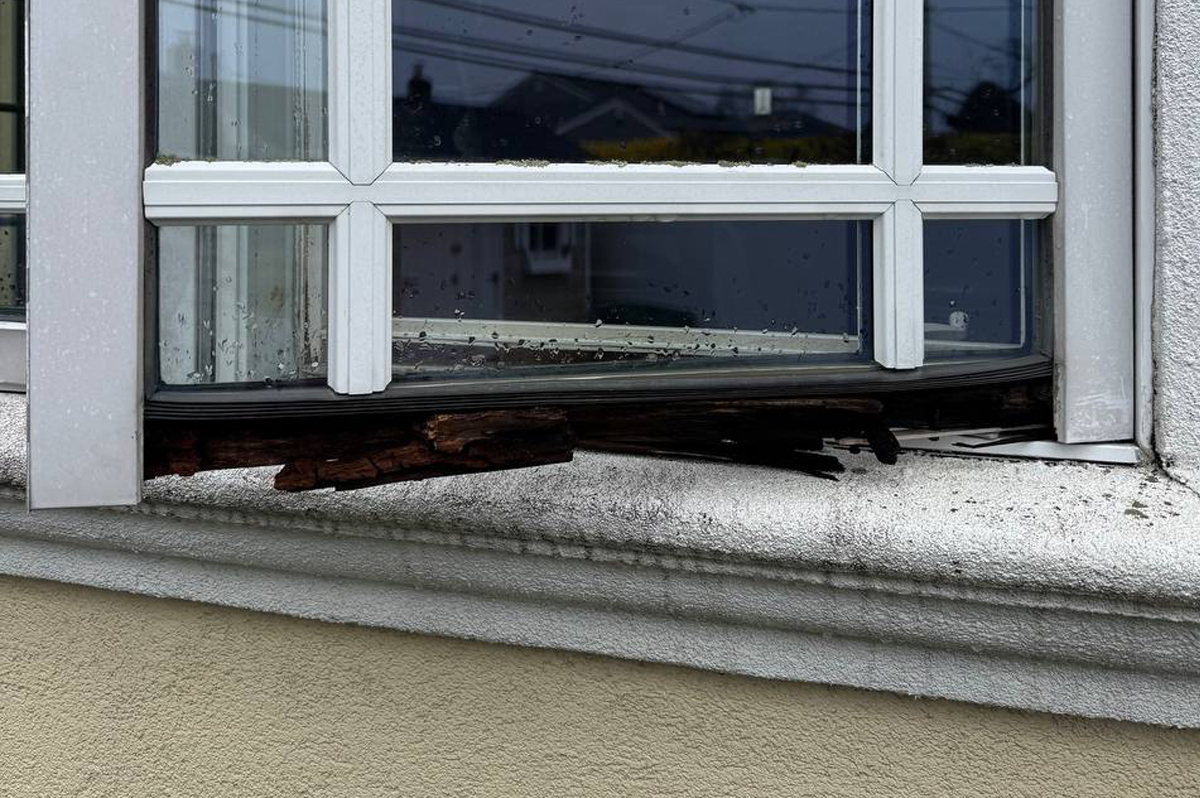
- Chronic window seal failure
- Long-term humidity imbalance
- Poor attic ventilation
Insurance policies often limit or exclude damage from gradual or preventable conditions.
In Brevard County, where high humidity is common, insurers sometimes scrutinize whether mold was caused by an identifiable event or long-term exposure.
This is why early documentation matters.
Why Cocoa Homes Can Face Unique Challenges
Cocoa sits inland but remains heavily influenced by lagoon moisture and hurricane activity.
Homes in Cocoa often deal with:
- High ambient humidity
- Wind-driven rain during storms
- Aging roofing materials
- Slab foundation moisture
- AC systems running year-round
After hurricanes affecting Rockledge, Merritt Island, or Satellite Beach, we frequently inspect Cocoa homes that appear structurally sound but have hidden attic moisture or minor water intrusion around windows.
If mold develops weeks later, homeowners may not immediately connect it to the storm event.
Timing can influence claim discussions.
What To Do Immediately After Discovering Mold
If you notice mold following a storm, leak, or water event, avoid rushing into demolition.
Instead:
- Document everything.
- Take clear photos of visible damage.
- Note when you first observed the issue.
- Inspect for obvious moisture sources.
A professional mold inspection can provide objective findings that clarify:
- The likely source of moisture
- The extent of damage
- Whether growth appears recent or long-standing
Brevard Mold Inspections & Removal provides detailed assessments that many homeowners find helpful when understanding what occurred.
Clarity helps you make informed decisions.
The Role of a Mold Inspection in Insurance Situations
A proper inspection can help establish:
- Whether water intrusion is active
- If mold appears widespread or localized
- Whether structural materials are wet
- If attic or HVAC systems are involved
Moisture mapping tools, infrared imaging, and humidity measurements provide factual data.
In Cocoa Beach and Cape Canaveral, we’ve seen cases where attic moisture after hurricanes was not visible from inside the home. Without inspection, homeowners may have missed documenting storm-related intrusion.
An inspection doesn’t guarantee coverage — but it provides documentation that supports informed discussions.
Common Insurance Questions Homeowners Ask
“Does Homeowners Insurance Cover Mold?”
It depends on your specific policy and what caused the mold.
Many policies provide limited mold coverage when tied to a covered water loss. Coverage limits may vary.
“What If Mold Appears Weeks After a Storm?”
Delayed discovery can complicate claims. However, if there’s evidence linking mold to storm damage, documentation may still be relevant.
“Should I Clean It Before Filing a Claim?”
Avoid major cleanup before documenting the damage. Removing materials without documentation can make it harder to show the scope of the problem.
“Is Mold Always Covered After Hurricanes?”
Not automatically. Policies differ. The cause and timeline often matter.
Because insurance language varies widely, homeowners should review their policy carefully and consult their insurance provider for specific coverage questions.
Why Ignoring Mold Can Create Bigger Problems
Even if coverage questions are uncertain, ignoring mold is not advisable.
In Brevard County’s humid climate, mold can spread if moisture remains.
We’ve inspected homes in Titusville and Viera where small ceiling stains were ignored for months, allowing attic moisture to expand into insulation and framing.
Addressing moisture quickly limits both structural damage and potential claim complexity.
Early action protects your home regardless of insurance outcomes.
What Proper Mold Remediation Looks Like
If mold remediation is necessary, the focus remains on moisture control.
Professional remediation typically includes:
- Identifying and correcting the water source
- Containment of affected areas
- Safe removal of contaminated materials
- HEPA filtration
- Thorough structural drying
In Cocoa’s climate, drying is essential before rebuilding.
Without full moisture correction, mold can return — even if surfaces appear clean.
Preventing Mold-Related Claim Issues in the Future
The best way to reduce insurance complications is prevention.
In Cocoa and throughout Brevard County, practical steps include:
- Inspecting your roof annually
- Cleaning gutters before storm season
- Sealing window frames
- Maintaining AC systems
- Monitoring attic ventilation
- Checking ceilings after heavy rain
- Keeping indoor humidity below 55%
After hurricanes affecting Rockledge, Satellite Beach, or Merritt Island, perform a full interior and attic check within a few days.
Documenting early findings can be valuable later.
Why Local Knowledge Matters in Cocoa
Florida mold issues are different from those in dry climates.
Homes in Cocoa face:
- Lagoon-influenced humidity
- Hurricane-force rain
- Salt-air exposure
- Slab foundation moisture
- Constant AC operation
An inspector familiar with Brevard County understands these patterns and can distinguish between storm-related moisture and long-term conditions.
Brevard Mold Inspections & Removal works throughout Cocoa, Rockledge, Merritt Island, Viera, Titusville, and Melbourne. Local experience allows for accurate assessments tailored to Florida construction and weather patterns.
A Practical, Steady Approach
Mold and insurance claims can feel overwhelming, especially after a storm.
The key is staying calm and gathering accurate information.
Not every mold issue becomes a major claim. Not every claim becomes complicated.
If you discover mold in your Cocoa home, the first step is understanding the source and scope. From there, you can review your insurance policy and determine appropriate next steps.
In Brevard County’s climate, early inspection and moisture control protect both your property and your peace of mind.