
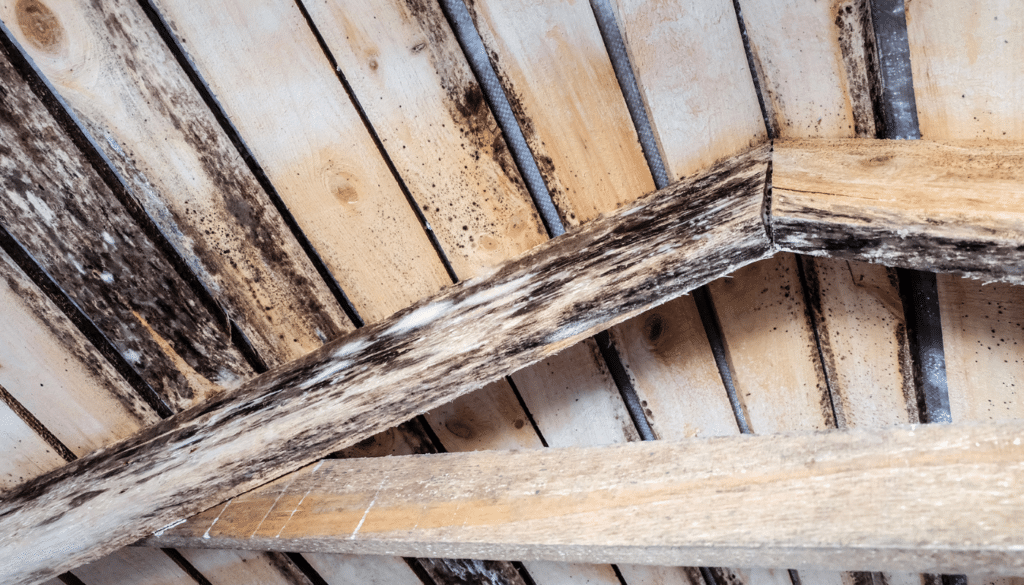
DIY Mold Risks in Cocoa Beach: What Homeowners in Brevard County Should Know
Living in Cocoa Beach has its advantages. Ocean breezes, coastal views, and that relaxed beach-town feel. But along with salt air and humidity comes something less enjoyable — moisture problems that can quickly turn into mold issues.
When homeowners discover mold, the first instinct is often to handle it themselves. A spray bottle, some bleach, maybe a quick scrub and repaint.
In Brevard County’s climate, that approach can create bigger problems than it solves.
Before you tackle mold on your own, here’s what homeowners in Cocoa Beach, Satellite Beach, Merritt Island, Rockledge, and surrounding areas should understand about the risks of DIY mold removal.
Why Mold Is So Common in Cocoa Beach
Cocoa Beach homes deal with constant environmental moisture.
Unlike inland cities like Titusville or Palm Bay, coastal homes face:
- Higher salt-air humidity
- Wind-driven rain during storms
- Elevated groundwater levels
- Constant AC use to combat heat
Even homes that appear dry can have elevated indoor humidity levels above 60%, which is enough to support mold growth.
The issue usually isn’t dramatic flooding. It’s slow, ongoing moisture.
And that’s what makes DIY removal risky.
The Biggest Misconception: “It’s Just a Small Spot”
One of the most common things homeowners say is, “It’s just a little patch in the corner.”
What you see on the surface often represents a larger issue beneath.
For example:
- A dark spot on drywall could be fed by a leaking window frame.
- Ceiling discoloration might indicate attic moisture after a storm.
- Mold near an AC vent could mean condensation inside ductwork.
In Cocoa Beach’s humid environment, visible growth is often the symptom — not the source.
Cleaning the surface doesn’t solve the moisture problem behind it.
Why Bleach Is Not a Real Solution
Bleach is the go-to DIY tool.
The problem? Bleach primarily affects surface discoloration. It does not penetrate porous materials like drywall, wood framing, or insulation.
In fact:
- The water content in bleach can add additional moisture.
- It may lighten staining temporarily without killing embedded growth.
- It does nothing to correct humidity imbalance.
In Rockledge and Melbourne homes, we frequently see areas that were bleached multiple times — only to return weeks later because moisture was never addressed.
Bleach can create a false sense of resolution.
Disturbing Mold Without Containment
Another major DIY risk is spreading spores.
When mold is scrubbed or sanded without proper containment:
- Spores become airborne.
- They can travel into other rooms.
- HVAC systems may circulate them.
In slab homes throughout Merritt Island and Viera, we’ve seen small bathroom mold problems spread into adjacent rooms after aggressive DIY cleaning.
Professionals use containment barriers and filtration systems to prevent cross-contamination. Without those precautions, mold can relocate rather than disappear.
Hidden Moisture Gets Missed
DIY cleaning usually focuses on visible areas.
What’s often missed:
- Elevated moisture behind drywall
- Damp insulation in attic spaces
- Condensation inside ductwork
- Leaks around window frames
- Moisture under laminate flooring
Cocoa Beach homes are especially vulnerable to wind-driven rain around sliding glass doors and ocean-facing windows.
Without moisture detection tools, it’s difficult to identify the true source.
Surface treatment without moisture correction almost guarantees recurrence.
Health Concerns and Improper Protection
Many homeowners underestimate the importance of protective equipment.
DIY mold removal without:
- Respiratory protection
- Gloves
- Eye protection
- Proper ventilation
can increase exposure to airborne particles.
While not every mold situation is severe, disturbing growth unnecessarily can worsen indoor air quality temporarily.
Professional remediation teams use protective gear and filtration systems designed to limit exposure and prevent spread.
When DIY Efforts Make Insurance Claims Harder
After hurricanes or heavy storms in Cocoa Beach, homeowners sometimes attempt cleanup before documentation.
If moisture damage is present, premature demolition or cleaning can complicate insurance assessments.
In Brevard County, it’s often wise to document damage thoroughly before making structural changes.
Professional inspections provide written findings that can clarify what occurred and what needs repair.
Common DIY Mistakes We See in Cocoa Beach
Over the years, certain patterns show up repeatedly:
- Painting over mold-stained ceilings
- Removing drywall without identifying leak sources
- Ignoring attic inspection after storms
- Turning off AC during humid summer vacations
- Using fans alone without dehumidification
In Satellite Beach and Cape Canaveral homes, we’ve also seen ocean-facing walls cleaned repeatedly while moisture from exterior penetration continued unnoticed.
DIY efforts can unintentionally prolong the problem.
What a Professional Mold Inspection Actually Provides
A proper mold inspection focuses on facts.
It includes:
Visual Assessment
Identifying staining patterns, moisture entry points, and airflow issues.
Moisture Detection
Using moisture meters and infrared imaging to detect hidden dampness.
Humidity Evaluation
Measuring indoor humidity levels to determine environmental contributors.
Attic and HVAC Inspection
Examining roof decking, insulation, ductwork, and drain lines.
Testing (When Necessary)
Air or surface sampling may help determine whether indoor spore levels exceed outdoor baselines.
Brevard Mold Inspections & Removal approaches inspections methodically and without alarm. The focus is identifying the root cause so homeowners can make informed decisions.
When Professional Remediation Is the Safer Choice
Professional remediation is typically recommended when:
- Mold covers a large area
- Growth is inside walls or ceilings
- Moisture is ongoing
- HVAC systems are affected
- Attic contamination is present
The process usually includes:
- Containment
- Moisture correction
- Safe removal of affected materials
- HEPA filtration
- Thorough drying
In Florida’s climate, drying is just as important as removal.
Without restoring normal moisture levels, mold can return quickly.
Preventing Mold in Cocoa Beach Homes
Prevention in Brevard County requires consistent moisture control.
Practical steps include:
- Keep indoor humidity below 55%
- Service AC systems annually
- Flush condensate drain lines
- Inspect attic spaces after storms
- Seal window frames and sliding doors
- Avoid shutting AC off entirely during humid seasons
- Monitor baseboards and ceiling corners after heavy rain
In coastal areas like Cocoa Beach and Satellite Beach, even small sealing gaps can allow moisture intrusion during wind-driven rain.
Routine checks matter.
Why Local Knowledge Makes a Difference
Cocoa Beach mold behaves differently than mold in dry climates.
Local factors include:
- Ocean air exposure
- Salt corrosion around windows
- Slab foundations
- Hurricane-force rain
- Year-round AC operation
An inspector familiar with Brevard County understands these conditions.
Brevard Mold Inspections & Removal works throughout Cocoa Beach, Merritt Island, Rockledge, Viera, Titusville, and surrounding communities. Local climate experience leads to more accurate assessments and practical solutions.
A Balanced Perspective
Not every mold spot requires major remediation.
But not every mold problem can be safely handled with household cleaners either.
The key is understanding the difference.
If you’re unsure whether a mold issue in your Cocoa Beach home is surface-level or part of a larger moisture problem, a professional inspection can provide clarity.
In Brevard County’s humid climate, addressing moisture correctly the first time protects both your home and your peace of mind.