
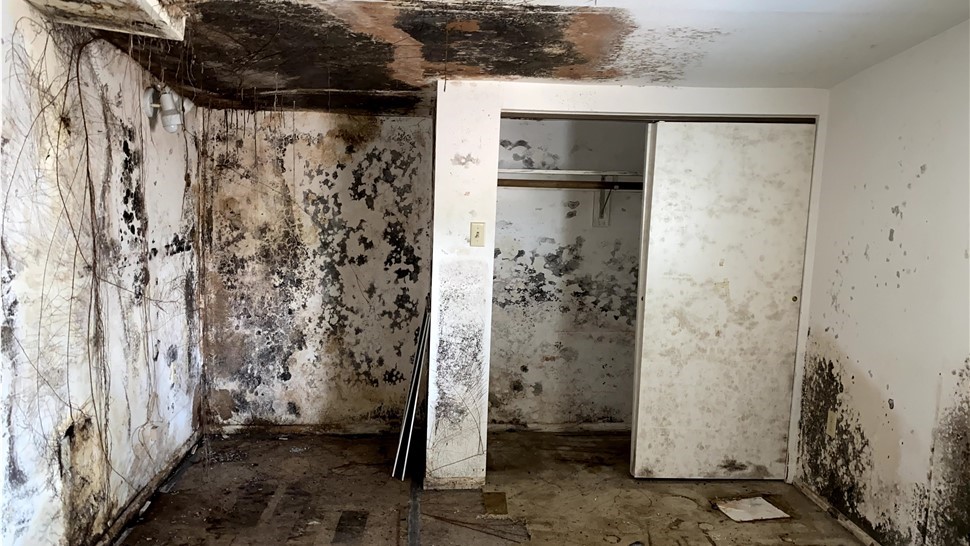
Mold FAQs in Merritt Island: What Homeowners in Brevard County Should Know
If you live in Merritt Island, mold is probably something you’ve heard neighbors talk about — especially after heavy rains, hurricanes, or long stretches of summer humidity.
Because Merritt Island sits between the Indian River Lagoon and the Banana River, moisture is simply part of daily life here. Add Florida heat and year-round air conditioning, and mold questions tend to come up quickly.
Homeowners in Merritt Island, Cocoa Beach, Rockledge, Satellite Beach, and across Brevard County often ask the same practical questions:
Is this serious?
Do I need testing?
Can I clean it myself?
How do I keep it from coming back?
Let’s walk through the most common mold FAQs and what homeowners should realistically know.
What Causes Mold in Merritt Island Homes?
Mold growth requires moisture, organic material, and warmth. In Brevard County, warmth is constant. Organic material — drywall, wood, insulation — exists in every home.
That leaves moisture.
Common moisture sources in Merritt Island include:
- High humidity from lagoon air
- Heavy summer rainfall
- Hurricane-driven rain intrusion
- AC condensation leaks
- Roof flashing gaps
- Plumbing leaks
- Poor attic ventilation
Even homes that never flood can develop mold if humidity stays elevated indoors for long periods.
Is Mold Always Visible?
No. And that’s one of the biggest misconceptions.
Mold often grows in hidden areas such as:
- Behind drywall
- Under laminate flooring
- Inside attics
- Around window frames
- Inside HVAC ducts
In Merritt Island slab homes, moisture can wick upward from the foundation and feed growth behind baseboards.
By the time you see staining, moisture has usually been present for some time.
What Does Mold Smell Like?
Homeowners frequently describe mold as:
- Musty
- Earthy
- Damp
- Similar to wet cardboard
If you walk into a room and notice a persistent odor that doesn’t go away, especially after rain, it’s worth investigating.
In coastal communities like Cocoa Beach and Cape Canaveral, humidity alone can cause temporary odors — but if the smell lingers, moisture may be trapped somewhere.
Is All Mold Dangerous?
Not all mold is the same, and not all mold situations are severe.
Mold types vary, but the primary concern in any Brevard County home is controlling moisture and preventing structural damage.
Rather than focusing on specific names or labels, a professional inspection looks at:
- How much growth is present
- Whether it’s active
- What moisture source is feeding it
- How widespread it is
Calm evaluation matters more than assumptions.
Do I Need Mold Testing?
Testing isn’t always required.
In some cases, visible mold and an obvious moisture source make testing unnecessary. Removal and moisture correction may be straightforward.
Testing is often recommended when:
- There’s a strong odor but no visible mold
- A real estate transaction requires documentation
- There are concerns about indoor air quality
- The extent of contamination is unclear
Air samples compare indoor spore levels to outdoor baselines.
Brevard Mold Inspections & Removal performs testing when it adds clarity — not automatically in every situation.
Can I Clean Mold Myself?
It depends on the size and source.
Small surface mold in a bathroom caused by temporary humidity can sometimes be cleaned if the moisture source is corrected.
However, problems arise when:
- Mold is inside walls
- Growth covers large areas
- Moisture is ongoing
- Porous materials are affected
Bleach does not penetrate drywall or wood effectively. Painting over mold does not eliminate it.
In Rockledge and Melbourne homes, we often see situations where surface cleaning masked a larger moisture problem behind the wall.
If you’re unsure, it’s better to have it evaluated before attempting removal.
How Fast Does Mold Grow in Florida?
In Brevard County’s climate, mold can begin growing within 24 to 48 hours after moisture intrusion.
Hurricane season accelerates this timeline because:
- Rain is wind-driven
- Power outages stop AC systems
- Indoor humidity rises quickly
Even a slow plumbing drip can feed hidden growth over time.
That’s why early detection matters.
Where Should I Check After Heavy Rain?
After storms in Merritt Island, Titusville, or Palm Bay, inspect:
- Ceilings for new stains
- Attics for damp insulation
- Around window frames
- Baseboards near exterior walls
- AC drain lines
- Garage ceilings if air handlers are located there
Small checks within 48 hours can prevent larger repairs later.
What Happens During a Professional Mold Inspection?
A thorough inspection includes more than just looking for visible spots.
It typically involves:
Visual Examination
Inspecting ceilings, walls, attic spaces, HVAC systems, and exterior entry points.
Moisture Detection
Moisture meters identify elevated levels behind drywall or under flooring.
Infrared tools may reveal hidden damp areas.
Humidity Measurement
Indoor humidity is evaluated to determine if environmental conditions are contributing to growth.
Sampling (If Needed)
Air or surface samples may be collected for laboratory analysis.
The goal is identifying moisture patterns and determining whether mold is active and spreading.
What Does Mold Remediation Involve?
If mold is confirmed, remediation focuses on both removal and prevention.
Steps typically include:
- Correcting the moisture source
- Containing affected areas
- Removing contaminated materials if necessary
- Cleaning remaining surfaces appropriately
- Drying the structure thoroughly
In Merritt Island’s humid environment, drying is critical before rebuilding or repainting.
Without moisture control, mold can return.
How Can I Prevent Mold in Merritt Island?
Prevention is practical and manageable with consistency.
Here are effective strategies:
- Keep indoor humidity below 55%
- Service your AC system annually
- Flush condensate drain lines regularly
- Use bathroom exhaust fans
- Ensure attic vents are clear
- Seal window frames and door gaps
- Inspect your attic after major storms
Homes near water, including Merritt Island and Satellite Beach, may benefit from whole-home dehumidifiers if humidity levels remain elevated.
Prevention is about balance — not drastic measures.
Does Living Near Water Increase Mold Risk?
Yes, proximity to water increases ambient humidity levels.
Homes near the Banana River or Indian River Lagoon often experience higher moisture exposure.
That doesn’t mean mold is inevitable — it just means moisture management is especially important.
Regular inspections and proper ventilation make a difference.
Why Local Experience in Brevard County Matters
Florida mold behaves differently than mold in dry climates.
Homes in Merritt Island face:
- Lagoon humidity
- Hurricane wind pressure
- Slab foundation moisture
- Year-round AC usage
An inspector familiar with Brevard County understands how these factors interact.
Brevard Mold Inspections & Removal works throughout Merritt Island, Cocoa, Rockledge, Viera, Titusville, Melbourne, and surrounding communities. Local experience helps identify realistic solutions tailored to Florida homes.
A Calm, Practical Perspective
Mold questions are normal for Merritt Island homeowners.
The key is not reacting with fear — but responding with information.
Most mold issues in Brevard County homes are manageable when moisture is identified early and corrected properly.
If you notice persistent odors, staining, or humidity concerns, a professional inspection provides clarity and direction.
Staying informed and proactive is the best way to protect your home in Florida’s climate.