
Hidden Mold Problems in Viera: What Homeowners in Brevard County Should Know
Viera is known for well-kept neighborhoods, newer construction, and thoughtfully designed homes. But even in newer communities, hidden mold problems can develop quietly — especially in Brevard County’s humid, storm-prone climate.
Many homeowners assume mold only affects older homes in areas like Cocoa or Titusville. The reality is different. In Viera, Palm Bay, Satellite Beach, and throughout Brevard County, mold growth often starts in places you can’t see.
By the time visible staining appears, moisture has usually been present for a while.
If you own a home in Viera, understanding where hidden mold forms — and why — can help you prevent long-term damage.
What “Hidden Mold” Really Means
Hidden mold isn’t dramatic or obvious. It doesn’t always show up as black patches on walls.
Instead, it develops in concealed areas where moisture lingers:
- Behind drywall
- Inside wall cavities
- Under flooring
- In attic insulation
- Around HVAC systems
Florida homes are built tightly for energy efficiency. That’s great for cooling costs. But it also means moisture can get trapped if ventilation or drainage isn’t working correctly.
In Viera’s slab-built homes, moisture problems often start small and spread slowly behind finished surfaces.
Why Viera Homes Are Still at Risk
Viera may be newer than older areas like Melbourne or Rockledge, but the climate is the same.
Constant Humidity
Brevard County’s humidity regularly stays above 70% outdoors. When indoor humidity creeps above 55–60%, mold growth becomes much more likely.
Even in well-sealed Viera homes, small humidity imbalances can build up.
Heavy Summer Rains
Florida’s rainy season brings sudden, intense downpours. Wind-driven rain can seep around windows, roof flashing, or stucco cracks.
Many homeowners never notice minor intrusions until moisture has already migrated into insulation or framing.
Hurricane Pressure
Storm winds in Cape Canaveral, Satellite Beach, and Viera can force water into roof structures without obvious ceiling leaks. Attics often hold moisture longer than expected.
Air Conditioning Strain
AC systems in Viera run nearly year-round. Condensate drain lines can clog. Air handlers located in garages or closets sometimes leak slowly.
A small drip over time can feed hidden mold growth inside surrounding drywall.
The Most Common Hidden Mold Locations in Viera
Hidden mold follows moisture. In Brevard County homes, certain areas are more vulnerable.
Behind Bathroom and Kitchen Walls
Shower plumbing lines, sink drains, and dishwasher connections can leak slowly without obvious surface damage.
By the time paint bubbles, mold may already be established inside the wall cavity.
Under Flooring
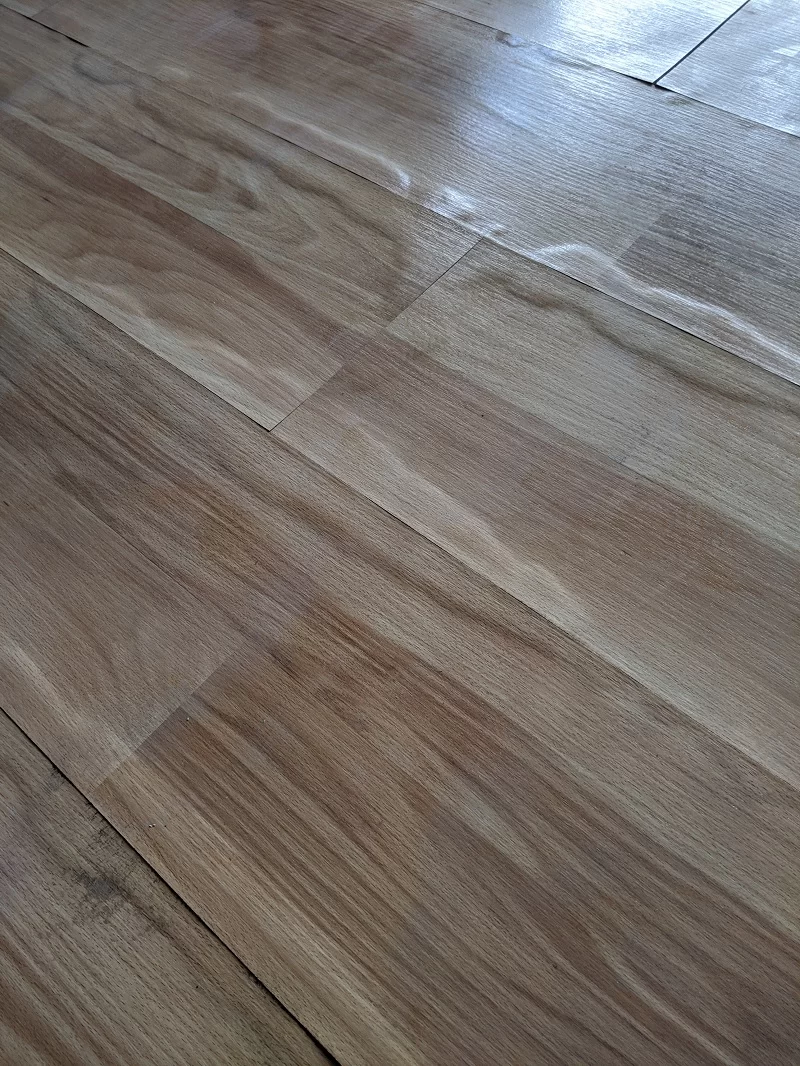
Luxury vinyl plank and laminate flooring are popular in Viera homes. If water intrudes during a storm or from an appliance leak, moisture can remain trapped underneath.
Because the surface appears intact, homeowners often don’t realize anything is wrong.
Inside Attics
Attic mold is common throughout Brevard County.
In Viera homes, we often see:
- Poor soffit ventilation
- Blocked attic vents
- Condensation forming on roof decking
Heat combined with trapped moisture creates ideal growth conditions.
Around Windows and Exterior Doors
Wind-driven rain in areas like Cocoa Beach and Viera can seep behind window frames. Over time, damp drywall around windows becomes a hidden problem.
HVAC Ductwork
Ducts running through attics may sweat due to temperature differences. If insulation is inadequate, condensation can drip into surrounding materials.
Subtle Signs You Might Notice
Hidden mold rarely announces itself loudly.
Homeowners in Viera often report:
- A faint musty odor that lingers
- Increased indoor humidity
- Allergy-like symptoms indoors
- Slight discoloration near vents
- Warped baseboards after storms
Sometimes the only clue is a persistent smell that worsens when the AC runs.
In slab homes across Palm Bay and Merritt Island, moisture can wick upward into walls, causing subtle baseboard staining that seems minor at first.
Small signs matter.
Why Newer Homes Aren’t Immune
There’s a common assumption that mold is only an issue in older homes.
In reality, newer construction can present its own challenges:
- Tighter building envelopes trap humidity
- Rapid construction timelines may overlook minor sealing gaps
- Energy-efficient designs reduce natural airflow
- Modern flooring materials conceal moisture underneath
Viera’s planned communities are well-built, but Florida’s climate is relentless. Without proper moisture balance, even a five-year-old home can develop hidden mold.
Why DIY Investigation Can Miss the Problem
When homeowners suspect mold, they often look for visible staining.
But hidden mold doesn’t always show itself externally.
Common DIY limitations include:
- No access to moisture meters
- No infrared imaging tools
- Limited attic inspection experience
- Inability to test air quality
Surface cleaning or repainting does not remove mold inside walls.
We’ve inspected homes in Rockledge and Melbourne where visible spots were treated repeatedly, yet moisture inside framing remained untouched.
The source must be identified and corrected.
What a Professional Mold Inspection in Viera Includes
A thorough mold inspection focuses on moisture detection, not just visible growth.
Here’s what that typically involves:
Visual Examination
Inspectors evaluate ceilings, walls, baseboards, attic spaces, HVAC systems, and exterior entry points.
Patterns of staining often tell a story about how water is entering.
Moisture Detection Tools
Moisture meters help detect elevated levels behind drywall or under flooring.
Infrared imaging can identify temperature differences that suggest hidden dampness.
Attic Evaluation
Inspecting attic decking, insulation, and ventilation systems is critical in Brevard County homes.
Air and Surface Sampling (When Needed)
Testing may be recommended if:
- There is a strong odor but no visible mold
- A real estate transaction requires documentation
- Health concerns are raised
Samples are analyzed by a lab to determine spore levels compared to outdoor baselines.
Brevard Mold Inspections & Removal conducts inspections with a focus on clarity and practicality. The goal is to identify real problems and avoid unnecessary disruption.
How Hidden Mold Is Properly Addressed
If hidden mold is confirmed, remediation follows a structured process.
Moisture Source Correction
This may involve:
- Repairing a roof leak
- Fixing plumbing issues
- Clearing AC drain lines
- Improving attic ventilation
Without this step, removal alone won’t solve the issue.
Containment
Affected areas are isolated to prevent cross-contamination.
Safe Material Removal
Porous materials like drywall or insulation may need to be removed if contamination is extensive.
Cleaning and Drying
Surfaces are cleaned appropriately. Dehumidification ensures moisture levels return to normal.
Proper remediation restores balance rather than simply removing visible spots.
Practical Prevention for Viera Homeowners
Preventing hidden mold in Brevard County homes requires consistent moisture management.
Here are practical steps:
- Keep indoor humidity below 55%
- Service AC systems annually
- Flush condensate drain lines every few months
- Inspect attic spaces after heavy rains
- Check around windows and doors for seal integrity
- Ensure landscaping slopes away from your slab foundation
- Address small leaks immediately
After hurricane season or extended rainfall in Satellite Beach or Cape Canaveral, it’s wise to conduct a full interior check within a few days.
Early detection prevents larger issues later.
Why Local Experience in Brevard County Matters
Mold inspection in Florida requires understanding local climate and construction styles.
Homes in Viera differ from older properties in Titusville or Cocoa. Coastal homes in Satellite Beach face different moisture pressures than inland neighborhoods.
An inspector familiar with Brevard County understands:
- Slab foundation behavior during heavy rain
- Attic ventilation challenges in Florida heat
- The impact of year-round AC use
- Common roof leak patterns after storms
Brevard Mold Inspections & Removal works throughout Viera, Melbourne, Palm Bay, Merritt Island, and surrounding areas. That local experience allows for more accurate assessments and practical recommendations.
A Calm, Informed Next Step
Hidden mold problems in Viera are not uncommon — but they are manageable.
If you’ve noticed persistent musty odors, unexplained humidity, or minor water damage after storms, a professional mold inspection can provide straightforward answers.
There’s no need for alarm. Most mold issues in Brevard County homes can be addressed effectively when caught early.
Understanding how Florida’s climate interacts with your home is the first step toward protecting it long-term.
When questions arise, having experienced local professionals evaluate the situation helps you move forward with confidence and clarity.