
Mold in Bathrooms in Rockledge: What Homeowners in Brevard County Should Know
Bathrooms are one of the most common places for mold to develop in Rockledge homes, and for many homeowners, it’s an ongoing frustration. Even homes that are otherwise clean and well maintained can struggle with recurring bathroom mold. The combination of moisture, warmth, and limited ventilation creates ideal conditions for mold growth, especially in Brevard County’s humid climate.
In Rockledge and nearby areas like Viera, Cocoa, Merritt Island, and Melbourne, bathroom mold is not just a cosmetic issue. Left unaddressed, it can spread into walls, ceilings, and adjoining rooms. Understanding why bathroom mold is so common in this area, where it hides, and how to properly address it can help homeowners protect their homes and avoid repeated problems.
What Bathroom Mold Really Is
Bathroom mold develops when moisture lingers on surfaces or inside building materials long enough for mold spores to grow. Mold spores are naturally present in indoor air, so the issue is not their presence but the conditions that allow them to grow.
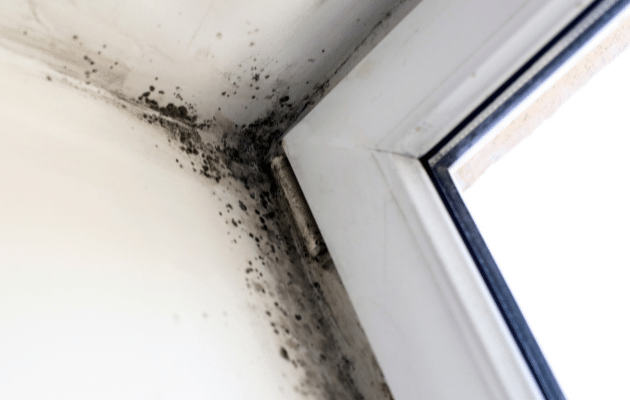
In bathrooms, mold commonly appears on ceilings, grout lines, around tubs and showers, behind toilets, under vanities, and around exhaust fans. In many Rockledge homes, mold is also found behind drywall or above ceilings where steam and moisture repeatedly collect.
While some bathroom mold is visible, a significant portion grows out of sight, especially when moisture penetrates walls or ceilings.
Why Bathroom Mold Is So Common in Rockledge and Brevard County
Brevard County’s climate plays a major role. High humidity is present most of the year, even during cooler months. This slows evaporation and makes it harder for bathrooms to fully dry out after showers.
In Rockledge homes, bathrooms are often used multiple times a day, producing repeated bursts of steam. Without proper ventilation, that moisture settles on walls, ceilings, and inside wall cavities.
Coastal moisture, frequent rain, and afternoon storms add to indoor humidity levels. Air conditioning helps, but it does not always remove moisture fast enough to keep bathrooms dry, especially in homes with undersized exhaust fans or poor airflow.
Slab foundations, common in Rockledge and Viera, can also contribute to moisture movement, increasing overall indoor humidity and making bathrooms more vulnerable to mold growth.
Common Signs Homeowners Notice
Bathroom mold often starts subtly. One of the earliest signs is a musty or damp odor that lingers even after cleaning. This smell is often strongest after showers or during humid weather.
Visible signs include dark spots on ceilings, staining around vents, discolored grout, peeling paint, or bubbling drywall. In some cases, homeowners notice paint cracking or soft drywall near showers or tubs.
Condensation that persists on mirrors, walls, or ceilings long after showers is another warning sign. This often indicates poor ventilation and excess moisture that may be feeding mold growth.
Where Bathroom Mold Commonly Hides
While mold on tile or grout is easy to spot, many bathroom mold problems extend beyond visible surfaces. Moisture can travel behind shower walls, especially if grout or caulking is compromised.
Ceilings are a frequent trouble spot, particularly when bathrooms lack proper exhaust fans or when fans are not vented outdoors. Mold can also develop above ceilings in attic spaces where warm, moist air rises and condenses.
Under vanities and behind toilets are also common hidden areas, especially if minor plumbing leaks go unnoticed. In Rockledge homes, these hidden mold areas are often discovered only after odors or visible damage appear.
Overlooked Causes of Bathroom Mold
Many bathroom mold problems are caused by issues homeowners don’t realize are significant. Exhaust fans that are too small, improperly installed, or rarely used allow moisture to linger.
Fans that vent into attics instead of outside can actually make the problem worse by introducing moisture into attic spaces. Cracked grout, deteriorated caulk, or loose fixtures allow water to seep behind walls over time.
Plumbing leaks, even slow ones, can keep materials damp without obvious signs. Combined with Brevard County’s humidity, these small issues often lead to persistent mold growth.
Why DIY Cleaning Often Doesn’t Solve the Problem
Many homeowners regularly clean bathroom mold, only to see it return. Bleach and household cleaners may remove surface discoloration, but they do not address moisture trapped behind walls or above ceilings.
When mold has spread beyond the surface, cleaning visible areas does little to solve the underlying problem. In some cases, repeated surface cleaning can mask a deeper issue that continues to worsen over time.
Without correcting ventilation problems or hidden moisture sources, bathroom mold in Rockledge homes is likely to keep coming back.
Professional Mold Inspection for Bathroom Issues
A professional mold inspection focuses on identifying moisture and mold conditions beyond what can be seen. This includes inspecting ceilings, walls, exhaust fan areas, and plumbing fixtures.
Moisture detection tools help locate damp drywall or insulation behind bathroom walls and above ceilings. These tools are especially helpful in slab homes, where moisture movement is not always obvious.
When appropriate, air or surface sampling may be used to better understand the extent of mold growth. This provides clear information and helps guide appropriate next steps without unnecessary assumptions.
Proper Mold Removal and Remediation in Bathrooms
Effective bathroom mold remediation involves more than surface cleaning. Containment may be used to prevent mold spores from spreading during removal.
Affected materials such as drywall, insulation, or damaged caulking may need to be removed and replaced. Cleaning alone is often not enough when mold has penetrated building materials.
Correcting moisture issues is critical. This may involve improving ventilation, repairing plumbing leaks, sealing shower enclosures, or upgrading exhaust fans. In Florida homes, remediation must always account for ongoing humidity.
Brevard Mold Inspections & Removal approaches bathroom mold issues with a prevention-focused mindset, helping homeowners reduce the likelihood of recurring problems.
How to Prevent Bathroom Mold Going Forward
Prevention starts with moisture control. Bathroom exhaust fans should be used during and after showers and allowed to run long enough to remove steam.
Keeping grout and caulking in good condition helps prevent water from entering wall cavities. Promptly addressing plumbing leaks, even minor ones, reduces long-term moisture exposure.
Regular inspections of bathroom ceilings, vents, and under sinks can catch early signs of moisture before mold becomes established. In Rockledge and surrounding areas, consistent moisture management is essential.
Why Local Experience in Brevard County Matters
Bathroom mold in Brevard County is shaped by local climate, construction styles, and humidity levels. What works in drier regions often falls short in Florida homes.
Local experience means understanding how Rockledge homes are built, how moisture behaves in this climate, and where bathroom mold is most likely to develop. It also means knowing how to address the problem in a way that lasts.
Professionals familiar with Brevard County conditions can identify risks that are easy to miss.
A Calm, Practical Next Step
If bathroom mold keeps returning or you suspect moisture behind walls or ceilings, a professional inspection can provide clarity without pressure. Understanding the source of the problem allows homeowners to address it effectively and avoid repeated repairs.
Homeowners in Rockledge and across Brevard County benefit from working with experienced local professionals. Brevard Mold Inspections & Removal helps homeowners identify bathroom mold issues and take practical, responsible steps toward long-term solutions.
Addressing bathroom mold early helps protect your home, improve comfort, and prevent ongoing damage.