
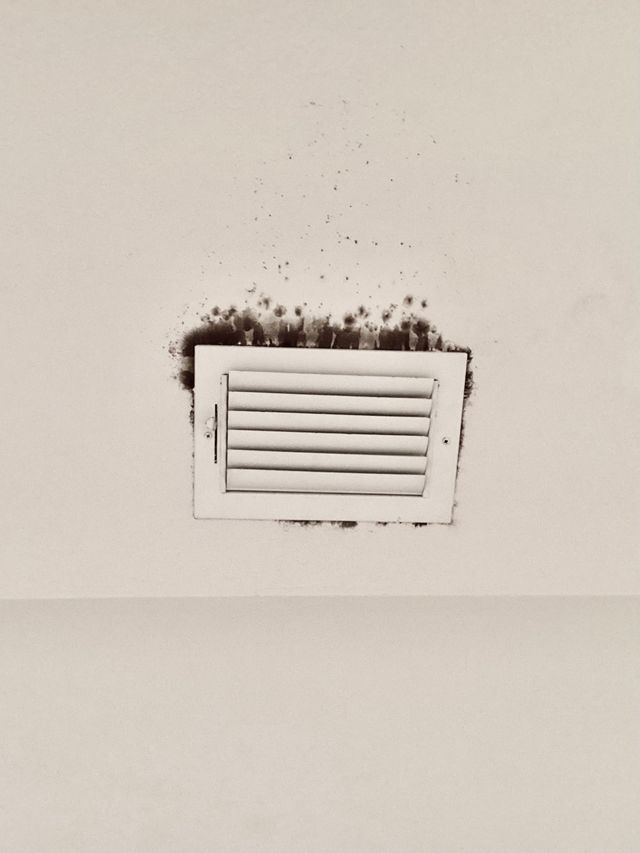
Mold Remediation in Cocoa Beach: What Homeowners in Brevard County Should Know
Living in Cocoa Beach comes with obvious perks—ocean views, salty breezes, and a relaxed coastal lifestyle. But that same coastal environment also creates ideal conditions for mold. High humidity, wind-driven rain, frequent storms, and year-round air conditioning make mold remediation a reality many Cocoa Beach homeowners eventually face.
Mold remediation isn’t about panic or worst-case assumptions. It’s about understanding how mold behaves in coastal Brevard County homes, why it develops so easily here, and what a proper remediation process actually looks like. When handled correctly, mold problems can be resolved safely and effectively, without unnecessary disruption.
Understanding Mold in Cocoa Beach Homes
Mold exists naturally outdoors throughout Florida. Indoors, it becomes an issue only when moisture allows it to grow on building materials. In Cocoa Beach, moisture intrusion is often subtle—salt air, humidity, and storms work together to introduce moisture in ways homeowners don’t always notice right away.
Mold commonly grows on:
- Drywall and ceiling materials
- Wood framing and trim
- Insulation in walls and attics
- Flooring materials and subfloors
Because mold doesn’t need sunlight to grow, it often develops behind walls, under floors, or above ceilings long before it becomes visible.
Why Mold Is Especially Common in Cocoa Beach
Cocoa Beach homes face unique environmental pressures compared to inland areas of Brevard County. Proximity to the ocean increases airborne moisture and salt exposure, which can affect building materials over time.
Local contributing factors include:
- Constant coastal humidity
- Wind-driven rain during storms
- Tropical systems and hurricanes
- Long AC run times producing condensation
- Salt air impacting seals, windows, and roofs
Homes near the shoreline are also more likely to experience moisture intrusion through windows, sliding doors, and roof penetrations, even when no major damage is visible.
Early Signs Mold Remediation May Be Needed
Many Cocoa Beach homeowners don’t initially see mold. Instead, they notice changes that suggest moisture problems are developing.
Common warning signs include:
- Persistent musty or damp odors
- Discoloration on walls or ceilings
- Peeling paint or bubbling drywall
- Warped or soft flooring
- Condensation near AC vents or windows
These signs don’t automatically mean severe mold growth, but they do indicate excess moisture—which is always the underlying cause.
Hidden Mold Risks in Coastal Homes
Some of the most significant mold problems in Cocoa Beach homes are hidden from view. Coastal construction styles and constant humidity make certain areas especially vulnerable.
Common hidden locations include:
- Inside wall cavities near exterior walls
- Beneath laminate, vinyl, or tile flooring
- Attics after roof leaks or storm damage
- HVAC air handlers and duct systems
- Behind cabinets in kitchens and bathrooms
Because these areas aren’t easily accessible, mold can grow unnoticed until odors or damage appear.
Why DIY Mold Cleanup Often Fails
It’s common for homeowners to try cleaning visible mold with bleach or household products. While surface stains may temporarily disappear, the underlying problem often remains unresolved.
DIY approaches typically fail because:
- Bleach doesn’t penetrate porous materials
- Moisture sources are not corrected
- Spores can spread during cleaning
- Hidden mold is completely missed
In coastal environments like Cocoa Beach, moisture returns quickly if the source isn’t addressed, leading to recurring growth.
What Professional Mold Remediation Actually Involves
Mold remediation is not simply cleaning—it’s a controlled process designed to remove mold safely and prevent it from returning.
A proper remediation approach includes:
- Containment to prevent cross-contamination
- Identifying and correcting moisture sources
- Safe removal of contaminated materials
- Cleaning and treating affected areas
- Steps to reduce future moisture buildup
Each step is important. Skipping moisture correction, for example, almost guarantees the problem will return.
The Role of Mold Inspection and Assessment
Before remediation begins, a professional inspection helps determine the extent of the problem. Visual assessments are paired with moisture detection tools to identify damp materials that support mold growth.
In some cases, mold testing may be used to:
- Confirm indoor mold conditions
- Identify whether growth is active or residual
- Establish a baseline before and after remediation
Testing is used thoughtfully and interpreted in context, not as a scare tactic.
Mold Removal vs Mold Remediation Explained Simply
Homeowners often hear both terms used interchangeably, but there’s an important distinction.
Mold removal focuses on eliminating existing mold growth. Mold remediation is broader—it addresses the mold, the moisture source, and the conditions that allowed growth in the first place.
Remediation may include:
- Repairing leaks or condensation issues
- Improving ventilation
- Replacing affected materials
- Preventing future moisture intrusion
In some situations, correcting moisture alone may be enough. In others, full remediation is necessary.
Preventing Mold After Remediation in Cocoa Beach
Prevention is especially important in coastal homes. Once mold is properly remediated, ongoing moisture management helps protect your home long-term.
Effective prevention steps include:
- Regular AC maintenance and drain cleaning
- Keeping indoor humidity balanced
- Inspecting roofs, windows, and doors after storms
- Using exhaust fans consistently
- Addressing small leaks immediately
Salt air and wind-driven rain make routine inspections especially important for Cocoa Beach homeowners.
Why Local Coastal Experience Matters
Mold remediation in Cocoa Beach is not the same as mold remediation inland. Coastal humidity, storms, and salt exposure create unique challenges that require local knowledge.
Professionals familiar with Brevard County coastal homes understand how moisture behaves in these environments, how building materials respond, and where mold is most likely to develop. Brevard Mold Inspections & Removal brings that local coastal experience into every remediation plan, focusing on long-term solutions rather than temporary fixes.
A Calm, Practical Next Step for Homeowners
Discovering mold in a Cocoa Beach home can feel stressful, but it doesn’t have to be overwhelming. With proper assessment, careful remediation, and moisture control, mold issues can be resolved safely and effectively.
If you’re noticing persistent odors, moisture, or unexplained damage, a professional evaluation can provide clarity. Understanding the problem is the first step toward protecting your home and maintaining a comfortable, stable indoor environment—without unnecessary worry.