Toxic Mold in Titusville: What Homeowners in Brevard County Should Know
For homeowners in Titusville, mold concerns are not unusual. The combination of warm temperatures, high humidity, frequent rain, and long air-conditioning seasons makes Brevard County an environment where mold can develop easily if moisture isn’t controlled. When people hear the term toxic mold, it often triggers anxiety and confusion—but the reality is usually more manageable than the internet makes it seem.
Toxic mold issues in Titusville homes are almost always the result of ongoing moisture problems, not sudden emergencies. Understanding what toxic mold actually means, why it develops locally, and how it’s properly handled helps homeowners respond calmly and correctly instead of reacting out of fear.
What Homeowners Mean by “Toxic Mold”
“Toxic mold” is not a single type of mold. The term is commonly used to describe molds that can produce toxins under certain conditions. These molds are not rare in Florida, and they are not automatically dangerous just because they exist.
What truly matters is:
- Where the mold is growing
- How much moisture is present
- How long the growth has been active
- Whether it’s affecting indoor living spaces
In Titusville homes, mold labeled as “toxic” is often discovered after a long-standing moisture issue, such as a roof leak, plumbing problem, or AC condensation that went unnoticed.
Why Toxic Mold Is a Concern in Titusville Homes
Titusville’s location near wetlands, rivers, and coastal areas contributes to consistently high humidity. Even homes that don’t experience flooding can still struggle with moisture buildup over time.
Local factors that increase mold risk include:
- Prolonged humid weather
- Seasonal storms and heavy rainfall
- Older roofing and plumbing systems
- Slab foundations that retain moisture
- Attics exposed to extreme heat and humidity
- AC systems running most of the year
In some neighborhoods, older homes may lack modern moisture barriers, while newer homes can still develop mold if ventilation and drainage aren’t properly balanced.
How Toxic Mold Typically Develops
Toxic mold rarely appears suddenly. In most Titusville homes, it forms gradually after moisture remains present longer than it should.
Common starting points include:
- Small roof leaks after storms
- Plumbing leaks inside walls or under floors
- Condensation from AC units or ductwork
- Poor bathroom or laundry ventilation
- Past water damage that wasn’t fully dried
Mold feeds on organic materials like drywall, wood, insulation, and dust. Over time, growth can spread and darken, leading homeowners to label it as “toxic.”
Signs That Toxic Mold May Be Present
Many homeowners don’t see mold right away. Instead, they notice subtle changes in their home environment.
Common warning signs include:
- Persistent musty or earthy odors
- Dark or discolored patches on walls or ceilings
- Peeling paint or bubbling drywall
- Warped or soft flooring
- Excess condensation around vents or windows
In some cases, mold is only discovered during renovations, AC maintenance, or attic inspections.
Hidden Toxic Mold in Titusville Homes
Some of the most significant mold problems in Brevard County are hidden completely out of sight. Titusville inspectors frequently find mold in areas homeowners rarely access.
Common hidden locations include:
- Behind bathroom and kitchen walls
- Beneath laminate, vinyl, or carpet flooring
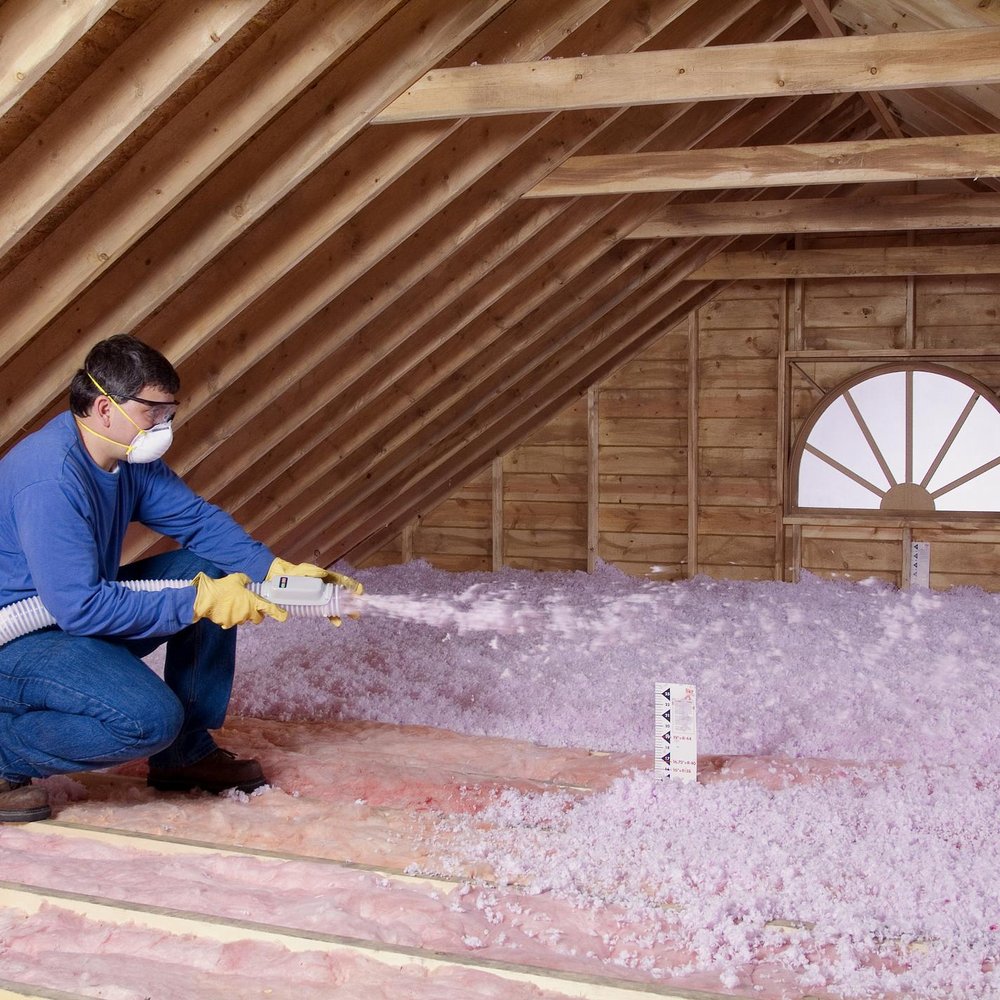
- Inside attic insulation after roof leaks
- Around HVAC air handlers and ducts
- Inside wall cavities from older plumbing issues
Because mold doesn’t need light to grow, these hidden areas can support growth for months or even years without visible signs.
Why DIY Cleanup and Bleach Don’t Solve the Problem
It’s very common for homeowners to attempt cleaning mold with bleach or household products. While surface stains may temporarily disappear, the underlying issue almost always remains.
DIY cleanup fails because:
- Bleach doesn’t penetrate porous materials
- Moisture sources are left unresolved
- Scrubbing can spread spores into the air
- Hidden mold continues to grow unnoticed
In Titusville’s humid climate, moisture returns quickly if the root cause isn’t corrected, allowing mold to reappear—often worse than before.
The Importance of Proper Mold Inspection
Before addressing toxic mold, it’s critical to understand where it’s growing and why. A professional mold inspection focuses on moisture sources and the extent of growth, not just what’s visible.
A proper inspection typically includes:
- Visual evaluation of affected areas
- Moisture detection to locate damp materials
- Assessment of HVAC systems and ventilation
- Targeted sampling when appropriate
The goal is clarity, not fear. Knowing the scope of the issue allows homeowners to choose the correct solution.
Brevard Mold Inspections & Removal approaches toxic mold concerns with a calm, factual process, helping Titusville homeowners understand what’s actually happening inside their homes.
How Toxic Mold Is Properly Remediated
Toxic mold remediation is not simply cleaning. It’s a controlled process designed to remove mold safely and prevent it from returning.
A proper remediation approach includes:
- Containment to prevent cross-contamination
- Identifying and correcting moisture sources
- Removing contaminated porous materials
- Cleaning and treating remaining surfaces
- Ensuring the area is dry and stable afterward
Skipping moisture correction almost always leads to repeat growth.
Mold Removal vs Mold Remediation Explained Simply
Homeowners often hear these terms used interchangeably, but there’s an important distinction.
Mold removal focuses on eliminating existing mold. Mold remediation is broader—it addresses the mold, the moisture source, and the conditions that allowed it to grow.
Remediation may include:
- Repairing leaks or condensation issues
- Improving ventilation or drainage
- Replacing damaged materials
- Preventing future moisture buildup
In some cases, fixing moisture alone may be enough. In others, full remediation is required.
Preventing Toxic Mold in Titusville Homes
Once mold is addressed, prevention becomes the priority—especially in a moisture-heavy environment like Titusville.
Effective prevention steps include:
- Regular AC maintenance and drain cleaning
- Keeping indoor humidity balanced
- Inspecting attics and ceilings after storms
- Using exhaust fans consistently
- Addressing small leaks immediately
- Checking crawl spaces and slab edges periodically
Homes near water or low-lying areas should be especially vigilant after heavy rain.
Why Local Titusville Experience Matters
Toxic mold issues in Titusville differ from those in drier climates. Local professionals understand how Brevard County weather patterns, construction styles, and moisture behavior affect homes.
From slab foundations to attic design, local experience ensures inspections and remediation focus on real risks—not assumptions. Brevard Mold Inspections & Removal brings that Titusville-specific knowledge into every inspection and remediation plan, focusing on long-term stability rather than quick fixes.
A Calm, Practical Next Step for Homeowners
Discovering what you believe to be toxic mold can feel overwhelming, but it doesn’t have to be. With proper inspection, thoughtful remediation, and moisture control, mold issues can be resolved safely and effectively.
If you’re noticing persistent odors, dark staining, or unexplained moisture in your Titusville home, a professional evaluation can provide clarity. Understanding the problem is the first step toward protecting your home and maintaining a stable, comfortable indoor environment—without unnecessary fear.
Image Generation Prompts