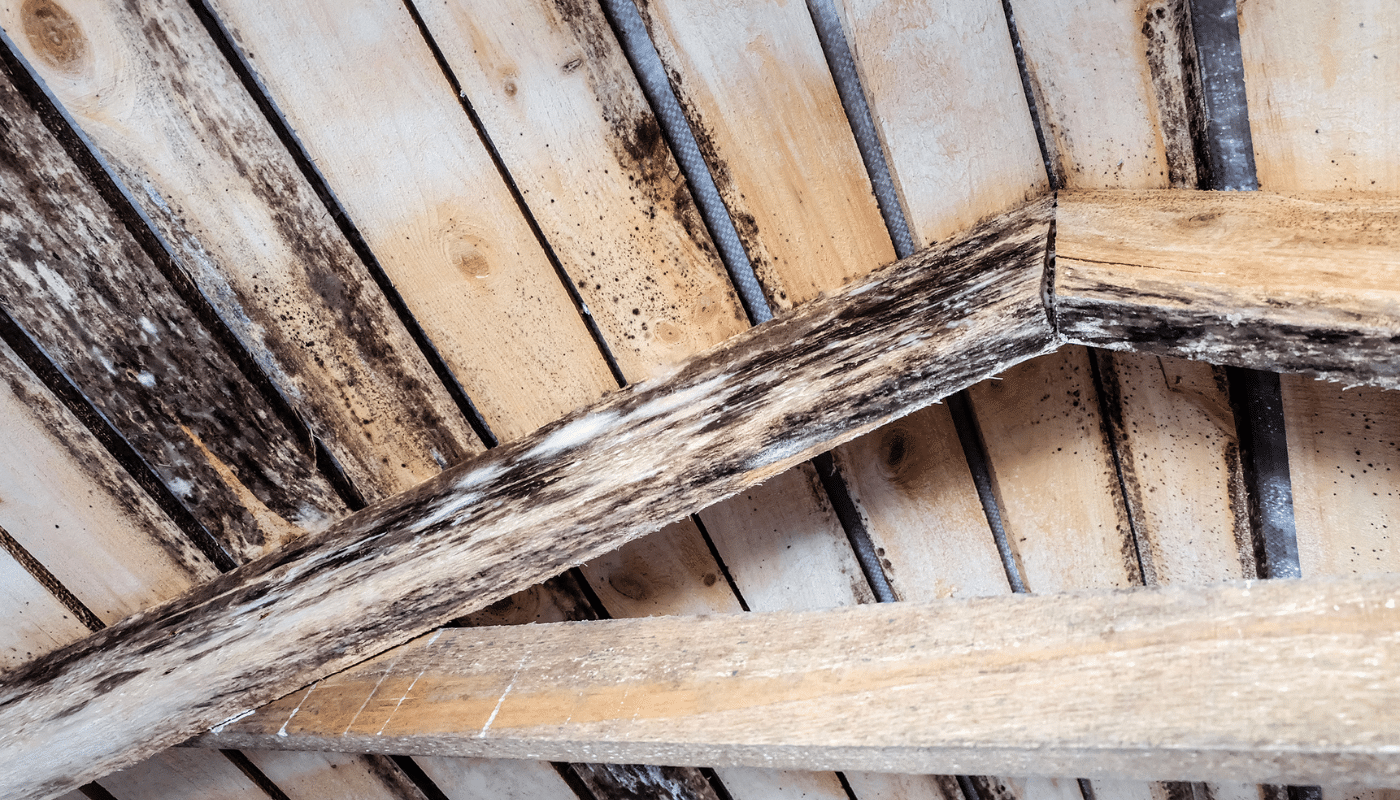
Mold After Water Damage in Satellite Beach: What Homeowners in Brevard County Should Know
Living in Satellite Beach means living close to the ocean, with fresh breezes, beautiful views, and a strong sense of coastal community. But it also means living in one of the most moisture-exposed environments in Brevard County. When water damage occurs—whether from storms, plumbing issues, or wind-driven rain—mold can become a concern faster than many homeowners expect.
Mold after water damage is not a sign of neglect or poor upkeep. In Satellite Beach, it’s usually the natural result of moisture lingering longer than it should. Understanding how mold develops after water damage, where it hides, and how to respond correctly helps homeowners avoid unnecessary stress and long-term damage.
Why Water Damage and Mold Go Hand in Hand
Mold needs only two things to grow: moisture and a surface to feed on. After water damage, both are usually present. Drywall, wood framing, insulation, flooring, and even dust can become food sources if they stay damp.
In Satellite Beach homes, water damage doesn’t always look dramatic. It may come from:
- Wind-driven rain during storms
- Minor roof or flashing leaks
- Plumbing leaks inside walls
- AC drain line backups
- Water intrusion around windows or sliding doors
Even small amounts of water can create mold-friendly conditions if drying is delayed or incomplete.
Why Mold Develops Quickly After Water Damage in Satellite Beach
Satellite Beach’s coastal environment accelerates mold growth. High humidity means materials dry more slowly, and salt air can degrade seals, roofs, and exterior components over time.
Local factors that increase mold risk after water damage include:
- Constant coastal humidity
- Warm temperatures year-round
- Frequent storms and tropical weather
- Wind-driven rain entering small openings
- Long AC run times creating condensation
Because homes are often closed and air-conditioned, moisture can become trapped indoors, creating ideal conditions for mold to develop within days.
Common Types of Water Damage That Lead to Mold
Not all water damage is obvious. In many Satellite Beach homes, mold appears weeks after what seemed like a minor issue.
Common scenarios include:
- Roof leaks that wet attic insulation
- Plumbing leaks under sinks or behind walls
- Overflowing AC condensate pans
- Water intrusion during hurricanes or tropical storms
- Leaks around windows exposed to wind-driven rain
If materials remain damp for more than a short period, mold growth becomes increasingly likely.
Early Signs of Mold After Water Damage
Homeowners often notice indirect signs of mold before seeing visible growth. These signs usually appear after the initial water damage seems resolved.
Warning signs include:
- Musty or earthy odors
- Discoloration on walls or ceilings
- Peeling paint or bubbling drywall
- Warped or soft flooring
- Increased condensation near vents or windows
These changes often indicate moisture is still present somewhere in the home.
Hidden Mold After Water Damage
One of the biggest challenges after water damage is that mold often grows out of sight. In Satellite Beach, inspectors frequently find mold in areas homeowners don’t regularly access.
Common hidden locations include:
- Inside wall cavities near plumbing
- Beneath laminate, vinyl, or carpet flooring
- Attics where insulation absorbed water
- Behind cabinets in kitchens and bathrooms
- HVAC systems exposed to moisture
Because mold doesn’t need light, these areas can support growth long after surfaces appear dry.
Why Drying Alone Is Sometimes Not Enough
Many homeowners believe that once visible water is gone, the problem is solved. In reality, moisture can remain trapped inside building materials.
Fans and dehumidifiers help, but they don’t always reach:
- Moisture behind walls
- Water beneath flooring
- Damp insulation
- Condensation inside HVAC components
If moisture isn’t fully removed, mold can begin growing days or weeks later, even though the water event feels “over.”
Why DIY Cleanup Can Make Mold Worse
It’s common for homeowners to attempt cleanup after water damage using household tools or cleaners. While this may address surface issues, it often misses deeper problems.
DIY efforts may fail because:
- Moisture sources remain unresolved
- Porous materials stay damp internally
- Scrubbing can spread mold spores
- Hidden mold is not addressed
In Satellite Beach’s humid climate, incomplete drying almost guarantees mold will return.
The Role of Professional Mold Inspection After Water Damage
A professional mold inspection after water damage focuses on identifying where moisture remains and whether mold has started to develop.
Inspections typically involve:
- Visual assessment of affected areas
- Moisture detection to locate damp materials
- Evaluation of attics, walls, and HVAC systems
- Targeted testing when appropriate
The goal is to determine whether mold conditions exist and what steps—if any—are needed next.
Brevard Mold Inspections & Removal helps Satellite Beach homeowners understand post-water-damage conditions clearly, without alarm or unnecessary assumptions.
How Mold Remediation Works After Water Damage
If mold is confirmed, remediation follows a structured, safety-focused process. This is not just surface cleaning.
Proper remediation includes:
- Containment to prevent spreading spores
- Correcting the original water or moisture source
- Removing contaminated porous materials
- Cleaning and treating remaining surfaces
- Ensuring the area is dry and stable
Addressing moisture is the most critical step. Without it, mold will return.
Mold Removal vs Water Damage Restoration
Water damage restoration and mold remediation are related but not the same. Restoration focuses on drying and repairing water-damaged materials. Mold remediation focuses on safely removing mold growth and preventing recurrence.
In some cases, fast and thorough drying prevents mold entirely. In others—especially in humid coastal homes—mold remediation is necessary even after restoration.
Understanding the difference helps homeowners know why mold may appear even after water cleanup seems complete.
Preventing Mold After Water Damage in Satellite Beach
Prevention starts immediately after any water event, no matter how small it seems.
Effective prevention steps include:
- Drying affected areas as quickly as possible
- Using dehumidification to control humidity
- Checking attics, walls, and flooring for hidden moisture
- Inspecting AC systems after water exposure
- Addressing roof, window, or plumbing issues promptly
Homes near the ocean should be especially cautious after storms due to wind-driven rain and salt exposure.
Why Local Coastal Experience Matters
Mold after water damage behaves differently in Satellite Beach than in inland or dry climates. Coastal humidity, storms, and construction styles create unique challenges.
Local professionals understand:
- How quickly mold can develop after storms
- Where moisture hides in coastal homes
- How salt air affects roofs and seals
- How HVAC systems contribute to moisture issues
Brevard Mold Inspections & Removal brings that local knowledge into every inspection and remediation plan, focusing on long-term stability rather than quick fixes.
A Calm, Practical Path Forward for Homeowners
Water damage is stressful, and concerns about mold can add to that stress. The key is responding with information, not fear. Early inspection, proper drying, and moisture control make a significant difference.
If your Satellite Beach home has experienced water damage—recently or in the past—and you’re noticing odors, staining, or lingering moisture, a professional evaluation can provide clarity. Understanding what’s happening inside your home is the first step toward protecting it and preventing mold from becoming a long-term issue.
Image Generation Prompts