


Mold Testing in Titusville: What Homeowners in Brevard County Should Know
Mold testing is one of the most misunderstood parts of dealing with mold in Florida homes. Many homeowners in Titusville aren’t sure when mold testing is actually needed, what it tells them, or whether it’s worth doing at all. In Brevard County’s humid climate, mold is common, but testing is not always the first or best step.
Titusville homes face constant moisture pressure from humidity, storms, aging construction, and year-round air conditioning. Mold testing can be useful in the right situations, but only when it’s done for the right reasons. Understanding what mold testing is, when it makes sense, and how it fits into the bigger picture helps homeowners avoid confusion and unnecessary expense.
What Mold Testing Really Is
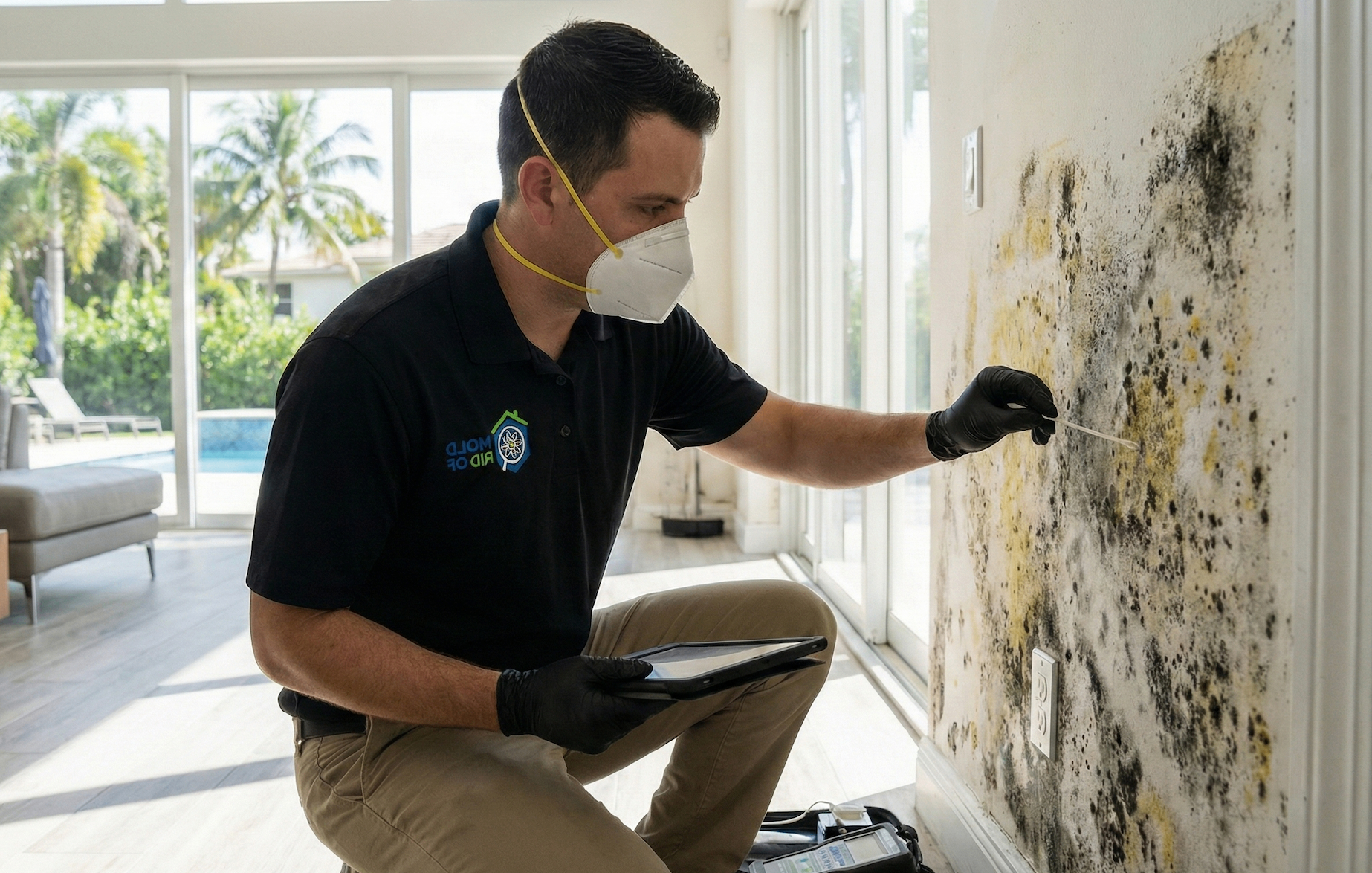
Mold testing is the process of collecting samples from a home and sending them to a laboratory for analysis. The goal is to understand whether mold is present, where it may be coming from, and how indoor conditions compare to outdoor air.
Testing does not remove mold, fix moisture problems, or determine the cause by itself. It is simply a tool that provides information. In Titusville homes, mold testing is most effective when it supports an inspection rather than replacing one.
A proper approach always starts with understanding the building, not just collecting samples.
Why Mold Testing Is Often Requested in Titusville
Homeowners usually ask about mold testing when they notice something that doesn’t make sense. Persistent musty odors, recurring humidity, unexplained discomfort, or visible staining often lead people to want confirmation.
In Titusville, mold testing is also commonly requested after water damage, storms, or during real estate transactions. Buyers and sellers may want documentation of conditions inside the home, especially in older properties or homes that have experienced roof leaks or AC issues.
Another common reason is when mold is suspected but not visible. Testing can sometimes help clarify whether hidden mold may be present.
When Mold Testing Makes Sense
Mold testing is useful in specific situations. One common scenario is when there are strong odors or moisture issues, but no visible mold. Air testing can help indicate whether mold levels inside the home are elevated compared to outside.
Testing may also be appropriate when homeowners want documentation, such as during a real estate transaction or after a remediation has been completed to confirm conditions.
In some cases, testing helps determine whether mold is localized or more widespread. This information can guide decisions about next steps.
The key is that testing should answer a question, not create new confusion.
When Mold Testing Is Often Not Necessary
Many homeowners are surprised to learn that mold testing is not always needed. If visible mold is present and the moisture source is clear, testing rarely changes what needs to be done.
In Florida homes, mold growth is almost always tied to moisture. Identifying and correcting that moisture source is far more important than knowing the specific type of mold.
Testing should never replace a proper inspection. Without understanding where moisture is coming from, test results alone provide limited value.
Types of Mold Testing Commonly Used
Air sampling is one of the most common testing methods. It compares indoor air to outdoor air to see whether mold levels inside are elevated. This can be useful when mold is suspected but not visible.
Surface sampling involves collecting samples from visible growth to confirm it is mold. This can be helpful when homeowners want documentation or clarity.
In some cases, dust or cavity samples may be used to evaluate conditions in hidden areas. These methods are typically used selectively, not routinely.
A good inspector chooses the testing method based on the situation, not a one-size-fits-all approach.
What Mold Testing Does and Does Not Tell You
Mold testing can confirm whether mold is present and provide information about mold levels. It can help identify patterns that suggest hidden growth or ongoing moisture problems.
However, testing does not determine how long mold has been present, who is responsible, or what repairs are needed. It also does not measure health effects.
In Titusville homes, test results are most valuable when paired with a clear understanding of moisture conditions and building behavior.
Why Moisture Matters More Than Test Results
Mold follows moisture. Without moisture, mold cannot grow. This is why professional inspections focus heavily on moisture detection.
Moisture meters and thermal imaging tools help identify damp materials behind walls, under floors, and above ceilings. These tools often reveal the real problem more clearly than test results alone.
In slab homes common in Titusville and Brevard County, moisture intrusion is often hidden. Addressing moisture issues is always the priority.
Testing without moisture investigation often leads to incomplete answers.
Common Mold Testing Mistakes Homeowners Make
One common mistake is testing without inspecting. Collecting samples without understanding the building often leads to misleading results.
Another mistake is assuming that any positive test result means a serious problem. Mold spores are always present in the air, especially in Florida.
Some homeowners also expect testing to tell them exactly what to fix. In reality, testing supports decisions but does not replace professional evaluation.
Clear expectations are essential for testing to be useful.
Mold Testing During Real Estate Transactions
Mold testing is frequently requested during home sales in Titusville. Buyers want reassurance, and sellers want documentation.
In these cases, testing is most helpful when combined with a full inspection. This approach provides context for the results and avoids unnecessary alarm.
Real estate testing should focus on understanding conditions, not creating obstacles. Clear communication and proper interpretation matter.
Professional Mold Inspection vs Mold Testing
A mold inspection evaluates the home as a system. It looks at moisture sources, ventilation, HVAC systems, building materials, and visible and hidden areas.
Mold testing is one part of that process, not the whole thing. Testing should be used selectively, based on what the inspection reveals.
In Florida homes, inspections almost always provide more actionable information than testing alone.
How Testing Fits Into Mold Remediation Decisions
When remediation is needed, testing can help define the scope of work. It may also be used after remediation to evaluate conditions once work is complete.
Testing should never drive remediation without understanding moisture. Without fixing the moisture source, mold is likely to return regardless of test results.
Brevard Mold Inspections & Removal approaches mold testing as a supporting tool, not a standalone solution.
Why Local Experience in Brevard County Matters
Mold testing in Florida is different from testing in dry climates. High humidity, coastal air, and constant AC use affect background mold levels.
Local experience means understanding what is normal for Titusville and what is not. It also means knowing how to interpret results realistically in this climate.
Professionals familiar with Brevard County conditions can explain results clearly and responsibly.
A Calm, Practical Next Step
If you’re considering mold testing in your Titusville home, the first step is understanding why. Clear questions lead to useful answers.
A professional inspection can help determine whether testing makes sense and what type, if any, would be helpful. Homeowners throughout Brevard County benefit from combining clear information with local experience.
Brevard Mold Inspections & Removal helps homeowners understand when mold testing is useful, when it isn’t, and how to move forward with confidence rather than guesswork.
Mold testing works best when it’s part of a thoughtful, informed approach to protecting your home.