
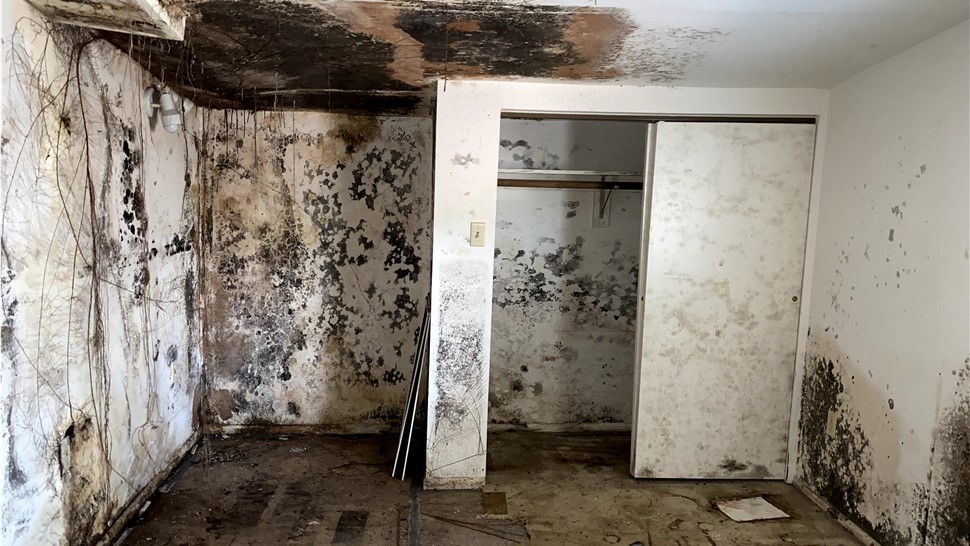
Mold in Crawl Spaces in Merritt Island: What Homeowners in Brevard County Should Know
Crawl space mold is one of the most common hidden problems affecting homes in Merritt Island. Because crawl spaces are out of sight and rarely accessed, moisture issues can persist for long periods without being noticed. By the time a homeowner smells something musty or notices indoor humidity problems, mold may already be well established beneath the home.
In Merritt Island and throughout Brevard County, crawl space mold is closely tied to coastal moisture, high humidity, storms, and groundwater conditions. Homes near the Banana River and Indian River Lagoon are especially vulnerable. Understanding why crawl space mold develops, how it affects the rest of the home, and what actually solves the problem helps homeowners avoid ongoing damage and repeated frustration.
What Crawl Space Mold Really Is
Crawl space mold develops when moisture remains trapped beneath a home long enough for mold to grow on organic materials. Mold spores are always present in the air, but they only become a problem when moisture and suitable surfaces are available.
In crawl spaces, mold commonly grows on floor joists, subflooring, support beams, insulation, vapor barriers, and sometimes foundation walls. It may appear as dark staining, fuzzy growth, or patchy discoloration on wood and other materials.
In Merritt Island homes, crawl space mold is often widespread by the time it’s discovered because conditions below the home rarely dry out on their own.
Why Crawl Space Mold Is So Common in Merritt Island
Merritt Island’s geography plays a major role. Surrounded by water on both sides, the area experiences consistently high humidity and elevated groundwater levels. Even when it hasn’t rained recently, moisture remains present in the soil beneath homes.
Heavy rainstorms and tropical systems increase the problem. Groundwater rises quickly, and moisture migrates upward into crawl spaces through soil and foundation openings. Many crawl spaces were not designed to handle this level of moisture year-round.
Traditional crawl space vents often make things worse in Florida. Warm, humid outdoor air enters through vents and condenses on cooler crawl space surfaces. Instead of drying the space, ventilation introduces more moisture.
These conditions make crawl space mold a recurring issue across Merritt Island and nearby areas like Cocoa, Rockledge, and Satellite Beach.
How Crawl Space Mold Affects the Rest of the Home
Many homeowners don’t realize how closely crawl spaces and living spaces are connected. Air from the crawl space can move upward into the home through small gaps in flooring, plumbing penetrations, and ductwork.
When mold is present below the home, odors and moisture can travel upward, affecting indoor air quality and comfort. Floors may feel damp or soft, and indoor humidity may remain high even when the air conditioning is running.
Over time, mold and moisture can weaken wood framing and reduce insulation effectiveness, increasing energy costs and long-term repair needs.
Common Signs of Crawl Space Mold
Crawl space mold often reveals itself indirectly. One of the most common signs is a persistent musty odor, especially near floors, closets, or lower-level rooms.
Some homeowners notice warped flooring, cupping hardwood floors, or soft spots underfoot. Increased indoor humidity or condensation indoors can also signal moisture problems beneath the home.
Pests, damp insulation, or visible mold around floor vents may indicate crawl space issues. These signs usually mean moisture has been present for quite some time.
Where Mold Typically Grows in Crawl Spaces
Floor joists and subflooring are the most common mold locations. Wood absorbs moisture easily and provides organic material for mold growth.
Insulation between floor joists often traps moisture, creating ideal conditions for mold. Vapor barriers that are thin, torn, improperly installed, or missing allow ground moisture to rise into the crawl space.
Support piers, foundation walls, and areas near plumbing lines are also frequent problem spots. In Merritt Island homes, mold is often found across large sections of the crawl space rather than in one isolated area.
Hidden Causes Homeowners Often Overlook
Ground moisture is one of the biggest contributors to crawl space mold. Even without standing water, damp soil constantly releases moisture upward.
Poor drainage around the home can worsen the problem by directing rainwater toward the foundation. Blocked gutters, improper grading, and limited runoff control all increase crawl space moisture.
Plumbing leaks beneath the home are another common cause. Even slow drips can keep materials damp without obvious signs inside the house.
HVAC ductwork running through crawl spaces can also contribute. Condensation on ducts adds moisture to an already humid environment.
Why DIY or Ignoring Crawl Space Mold Makes It Worse
Because crawl spaces are difficult to access, many homeowners delay addressing mold or attempt surface-level fixes. Unfortunately, crawl space mold rarely improves on its own.
DIY cleaning usually focuses on visible mold and does not address moisture sources. Scrubbing or spraying mold without containment can release spores and spread contamination.
Ignoring the problem allows moisture and mold to continue affecting structural components. The longer the issue persists, the more extensive remediation often becomes.
Professional Crawl Space Mold Inspection Explained
A professional crawl space mold inspection focuses on identifying both mold growth and moisture conditions beneath the home. This includes a thorough visual inspection of wood framing, insulation, vapor barriers, and foundation walls.
Moisture detection tools help identify damp materials and elevated humidity levels. Inspectors also evaluate ventilation, drainage, plumbing, and airflow patterns.
When appropriate, air or surface sampling may be used to better understand mold conditions. Laboratory analysis provides objective information to guide decisions without speculation.
A proper inspection helps homeowners understand the full scope of the issue and what steps actually make sense.
Proper Mold Remediation for Crawl Spaces
Effective crawl space mold remediation addresses more than surface growth. Containment is used to prevent mold spores from spreading during the process.
Mold-affected insulation, vapor barriers, or damaged materials may need to be removed and replaced. Wood surfaces are treated or cleaned based on severity.
Correcting moisture sources is critical. This may include installing or repairing vapor barriers, improving drainage, sealing foundation openings, addressing plumbing leaks, or adjusting ventilation strategies.
In Florida homes, remediation must focus on long-term moisture control. Brevard Mold Inspections & Removal approaches crawl space mold with a prevention-focused mindset rather than temporary cleanup.
Preventing Crawl Space Mold Going Forward
Prevention starts with controlling ground moisture. A properly installed, durable vapor barrier helps block moisture from entering the crawl space.
Drainage around the home should direct water away from the foundation. Gutters, downspouts, and grading all play an important role.
Ventilation strategies should be evaluated carefully. In humid climates, traditional venting is not always effective and may require alternative approaches.
Regular inspections help catch moisture issues early, especially after heavy rain or storms common in Merritt Island.
Why Local Experience in Brevard County Matters
Crawl space mold in Brevard County is shaped by coastal climate, groundwater conditions, and local construction practices. What works in dry regions often fails in Florida.
Local experience means understanding how Merritt Island’s moisture patterns affect crawl spaces and which solutions hold up long-term in this environment.
Professionals familiar with Brevard County conditions can identify risks quickly and recommend practical, climate-appropriate solutions.
A Calm, Practical Next Step
If your Merritt Island home has musty odors, humidity issues, or flooring concerns, the crawl space is worth checking. Early identification helps prevent structural damage and ongoing moisture problems.
Homeowners across Brevard County benefit from addressing crawl space mold before it affects the rest of the home. Brevard Mold Inspections & Removal helps homeowners identify crawl space mold issues and take practical steps toward long-term protection.
Taking care of what’s beneath your home is one of the most effective ways to protect everything above it.