
Living in Cape Canaveral means being close to the ocean, enjoying salty breezes, and dealing with Florida’s coastal climate every day. While the location is ideal for beachside living, it also creates one of the most mold-prone environments in Brevard County. High humidity, frequent storms, and heavy air-conditioning use all contribute to moisture problems that often require professional mold removal.
Many homeowners don’t realize mold is present until it becomes difficult to ignore. By the time visible growth or strong odors appear, moisture has often been affecting the home for some time. Understanding how mold removal works, why it’s so common in Cape Canaveral, and what proper remediation involves can help homeowners address the issue calmly and correctly.
What Mold Removal Really Means
Mold removal is not simply wiping down a surface or applying a cleaner. In Cape Canaveral homes, proper mold removal focuses on safely eliminating contaminated materials while addressing the moisture source that allowed mold to grow in the first place.
Effective removal looks at the full picture — where mold is growing, how far it has spread, and what conditions caused it. Without correcting moisture issues, mold often returns even after visible areas are cleaned.
Why Mold Is So Common in Cape Canaveral Homes
Cape Canaveral’s coastal location exposes homes to constant moisture from ocean air. Even on dry days, humidity levels remain high, and that moisture gradually settles into walls, ceilings, and insulation.
Storms and tropical weather increase the risk. Wind-driven rain can enter through roof penetrations, aging seals, or small cracks around windows and doors. These issues may not cause immediate damage but can leave materials damp long enough for mold to develop.
Air-conditioning systems also play a major role. AC units run frequently to manage heat and humidity, producing condensation in drain pans, coils, and ductwork. When drainage is restricted or airflow is poor, moisture builds up and creates ideal conditions for mold growth.
Signs Homeowners Notice Before Mold Removal Is Needed
Many homeowners first notice a persistent musty or earthy odor, especially near air vents, closets, or bedrooms that feel damp. Others see discoloration on walls or ceilings, bubbling paint, or staining near windows and baseboards.
In some cases, flooring may begin to warp, or cabinets near sinks feel damp. Homes with past water damage — even years earlier — are especially vulnerable, as moisture can remain trapped behind walls or under flooring.
These signs often prompt homeowners to seek professional help rather than attempting surface cleaning.
Common Areas Where Mold Removal Is Required
In Cape Canaveral homes, mold is frequently found in areas where moisture collects unnoticed. HVAC systems are a major concern, particularly air handlers, drain pans, and return plenums. Mold in these areas can spread spores throughout the home when the system runs.
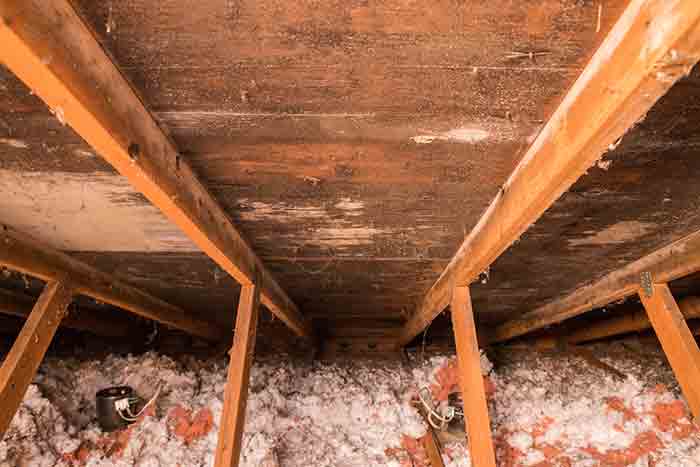
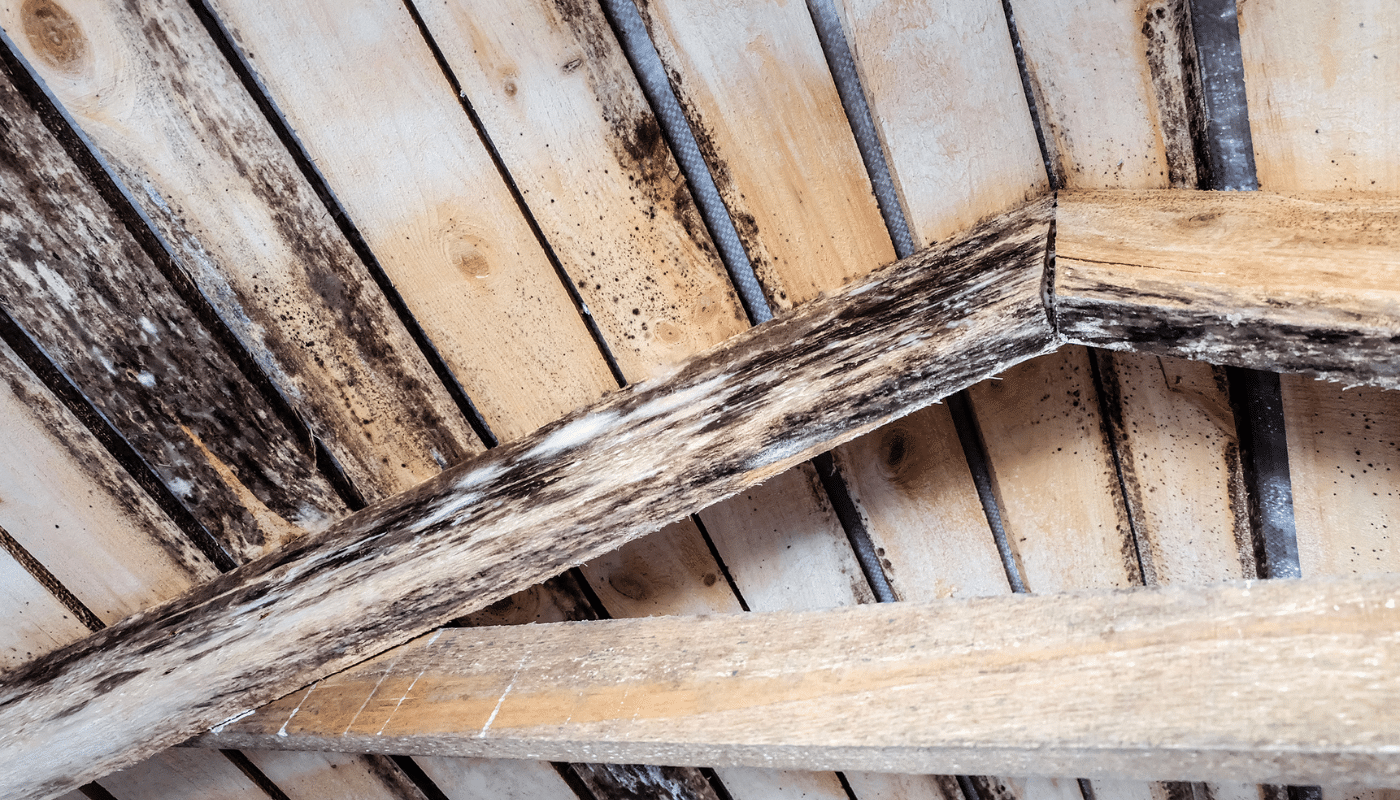
Attics are another common location. Heat buildup combined with limited ventilation allows moisture to linger on roof decking and insulation. Bathrooms, laundry rooms, and kitchens also see frequent mold issues when ventilation is inadequate.
Behind walls near plumbing fixtures and under flooring in slab-built homes are other areas where mold removal is often necessary.
Why Mold Often Spreads Before It’s Seen
Mold does not need light to grow. It thrives in dark, enclosed spaces where moisture remains undisturbed. In coastal homes, repeated exposure to humidity allows mold to develop slowly over time.
A home can appear clean and well maintained while mold grows behind drywall or inside ductwork. Painting over stains or patching damaged drywall without addressing moisture can trap mold behind finished surfaces, allowing it to continue spreading.
Why DIY Mold Removal Usually Fails
Many homeowners try to remove mold themselves using bleach or store-bought cleaners. While this may improve appearance temporarily, it rarely solves the underlying problem.
Bleach does not penetrate porous materials like drywall or wood. Scrubbing visible mold without containment can release spores into the air, spreading them to other parts of the home. Without correcting the moisture source, mold often returns quickly.
DIY efforts also make it easy to miss hidden growth, leading to ongoing issues that require more extensive remediation later.
How Professional Mold Removal Is Performed
Professional mold removal follows a structured process designed to protect the home and its occupants. The first step is containment, which prevents mold spores from spreading during removal.
Affected materials are removed safely, and surrounding areas are cleaned using industry-accepted methods. Just as important is identifying and correcting the moisture source, whether it involves AC drainage, ventilation improvements, or repairing leaks.
Companies like Brevard Mold Inspections & Removal focus on thorough, methodical remediation rather than quick surface fixes, helping ensure mold does not return.
What Happens After Mold Removal
Once removal is complete, the focus shifts to prevention. Drying the affected areas completely and improving moisture control helps protect the home moving forward.
In some cases, follow-up inspections or testing may be recommended to confirm conditions have improved. The goal is long-term stability, not temporary relief.
Preventing Mold in Cape Canaveral Homes
Preventing mold starts with managing moisture. Keeping indoor humidity under control is especially important in coastal homes. Proper ventilation in bathrooms, kitchens, and laundry rooms allows moisture to escape before it settles.
Routine AC maintenance is critical. Drain lines should stay clear, filters replaced regularly, and air handlers checked for condensation issues. After storms, homeowners should inspect attics, ceilings, and exterior walls for signs of moisture intrusion.
Addressing small leaks quickly and maintaining roof and window seals can significantly reduce mold risk over time.
Why Local Experience in Brevard County Matters
Mold removal in Cape Canaveral is different from inland areas like Viera or Rockledge. Coastal humidity, salt air, and storm exposure all influence how moisture behaves inside homes.
Local experience means understanding these patterns, common construction styles, and where mold is most likely to appear in beachside properties. That knowledge helps ensure mold removal is effective and appropriate for Brevard County conditions.
A Calm, Practical Next Step
If you’re dealing with visible mold, persistent odors, or moisture issues in your home, professional mold removal can help restore a healthy indoor environment. Taking action early often prevents more extensive damage and disruption.
A calm, informed approach allows homeowners to protect their investment and move forward with confidence.
Images for This Article
Mold Growth on Interior Walls in Coastal Florida Homes

Attic Mold Caused by Heat and Moisture in Brevard County
Mold and Moisture Around HVAC Systems in Florida Homes
