Mold Health Effects in Cocoa: What Homeowners in Brevard County Should Know
Living in Cocoa puts homeowners right in the heart of what makes Brevard County beautiful—and challenging. Warm temperatures, coastal moisture, heavy rain, and long cooling seasons create the perfect environment for mold to develop indoors. While mold is a common issue in Florida homes, many people worry most about how it may affect their health and everyday comfort.
The key is understanding what mold can realistically do, what signs to watch for, and how local conditions in Brevard County influence both mold growth and indoor air quality.
Understanding Mold in Florida Homes
Mold is a natural organism that exists everywhere outdoors. Problems begin when mold starts growing indoors due to excess moisture. In Cocoa homes, this often happens after roof leaks, plumbing issues, storm intrusion, or ongoing air-conditioning condensation.
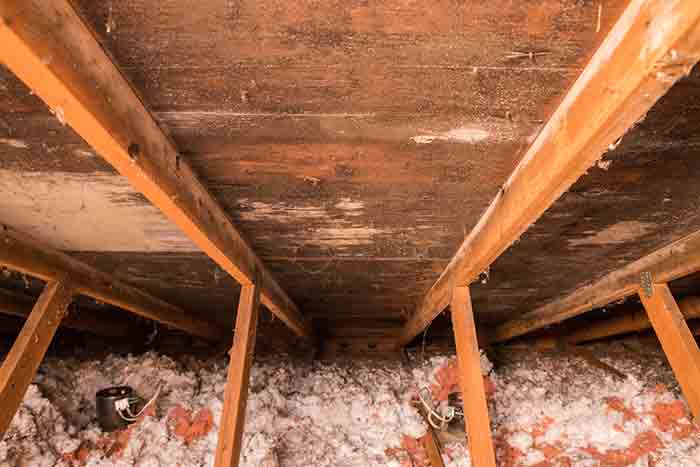
Bathrooms, kitchens, laundry rooms, attics, and areas around HVAC systems are especially vulnerable. Slab foundations, common in Brevard County, can also trap moisture beneath flooring if drainage or vapor barriers fail.
Not all mold exposure causes noticeable health issues, but indoor mold growth can reduce comfort and affect how a home feels and smells over time.
Why Mold Is So Common in Cocoa and Brevard County
Cocoa’s location and climate play a major role. High humidity is present for much of the year, and summer brings heavy rainfall along with hurricane and tropical storm threats. Even homes that appear dry on the surface can hold moisture in wall cavities, insulation, or ductwork.
Air conditioners run almost year-round, creating condensation that must drain properly. Attics experience extreme heat, and when combined with humidity, mold growth can begin quickly. Older homes may lack modern ventilation or moisture barriers, while newer homes can trap humidity due to tighter construction.
These conditions make mold prevention and early detection especially important for Brevard County homeowners.
Common Health Effects Homeowners May Notice
Most mold-related health concerns are subtle rather than dramatic. Homeowners often notice changes in comfort rather than clear illness. These experiences may include:
- Musty or earthy odors that linger indoors
- Increased sneezing or nasal irritation at home
- Watery or itchy eyes
- Headaches that seem worse indoors
- General fatigue or discomfort
These symptoms can have many causes, including humidity, dust, or seasonal allergens. Mold is one possible contributor, which is why identifying moisture sources is more important than guessing based on symptoms alone.
Mold and Indoor Air Quality
When mold grows indoors, it can release spores into the air. In humid environments like Cocoa, those spores may remain airborne longer and circulate through HVAC systems.
People with allergies, asthma, or respiratory sensitivities may notice increased discomfort in homes with mold issues. This doesn’t mean mold causes disease, but it can worsen existing sensitivities or reduce overall indoor air quality.
Children and older adults may be more sensitive to these conditions, especially in homes with poor ventilation or long-standing moisture problems.
Hidden Mold and Its Impact on Comfort
One of the biggest challenges in Brevard County homes is hidden mold. Growth behind drywall, under flooring, inside attics, crawl spaces, or HVAC systems may go unnoticed for long periods.
Homeowners often report persistent odors, uneven cooling, or a damp feeling indoors even when surfaces appear clean. These signs usually point to moisture problems that allow mold to grow out of sight.
Left unaddressed, hidden mold can contribute to ongoing discomfort and gradual property damage.
Common Myths About Mold and Health
Mold is often misunderstood. A common misconception is that all mold is dangerous or “toxic.” In reality, mold situations vary widely, and panic is rarely helpful.
Another myth is that cleaning mold with bleach solves the problem. Surface cleaning may remove stains but does not address moisture sources or hidden growth. Without correcting humidity or leaks, mold often returns.
In Cocoa homes, long-term solutions always involve moisture control, not just surface treatment.
Why DIY Mold Cleanup Can Make Things Worse
Small areas of surface mold may seem easy to handle, but DIY cleanup often misses the bigger picture. Scrubbing without containment can spread spores to other areas of the home. Painting over mold hides the issue instead of resolving it.
Homeowners may also overlook mold in ductwork, insulation, or wall cavities—areas that continue affecting indoor conditions even after visible mold is removed.
This is why persistent or recurring mold issues usually require a more thorough evaluation.
Professional Mold Inspection and Testing Explained
A professional mold inspection focuses on identifying moisture sources, affected areas, and conditions that allow mold to grow. Inspectors use visual assessments and moisture detection tools to locate hidden dampness.
When needed, air or surface sampling may help clarify indoor conditions. Lab analysis is used to support findings, but the primary goal is understanding why mold is present and how to prevent it from returning.
Local experience matters. A company like Brevard Mold Inspections & Removal understands Cocoa-area construction, climate patterns, and common moisture problems unique to Brevard County homes.
Proper Mold Removal and Remediation
Effective mold remediation starts with fixing moisture issues. This may include repairing leaks, improving drainage, enhancing ventilation, or adjusting HVAC components.
Containment is used to prevent spores from spreading during removal. Affected materials are cleaned or removed safely, depending on the severity of the issue. The process focuses on restoring indoor conditions, not just removing visible growth.
Long-term prevention is always part of proper remediation.
Preventing Mold in Cocoa Homes
Preventing mold in Brevard County requires consistent moisture management. Helpful steps include:
- Keeping indoor humidity under control
- Using exhaust fans in bathrooms and kitchens
- Scheduling regular AC inspections and maintenance
- Checking attics and crawl spaces after storms
- Repairing leaks promptly
- Ensuring good airflow throughout the home
Post-storm inspections are especially important in Cocoa, where heavy rain and wind-driven moisture are common.
Why Local Brevard County Experience Matters
Mold behavior in Florida is different from drier climates. Coastal moisture, slab foundations, and year-round AC use create unique challenges.
Homes in Cocoa Beach, Merritt Island, Satellite Beach, and Cape Canaveral deal with salt air and coastal humidity. Inland areas like Rockledge, Viera, and Palm Bay may face different drainage or construction-related moisture issues.
Working with local professionals ensures solutions are based on real Brevard County conditions, not generic advice.
A Calm, Informed Path Forward
Concerns about mold health effects are understandable, but they don’t need to lead to fear or rushed decisions. Understanding moisture conditions, identifying hidden issues, and getting professional guidance can provide clarity and peace of mind.
A thorough inspection and practical prevention plan can help protect both your home and your indoor comfort. With the right approach, most mold issues in Cocoa can be addressed effectively and responsibly.
Images for This Article