

DIY Mold Risks in Viera: What Homeowners in Brevard County Should Know
When mold shows up in a Viera home, many homeowners feel tempted to handle it themselves. A spray bottle, bleach, and a quick scrub can seem like a simple, affordable fix. In Brevard County’s humid climate, however, DIY mold cleanup is one of the most common reasons a small problem turns into a much bigger one.
Homes in Viera, along with nearby areas like Rockledge, Melbourne, and Cocoa, face constant moisture pressure. Mold here is rarely just a surface issue. Understanding why DIY mold efforts often fail, how they can actually make conditions worse, and what homeowners should realistically watch for can help prevent unnecessary damage and repeat mold problems.
Why DIY Mold Cleanup Is So Common in Viera
DIY mold cleanup usually starts because the mold looks minor. A few dark spots on a bathroom ceiling, around a vent, or near a window don’t always seem serious.
In Viera homes, mold often appears after everyday moisture events like AC condensation, small plumbing leaks, or high indoor humidity. Because the damage doesn’t look dramatic, homeowners often assume it’s safe to handle on their own.
Unfortunately, what’s visible is often only a small part of what’s actually happening.
What DIY Mold Cleaning Really Does
Most DIY mold cleanup focuses on appearance. Scrubbing or spraying removes what you can see, but it rarely removes mold growing inside porous materials.
Drywall, wood, insulation, and backing behind tile absorb moisture. Once mold grows into these materials, surface cleaning doesn’t reach the root of the problem.
In Brevard County’s climate, moisture conditions often remain unchanged after DIY cleaning. When that happens, mold usually returns, sometimes spreading into new areas.
How DIY Efforts Can Spread Mold
One of the biggest risks of DIY mold removal is disturbing mold without containment. Scrubbing, wiping, or sanding mold releases spores into the air.
In Viera homes, those spores can easily move through hallways, closets, and HVAC systems. Once airborne, spores settle elsewhere and can start growing in new locations if moisture is present.
It’s common to see mold spread from a single bathroom or vent into adjacent rooms after DIY cleanup attempts.
The Bleach Myth in Florida Homes
Bleach is one of the most commonly used DIY mold products, and one of the most misunderstood.
While bleach can remove surface staining, it does not penetrate porous materials like drywall or wood. The water in bleach can soak into these materials, feeding mold growth beneath the surface.
In humid areas like Viera, this often leads to a cycle where mold disappears briefly, then returns darker and more widespread.
Hidden Mold DIY Cleaning Misses
DIY mold cleanup almost always focuses on visible areas. In Florida homes, mold frequently grows where you can’t see it.
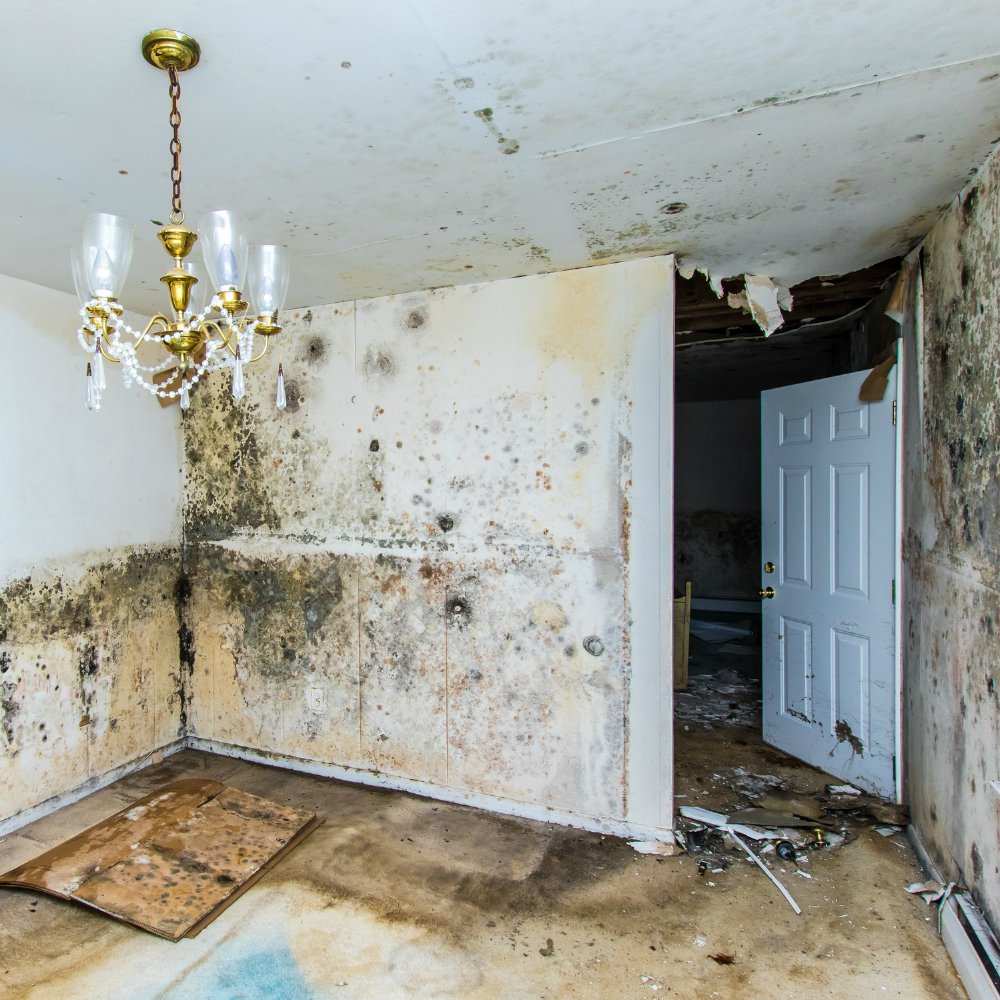
Common hidden locations include behind drywall, under flooring, above ceilings, inside HVAC systems, and inside insulation. A small visible patch may indicate a much larger hidden problem.
Bathrooms, laundry rooms, and areas near AC equipment are especially risky because moisture tends to collect there.
Without moisture detection tools, homeowners can’t see how far mold has actually spread.
Moisture Problems Rarely Get Fixed with DIY
Mold is a moisture problem first, not a cleaning problem. DIY efforts rarely address the source of moisture that allowed mold to grow.
In Viera homes, common moisture sources include AC drain line issues, roof leaks, plumbing drips, window leaks, and poor ventilation. Even high indoor humidity alone can be enough to support mold growth.
If the moisture source remains, mold will continue to return no matter how often it’s cleaned.
Structural Damage Risks from DIY Mold Removal
Aggressive cleaning can damage building materials over time. Scrubbing drywall, wood, or grout repeatedly can weaken surfaces and remove protective layers.
Some homeowners unknowingly damage drywall paper or vapor barriers while trying to clean mold. This makes materials even more vulnerable to moisture and future mold growth.
What starts as a cosmetic cleanup can eventually require drywall replacement, flooring repairs, or more extensive remediation.
Exposure and Comfort Concerns (Without Alarm)
DIY mold cleanup can increase exposure to airborne spores. Disturbing mold without controls raises spore levels inside the home.
Homeowners may notice stronger odors, irritation, or that the home feels less comfortable after DIY cleaning. These changes often indicate mold has spread rather than been removed.
Professional approaches are designed to limit disturbance and control where spores travel.
Situations Where DIY Mold Cleanup Is Especially Risky
DIY mold removal is particularly risky when mold keeps returning after cleaning. This almost always means there’s an unresolved moisture issue.
Mold on ceilings, near HVAC vents, inside closets, or after water damage should not be treated as a simple surface problem. Mold appearing in multiple rooms is another red flag.
In Viera homes with slab foundations, moisture movement is often hidden, making DIY evaluation unreliable.
What Professional Mold Inspection Does Differently
A professional mold inspection looks beyond visible growth. The focus is on identifying moisture sources, hidden mold, and building conditions that allow mold to thrive.
Moisture meters and thermal imaging help locate damp materials behind walls or under floors. Inspections also evaluate HVAC systems, ventilation, and areas commonly missed during DIY efforts.
When appropriate, air or surface sampling provides objective information without speculation.
This approach replaces guesswork with clarity.
Proper Mold Remediation vs DIY Cleanup
Professional mold remediation is not about scrubbing harder. It’s a controlled process that includes containment, targeted removal, and moisture correction.
Containment prevents spores from spreading. Mold-affected materials are cleaned or removed based on how deeply mold has penetrated.
Just as important, moisture sources are corrected so mold doesn’t return. In Florida homes, this prevention step is critical.
Brevard Mold Inspections & Removal approaches mold issues with long-term stability in mind, not temporary cosmetic fixes.
Preventing Mold Without DIY Risks
Homeowners can still play a major role in prevention without attempting risky cleanup. Monitoring for leaks, maintaining AC systems, using exhaust fans, and controlling indoor humidity all help reduce mold risk.
Promptly addressing water damage and scheduling inspections when odors or moisture issues appear can prevent small problems from becoming large ones.
In Brevard County’s climate, early awareness is far more effective than aggressive cleaning.
Why Local Experience in Brevard County Matters
DIY mold advice online often ignores Florida’s unique conditions. What works in dry climates rarely works in Viera.
Local experience means understanding slab foundations, constant humidity, storm patterns, and Florida building materials. It also means recognizing when mold is likely hidden, not just cosmetic.
Professionals familiar with Viera homes can identify risks that generic advice often overlooks.
A Calm, Practical Next Step
If you’ve tried DIY mold cleanup and the problem keeps returning, or if you’re unsure how extensive the issue really is, a professional inspection can provide clear answers without pressure.
Homeowners in Viera and throughout Brevard County benefit from understanding what’s actually happening inside their homes. Brevard Mold Inspections & Removal helps homeowners identify mold risks, avoid unnecessary damage, and take practical steps toward long-term solutions.
Knowing when not to DIY is often the smartest way to protect your home.