

Humidity and Mold in Indian Harbour Beach: What Homeowners in Brevard County Should Know
Humidity is the single biggest reason mold problems develop in Indian Harbour Beach homes. Even without leaks, flooding, or obvious water damage, elevated humidity alone can create the right conditions for mold to grow. For homeowners along Florida’s Space Coast, understanding how humidity behaves inside the home is critical to preventing mold before it becomes a recurring issue.
Indian Harbour Beach sits directly on the coast, where moisture in the air is constant. Salt air, warm temperatures, frequent rain, and homes sealed tightly for air conditioning all work together to trap humidity indoors. When that moisture isn’t controlled, mold growth is often the result.
Why Humidity Is So High in Indian Harbour Beach
Living steps from the ocean means the air is almost always carrying moisture. Even on sunny days with no rain, coastal air remains humid and slows down evaporation on building materials.
In Indian Harbour Beach, nighttime humidity often stays high, preventing homes from fully drying out. Afternoon storms and tropical systems only add to the moisture load. After storms, humidity can remain elevated for days, especially if airflow is limited.
Air conditioning helps, but it does not eliminate humidity in every situation. Homes that rely entirely on AC without proper ventilation or maintenance often trap moisture instead of removing it.
How Humidity Leads to Mold Growth
Mold spores are always present in the air. They become a problem only when moisture stays long enough to support growth.
High indoor humidity allows condensation to form on cooler surfaces like walls, ceilings, air vents, and windows. Over time, moisture soaks into drywall, wood, insulation, and dust. Once materials remain damp, mold can begin growing quietly.
In Indian Harbour Beach homes, mold often develops without any obvious water event. Homeowners are often surprised to learn humidity alone was the cause.
Common Areas Affected by High Humidity
Bathrooms are one of the first places humidity-related mold appears. Steam from showers raises moisture levels quickly, and without strong exhaust ventilation, that moisture lingers on ceilings and inside walls.
Closets, especially those on exterior walls, are another frequent problem area. Limited airflow allows humid air to stagnate, creating ideal conditions for mold growth.
HVAC systems are also vulnerable. Condensation around air handlers, drain pans, and ductwork can support mold when humidity remains high. In coastal homes, ducts often sweat during humid periods.
Attics frequently develop mold due to hot temperatures and trapped humid air, especially when bathroom fans vent into the attic instead of outdoors.
Signs Humidity May Be Causing Mold
Persistent musty odors are one of the most common indicators. These smells often come and go and may be stronger when the AC first turns on.
Homeowners may notice condensation on windows, vents, or walls. Paint may peel or bubble, and drywall can feel slightly soft in areas exposed to moisture.
Rooms that feel damp or sticky, even when the AC is running, are another warning sign. These conditions often exist before visible mold appears.
Why Humidity-Related Mold Is Often Missed
Because there is no obvious leak, humidity-related mold is easy to dismiss. Homeowners may assume mold is due to cleaning habits or surface issues.
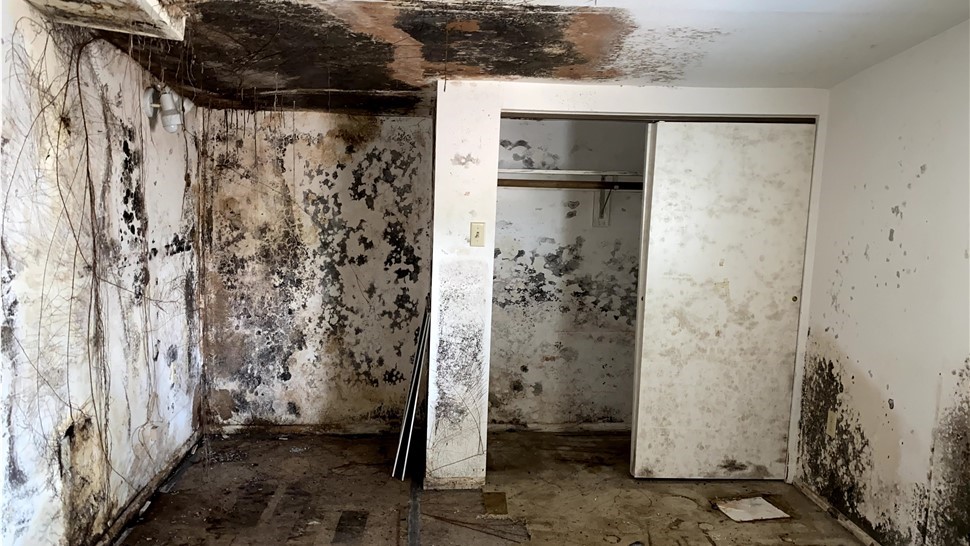
In reality, mold often grows behind walls, above ceilings, or inside HVAC systems where humidity is highest. By the time visible mold appears, moisture has usually been present for a long time.
In Indian Harbour Beach homes, humidity-driven mold is one of the most commonly overlooked issues during early stages.
The Role of Air Conditioning and Humidity Control
Air conditioning systems are designed to remove humidity, but they don’t always work efficiently. Oversized systems may cool the home too quickly without removing enough moisture.
Clogged drain lines, dirty coils, or restricted airflow reduce dehumidification. Ductwork that is poorly insulated can sweat, adding moisture back into the home.
Relying on AC alone without monitoring indoor humidity often leads to mold problems in coastal homes.
Why Cleaning Mold Doesn’t Fix Humidity Problems
Surface cleaning may remove visible mold, but it does nothing to change indoor humidity levels. As long as humidity remains high, mold is likely to return.
Bleach and cleaners do not penetrate porous materials, and the water they contain can actually feed mold growth beneath the surface.
True mold prevention requires managing moisture in the air, not just cleaning what you can see.
Professional Mold Inspection for Humidity Issues
A professional mold inspection focuses on moisture patterns throughout the home. Inspectors evaluate humidity levels, ventilation, HVAC performance, and hidden areas where moisture collects.
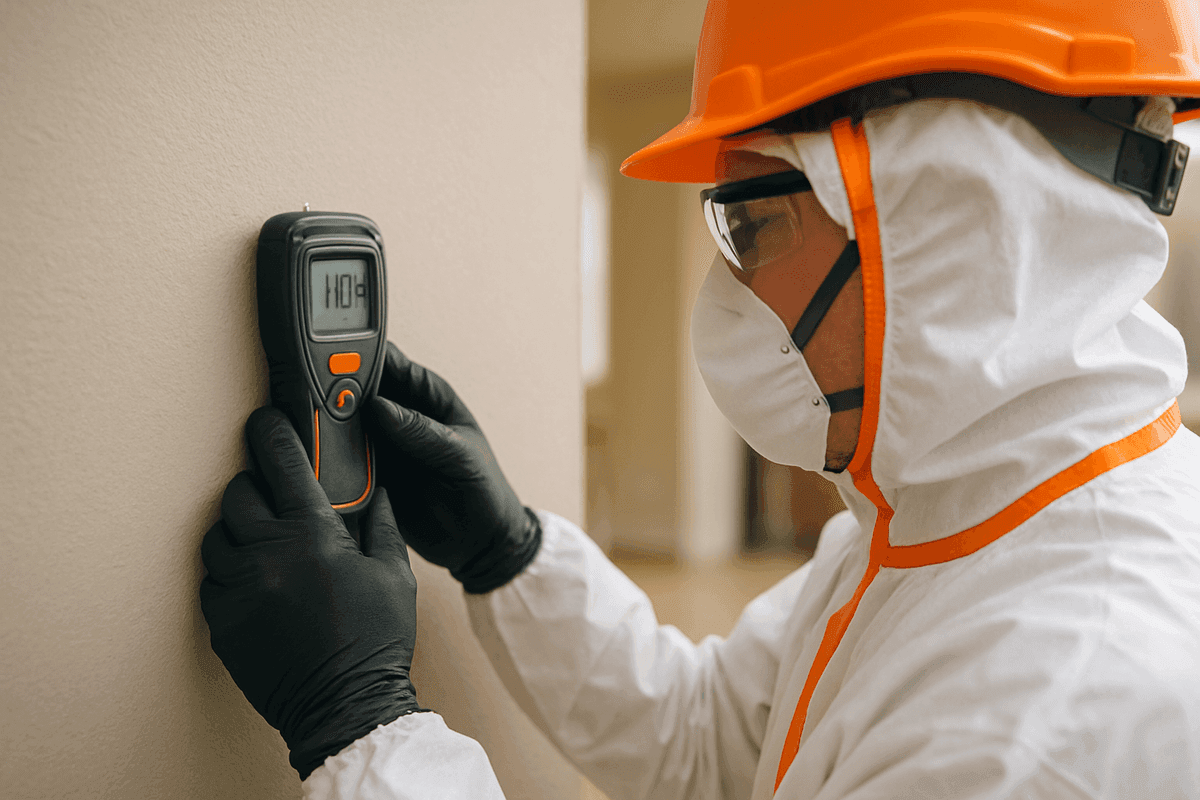
Moisture meters and thermal imaging help identify damp materials behind walls or above ceilings. Inspections often reveal humidity issues homeowners were unaware of.
When appropriate, air or surface sampling may be used to better understand conditions. The goal is clarity, not alarm.
Proper Mold Remediation When Humidity Is the Cause
When mold is driven by humidity, remediation must address both the mold and the moisture conditions.
Mold-affected materials may need to be cleaned or removed depending on severity. Just as important, steps must be taken to stabilize indoor humidity.
This may include improving ventilation, addressing HVAC performance issues, sealing air leaks, or recommending moisture-control strategies tailored to coastal homes.
Brevard Mold Inspections & Removal approaches humidity-related mold with a prevention-focused mindset, helping homeowners avoid repeat problems rather than temporary fixes.
Preventing Humidity-Related Mold Going Forward
Consistent ventilation is essential. Bathroom and kitchen exhaust fans should be used regularly and vented outdoors.
HVAC systems should be maintained to ensure proper drainage and airflow. Filters should be changed regularly, and drain lines kept clear.
Keeping air moving inside the home helps prevent stagnant, humid pockets. Monitoring indoor humidity provides early warning before mold develops.
After storms, attics and HVAC systems should be checked, even if there’s no visible damage.
Why Local Experience in Brevard County Matters
Humidity behaves differently in coastal Florida than in other regions. Indian Harbour Beach homes face constant moisture pressure that generic advice often ignores.
Local experience means understanding how salt air, slab foundations, storms, and Florida building practices affect humidity and mold growth.
Professionals familiar with Brevard County conditions can identify risks early and recommend solutions that actually work long-term in this environment.
A Practical Takeaway for Homeowners
Humidity control is the foundation of mold prevention in Indian Harbour Beach. Mold problems are rarely sudden or mysterious. They usually develop slowly as moisture builds up over time.
If your home feels damp, smells musty, or has recurring mold despite cleaning, humidity is likely playing a role. Understanding and addressing moisture early helps avoid larger problems later.
Homeowners across Brevard County benefit from clear information and proactive moisture management. Brevard Mold Inspections & Removal helps homeowners identify humidity-related mold risks and take practical steps to protect their homes.
Managing humidity isn’t just about comfort. In coastal Florida, it’s one of the most important steps in keeping mold out of your home. Indian Harbour Beach: What Homeowners in Brevard County Should Know