Mold and Insurance Claims in Cape Canaveral: What Homeowners in Brevard County Should Know
Dealing with mold is stressful enough. When insurance questions get added to the mix, many homeowners in Cape Canaveral feel overwhelmed and unsure where to start. Coastal humidity, tropical storms, plumbing leaks, and AC-related moisture make mold a common issue in this part of Brevard County—but insurance coverage is not always straightforward.
Understanding how mold insurance claims typically work, what situations are more likely to be covered, and how to document issues properly can help homeowners respond calmly and make informed decisions.
Why Mold and Insurance Questions Are Common in Cape Canaveral
Cape Canaveral’s location near the coast exposes homes to constant moisture challenges. High humidity, salt air, heavy rain, and storm-driven water intrusion increase the likelihood of leaks and water damage. Mold often develops as a secondary issue after these events.
Many homes in the area rely heavily on air conditioning, which creates condensation that can contribute to moisture problems if not properly managed. Slab foundations, flat or low-slope roofs, and older construction styles can also make drying more difficult after water intrusion.
Because mold often follows water damage, insurance questions usually begin after a leak, storm, or plumbing failure.
How Mold Is Typically Viewed by Insurance Policies
In most cases, mold itself is not the primary focus of insurance policies. Instead, insurers look at what caused the mold. Mold related to a sudden, accidental water event is often treated differently than mold caused by long-term moisture or neglect.
For example, mold that develops after a burst pipe or storm-related roof damage may be considered differently than mold caused by a slow, ongoing leak or poor ventilation. Each policy is different, and coverage depends heavily on how the damage occurred and how quickly it was addressed.
This is why documenting the original water issue is often just as important as documenting the mold itself.
Common Water Events That Lead to Mold Claims
In Cape Canaveral and surrounding Brevard County areas, mold claims often follow events such as:
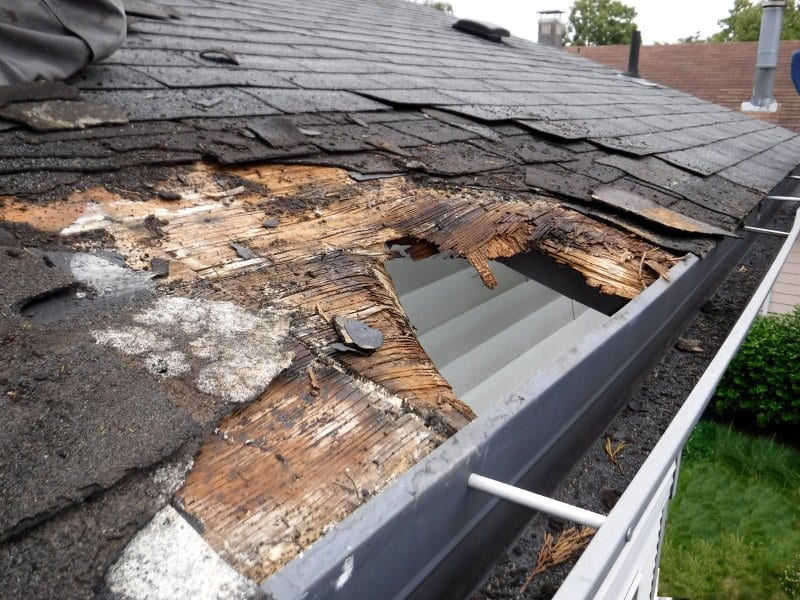
- Roof leaks after tropical storms or hurricanes
- Plumbing failures inside walls or under sinks
- Water heater or appliance leaks
- AC drain line clogs or overflows
- Wind-driven rain entering through windows or doors
When these events happen suddenly and are addressed promptly, they are more likely to fall within typical insurance considerations.
Mold Situations That Often Cause Claim Challenges
Insurance claims become more complicated when mold appears to be the result of ongoing moisture rather than a single event. Long-term humidity, slow leaks, or deferred maintenance are often scrutinized more closely.
Examples that commonly raise questions include:
- Mold from long-standing bathroom or attic moisture
- Condensation issues related to poor ventilation
- Mold developing months after an unnoticed leak
- Repeated mold growth in the same area
These situations highlight why early detection and proper documentation matter so much.
Why Timing and Documentation Matter
One of the biggest factors in mold-related insurance claims is timing. The sooner water damage is identified and addressed, the clearer the connection between the event and resulting mold.
Homeowners should document water damage as soon as it’s discovered. Photos, videos, and notes about when the issue was first noticed can be helpful. Records of repairs, drying efforts, and inspections also play an important role in showing that the homeowner acted responsibly.
Waiting too long to investigate moisture issues can make claims more difficult.
The Role of Professional Mold Inspections
A professional mold inspection helps establish the extent of mold growth and identify the underlying moisture source. Inspectors use visual assessments and moisture detection tools to locate affected areas, including hidden spaces.
When appropriate, air or surface sampling may be used to better understand indoor conditions. While inspections don’t determine insurance coverage, they provide objective information that can help homeowners understand what’s happening inside their home.
Local professionals such as Brevard Mold Inspections & Removal are familiar with Cape Canaveral construction styles, storm-related moisture patterns, and common coastal issues seen throughout Brevard County.
Mold Remediation and Insurance Considerations
Proper mold remediation focuses on correcting the moisture problem first. Leaks must be repaired, wet materials dried or removed, and humidity controlled. Containment is used to prevent mold from spreading during removal.
From an insurance perspective, remediation documentation can be important. Clear records showing the scope of work, moisture correction, and cleanup steps help demonstrate that the issue was addressed thoroughly.
Even when insurance coverage is limited, professional remediation helps prevent future problems and additional damage.
Preventing Mold Issues That Lead to Insurance Disputes
Prevention plays a key role in avoiding complicated insurance situations. Homeowners in Cape Canaveral can reduce mold risk by staying proactive with maintenance and moisture control.
Helpful steps include:
- Inspecting roofs and windows after storms
- Keeping AC systems maintained and drain lines clear
- Using exhaust fans in bathrooms and kitchens
- Addressing leaks immediately, even small ones
- Monitoring indoor humidity levels
- Scheduling periodic inspections in moisture-prone areas
Post-storm checks are especially important in coastal Brevard County communities.
Why Local Experience Matters in Cape Canaveral
Mold behavior in coastal Florida differs from inland or cooler regions. Salt air, wind-driven rain, and constant humidity create unique challenges that generic advice often overlooks.
Homes in Cape Canaveral face different moisture risks than homes in Viera, Palm Bay, or Rockledge. Local professionals understand how these conditions affect building materials, drying times, and mold growth patterns.
That local knowledge helps homeowners get clearer answers and more practical guidance.
A Calm, Informed Approach to Mold and Insurance
Mold and insurance claims can feel confusing, but they don’t need to be handled with panic. Understanding how mold develops, documenting moisture events early, and getting professional input helps homeowners navigate the situation with confidence.
Even when coverage questions arise, addressing mold properly protects the home and prevents long-term issues. With a calm, informed approach, homeowners in Cape Canaveral can make decisions based on facts—not fear—and keep their properties in good condition.
Images for This Article