Mold FAQs in Melbourne: What Homeowners in Brevard County Should Know
Mold questions come up often for homeowners in Melbourne and throughout Brevard County. Between high humidity, heavy rain, hurricanes, and near-constant air-conditioning use, mold concerns are part of everyday homeownership in this area. Many people hear conflicting advice online, which can make it hard to know what’s normal, what’s serious, and what actually needs attention.
This FAQ-style guide answers the most common mold questions Melbourne homeowners ask, using practical, Florida-specific information without fear or exaggeration.
What Is Mold and Why Does It Grow in Homes?
Mold is a natural organism found everywhere outdoors. Inside a home, mold becomes an issue when moisture sticks around long enough for it to grow on building materials.
In Melbourne homes, mold growth is usually connected to:
- High indoor humidity
- Roof or plumbing leaks
- AC condensation problems
- Past water damage
- Poor ventilation
Mold doesn’t mean a home is dirty or poorly maintained. In Florida, it usually means moisture isn’t drying out properly.
Is Mold Common in Melbourne and Brevard County?
Yes. Mold is very common in Melbourne, Palm Bay, Rockledge, and surrounding Brevard County communities. Warm temperatures and high humidity create ideal conditions for moisture buildup year-round.
Homes with slab foundations, older ventilation systems, or heavy AC use are especially vulnerable. Even newer homes can develop mold if airflow or drainage issues exist.
Where Does Mold Usually Grow in Florida Homes?
In Melbourne homes, mold is most often found in moisture-prone areas, including:
- Bathrooms and showers
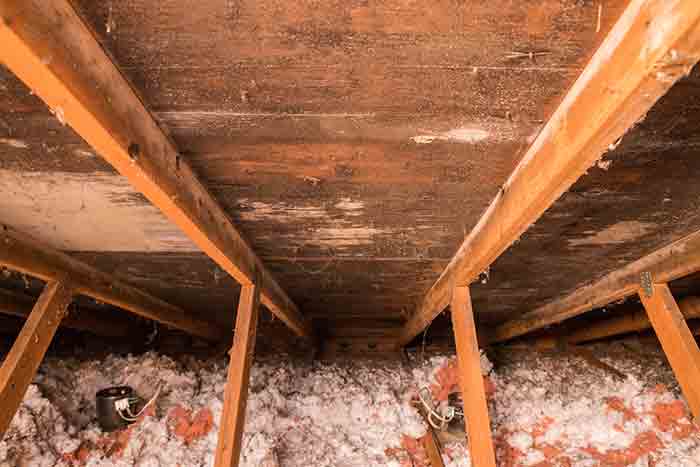
- Attics
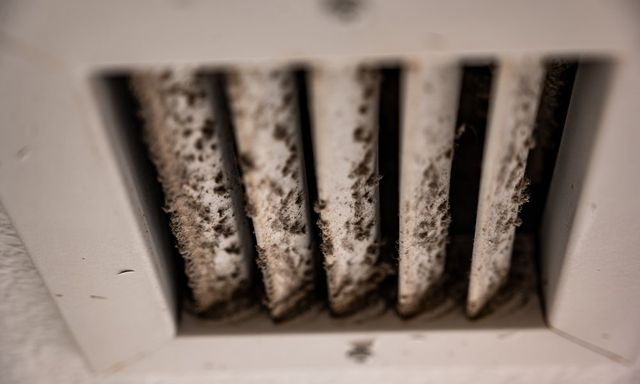
- HVAC systems and air handlers
- Around AC vents
- Under sinks
- Behind walls after leaks
- Crawl spaces and garages
Mold often grows out of sight, which is why odors or recurring moisture issues are sometimes the first clue.
What Are the Early Signs of Mold?
Mold isn’t always obvious at first. Common early signs homeowners notice include:
- Musty or earthy odors
- Discoloration on walls or ceilings
- Bubbling or peeling paint
- Persistent humidity indoors
- Condensation on vents or windows
These signs don’t always confirm mold, but they strongly suggest moisture problems that should be checked.
Can Mold Affect Indoor Comfort or Health?
Mold can affect indoor air quality and comfort, especially when it grows in HVAC systems or hidden spaces. Some people notice irritation, congestion, headaches, or discomfort that feels worse indoors.
Symptoms alone don’t confirm mold, and mold isn’t automatically dangerous. The focus should always be on identifying moisture issues rather than assuming health effects.
Is All Mold Dangerous or “Toxic”?
No. A common myth is that all mold is toxic. In reality, mold varies widely depending on moisture levels, location, and duration.
What matters most is how much mold is present and why it’s growing. Moisture control is far more important than the specific mold type.
Does Bleach Kill Mold Permanently?
Bleach may remove surface staining on non-porous materials, but it does not permanently solve mold problems. On porous materials like drywall, wood, or insulation, bleach doesn’t reach mold growth beneath the surface.
If moisture remains, mold often returns—sometimes worse than before.
When Is DIY Mold Cleanup Okay?
Very small mold areas on non-porous surfaces, such as tile, may be manageable if the moisture source is fixed and the area dries completely.
DIY cleanup usually isn’t effective when:
- Mold keeps returning
- Mold appears after water damage
- Mold is inside walls, attics, or HVAC systems
- Odors persist without visible growth
In these cases, professional evaluation is often the safer choice.
How Quickly Does Mold Grow After Water Damage?
In Florida’s climate, mold can begin developing within a few days if materials remain wet. Drying speed is critical.
Even if surfaces appear dry, moisture can stay trapped behind walls, under flooring, or in insulation—allowing mold to grow unseen.
What Does a Professional Mold Inspection Involve?
A professional mold inspection looks beyond visible growth. Inspectors assess moisture sources, use moisture detection tools, and examine areas where mold commonly hides.
When appropriate, air or surface sampling may be used to better understand indoor conditions. The main goal is identifying why mold is present and how to stop it from returning.
Local professionals such as Brevard Mold Inspections & Removal understand Melbourne construction styles, climate patterns, and common moisture issues throughout Brevard County.
How Is Mold Properly Removed?
Proper mold remediation focuses on:
- Fixing moisture problems
- Using containment to prevent spread
- Cleaning or removing affected materials
- Improving ventilation and humidity control
Removing visible mold without correcting moisture usually leads to repeat problems.
How Can Melbourne Homeowners Prevent Mold?
Mold prevention in Brevard County is about consistent moisture control. Helpful steps include:
- Keeping indoor humidity levels controlled
- Maintaining AC systems and drain lines
- Using exhaust fans in bathrooms and kitchens
- Repairing leaks promptly
- Inspecting attics and crawl spaces after storms
- Addressing water damage quickly
Prevention is always easier than remediation.
Why Does Local Experience Matter?
Mold behavior in Florida is different from cooler or drier regions. High humidity, slab foundations, coastal weather, and year-round AC use create unique challenges.
Homes in Melbourne face different moisture patterns than coastal areas like Cocoa Beach or river-adjacent communities like Merritt Island. Local experience ensures solutions are practical and tailored to Brevard County conditions.
When Should a Homeowner Seek Professional Help?
It’s time to consider professional help when:
- Mold keeps coming back
- Odors persist without visible mold
- Mold follows water damage or storms
- HVAC systems may be involved
- Moisture sources aren’t obvious
A professional inspection provides clarity and direction without guesswork.
A Clear, Calm Takeaway for Homeowners
Mold questions are common in Melbourne—and most mold concerns have practical, manageable solutions. Understanding how mold grows, recognizing moisture issues early, and knowing when to seek help makes a big difference.
With proper maintenance and informed decisions, homeowners can reduce mold risk and maintain comfortable indoor conditions throughout Brevard County.
Images for This Article