Mold Removal in Cape Canaveral: What Homeowners in Brevard County Should Know
Living in Cape Canaveral means ocean air, coastal views, and a laid-back beachside lifestyle—but it also means living in one of the most moisture-heavy environments in Brevard County. High humidity, salt air, frequent storms, and constant air-conditioning use create conditions where mold can develop quietly inside homes. When mold shows up, homeowners often wonder how serious it is and what proper mold removal actually involves.
Mold removal in Cape Canaveral isn’t about panic or extreme measures. It’s about understanding why mold grows so easily here, how it spreads inside coastal homes, and how to remove it correctly so it doesn’t come back. With the right approach, mold problems can be handled calmly, effectively, and without unnecessary disruption.
Why Mold Is Common in Cape Canaveral Homes
Cape Canaveral’s coastal location plays a major role in mold development. Moisture is constantly present in the air, even on days without rain. That moisture slowly works its way into homes through doors, windows, roofs, and ventilation systems.
Local conditions that increase mold risk include:
- High coastal humidity year-round
- Salt air that degrades seals and building materials
- Wind-driven rain during storms and hurricanes
- Long AC run times creating condensation
- Homes kept closed and air-conditioned most of the year
Because drying happens more slowly in coastal environments, even small moisture issues can turn into mold problems if they aren’t addressed promptly.
How Mold Typically Starts in Cape Canaveral Homes
Most mold problems don’t start with dramatic flooding. In Cape Canaveral, mold usually develops from small, ongoing moisture issues that go unnoticed.
Common starting points include:
- Roof leaks after storms
- Plumbing leaks inside walls or under sinks
- AC condensate drain line backups
- Poor bathroom or kitchen ventilation
- Moisture intrusion around windows and sliding doors
Once moisture lingers, mold spores—already present in Florida’s air—settle and begin growing on drywall, wood, insulation, and flooring.
Signs Mold Removal May Be Needed
Many homeowners don’t see mold right away. Instead, they notice subtle changes that suggest moisture problems.
Common warning signs include:
- Persistent musty or earthy odors
- Discoloration on walls or ceilings
- Peeling paint or bubbling drywall
- Warped or soft flooring
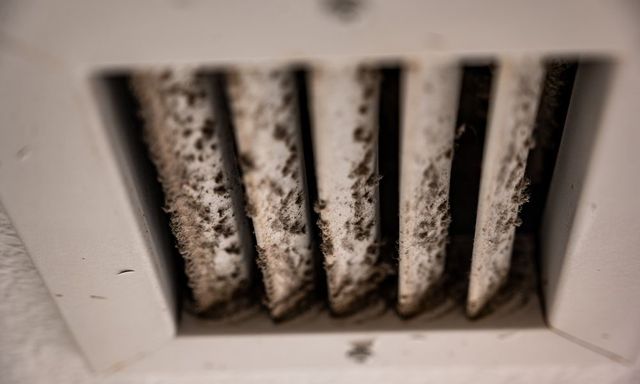
- Condensation around AC vents or windows
These signs don’t always mean mold is widespread, but they do indicate moisture conditions that allow mold to grow.
Hidden Mold: A Common Issue in Coastal Homes
One of the biggest challenges in Cape Canaveral homes is hidden mold. Coastal moisture often finds its way into areas homeowners rarely inspect.
Mold is frequently found:
- Behind bathroom and kitchen walls
- Beneath laminate, vinyl, or tile flooring
- Inside attics after roof leaks
- Around HVAC air handlers and ductwork
- Behind cabinets and vanities
Because mold doesn’t need light, it can grow for weeks or months before becoming visible.
Why DIY Mold Cleanup Often Fails
Many homeowners attempt to clean mold themselves using bleach or household cleaners. While this may remove surface stains, it rarely solves the real problem.
DIY mold cleanup often fails because:
- Bleach doesn’t penetrate porous materials
- Moisture sources remain unresolved
- Scrubbing can spread spores into the air
- Hidden mold continues growing
In Cape Canaveral’s humid climate, mold almost always returns if moisture isn’t corrected.
What Proper Mold Removal Actually Involves
Professional mold removal is a structured process focused on removal and prevention, not just appearance.
A proper mold removal approach includes:
- Containment to prevent spores from spreading
- Identifying and correcting moisture sources
- Removing contaminated porous materials
- Cleaning and treating remaining surfaces
- Ensuring affected areas dry completely
Each step is critical. Skipping moisture correction almost guarantees mold will come back.
Mold Removal vs Mold Remediation Explained Simply
Homeowners often hear “mold removal” and “mold remediation” used interchangeably. In practice, remediation is the more complete process.
Mold removal focuses on eliminating existing growth.
Mold remediation includes removal plus fixing the conditions that allowed mold to grow.
In Cape Canaveral homes, remediation is often necessary because coastal humidity makes repeat growth likely without moisture control.
The Role of Mold Inspection Before Removal
Before mold removal begins, a professional inspection helps determine the extent of the problem and where moisture is coming from.
Inspections typically involve:
- Visual assessment of affected areas
- Moisture detection behind walls, floors, and ceilings
- Evaluation of HVAC systems and ventilation
- Inspection of attics and structural areas
- Targeted testing when appropriate
This ensures mold removal is accurate and not limited to what’s visible.
Brevard Mold Inspections & Removal approaches inspections with a calm, homeowner-focused mindset—providing clear information without exaggeration or pressure.
Why Timing Matters With Mold Removal
Mold spreads over time. The longer moisture remains, the more materials can be affected.
Delaying mold removal can lead to:
- More extensive material removal
- Persistent odors
- Increased moisture damage
- Higher repair costs
Early action usually means simpler, more contained solutions.
Preventing Mold After Removal in Cape Canaveral
Once mold is properly removed, prevention becomes the priority—especially in a coastal environment.
Effective prevention steps include:
- Regular AC maintenance and drain cleaning
- Using exhaust fans during and after showers
- Monitoring indoor humidity levels
- Inspecting attics and ceilings after storms
- Sealing gaps around windows and doors
- Addressing leaks immediately
Consistency matters more than extreme measures in Florida’s climate.
Why Coastal Homes Require a Different Approach
Mold removal in Cape Canaveral is different from mold removal inland. Coastal humidity, salt air, and storm exposure change how moisture behaves inside homes.
Local professionals understand:
- How wind-driven rain enters structures
- How salt air affects roofs and seals
- How AC systems behave in coastal humidity
- Where mold commonly hides in beachside homes
Brevard Mold Inspections & Removal brings that local Cape Canaveral experience into every mold removal plan, focusing on long-term stability rather than temporary fixes.
Mold Removal and Insurance Considerations
In some cases, mold removal follows water damage from storms or plumbing failures. Insurance coverage often depends on the cause of moisture, not just the presence of mold.
Professional inspections and documentation help homeowners understand their situation clearly and avoid assumptions about coverage.
A Calm, Practical Path Forward for Homeowners
Finding mold in a Cape Canaveral home can feel overwhelming—but it doesn’t have to be. Mold removal is most effective when it’s based on understanding moisture conditions rather than reacting to surface growth alone.
If you’re noticing musty odors, recurring mold, or signs of moisture in your home, a professional evaluation can provide clarity. Proper mold removal, combined with moisture control, helps protect your home and prevents repeat problems—allowing you to enjoy coastal living in Brevard County with confidence.