

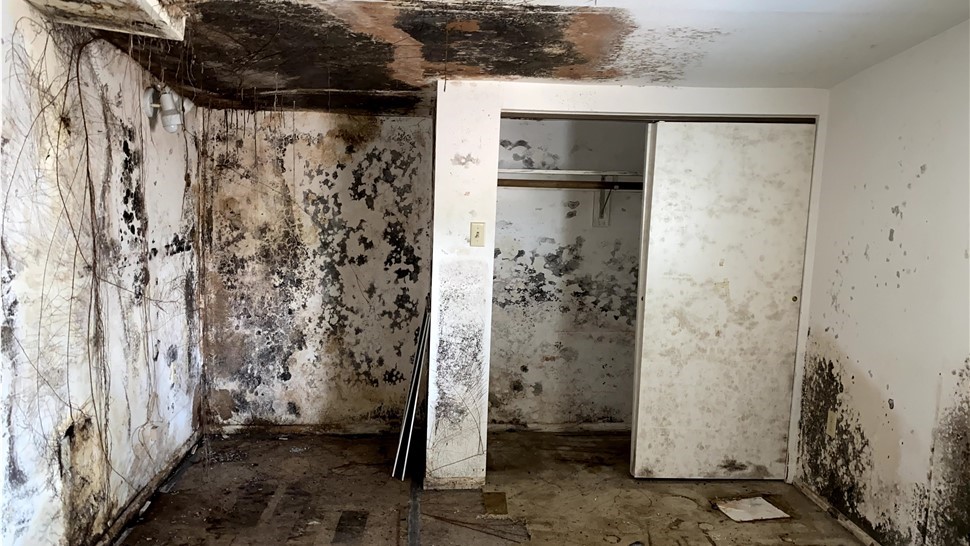
Hidden Mold Problems in West Melbourne: What Homeowners in Brevard County Should Know
Hidden mold is one of the most frustrating problems homeowners in West Melbourne deal with because it rarely announces itself clearly. There’s no dramatic flood, no obvious black patches on the wall, and no single moment where something feels “wrong.” Instead, the home just feels off. A musty smell that won’t go away. A room that always feels damp. An AC that runs constantly but never seems to fully dry the house.
In Brevard County, hidden mold is far more common than visible mold. West Melbourne homes are especially vulnerable due to high humidity, slab foundations, heavy summer storms, and year-round air conditioning. Understanding where mold hides, why it’s so often missed, and how it quietly spreads helps homeowners address the real problem instead of chasing surface symptoms.
What Hidden Mold Actually Means
Hidden mold refers to mold growth that develops out of sight, inside building materials or structural cavities. It’s not growing openly on a wall or ceiling where you can easily spot it.
Instead, it grows behind drywall, under flooring, above ceilings, inside attics, within HVAC systems, or inside wall cavities where moisture has been present. Homeowners often don’t realize mold is there until secondary signs appear.
In West Melbourne homes, hidden mold is often the rule, not the exception.
Why Hidden Mold Is So Common in West Melbourne
West Melbourne shares the same climate challenges as the rest of Brevard County. Humidity stays high for much of the year, even when it hasn’t rained recently. This slows drying and allows moisture to linger inside walls and floors.
Summer storms and tropical systems bring heavy rain and wind-driven moisture. Water can enter through roofs, windows, doors, and small exterior gaps without causing immediate visible damage.
Slab foundations also play a role. Moisture from saturated ground can migrate upward, affecting flooring and lower walls without any obvious leak. Combine that with constant AC use and you have conditions where moisture moves quietly and mold follows.
Common Places Mold Hides in Homes
Behind drywall is one of the most common locations. A small roof leak, plumbing issue, or window intrusion can allow water into wall cavities, where it spreads downward and sideways.
Under flooring is another major problem area. Carpet, laminate, and wood flooring can trap moisture underneath, especially after spills, leaks, or high humidity. Mold may grow below the surface long before floors feel soft or look damaged.
Attics frequently harbor hidden mold. Poor ventilation, roof leaks, or bathroom fans venting into the attic create ideal conditions for mold on roof decking and framing.
HVAC systems are another frequent hiding place. Mold can grow inside air handlers, drain pans, ductwork, and insulation where condensation is present.
Early Signs of Hidden Mold
Hidden mold often reveals itself through subtle changes rather than obvious damage. One of the most common signs is a persistent musty or damp odor that doesn’t improve with cleaning or air fresheners.
Rooms may feel more humid than others, even when the AC is running normally. Some areas of the home may never seem to fully dry.
Homeowners may also notice bubbling or peeling paint, warped baseboards, or slight discoloration on walls or ceilings. These signs usually appear after moisture has been present for some time.
Why Hidden Mold Is Often Missed
Most homeowners focus on what they can see. If there’s no visible mold, it’s easy to assume everything is fine.
In Florida homes, moisture often travels through building materials without leaving clear surface damage. Drywall can look normal while mold grows on the back side. Flooring can look intact while moisture and mold sit underneath.
By the time visible mold appears, hidden growth is often already established and widespread.
How Water Damage Leads to Hidden Mold
Hidden mold often starts after water events that seem minor. A small plumbing leak, a brief roof leak during a storm, or an overflowing AC drain line can introduce enough moisture to start the process.
If water isn’t fully dried or moisture isn’t detected inside materials, mold can begin growing within 24 to 48 hours in Florida’s climate.
In West Melbourne homes, many hidden mold problems trace back to water damage that homeowners thought had already been resolved.
The Role of Humidity in Hidden Mold Growth
Hidden mold doesn’t always require a leak. High indoor humidity alone can be enough.
When humidity stays elevated, moisture condenses on cooler surfaces inside walls, attics, and HVAC systems. Over time, materials absorb that moisture and remain damp.
Closets, exterior walls, HVAC closets, and attics are especially vulnerable in humid conditions. Because these spaces have limited airflow, moisture dries very slowly.
Why DIY Cleaning Doesn’t Solve Hidden Mold
DIY mold cleanup usually focuses on visible areas. Scrubbing a wall, spraying a cleaner, or repainting may improve appearance, but it doesn’t address what’s happening behind surfaces.
Hidden mold continues to grow as long as moisture is present. In some cases, DIY efforts disturb mold and spread spores into other parts of the home, especially through HVAC systems.
Without finding and correcting the moisture source, hidden mold problems almost always return.
How Hidden Mold Affects the Rest of the Home
Even when mold is hidden, it can still impact indoor conditions. Odors can move through walls and ductwork. Moisture can spread into adjacent materials.
Air from attics, crawl spaces, and wall cavities can enter living spaces through small gaps. When mold is present in these areas, it can influence comfort throughout the home.
In West Melbourne homes, hidden mold is often the reason a house feels damp or musty even when everything looks clean.
Professional Mold Inspection for Hidden Problems
A professional mold inspection is designed to uncover what homeowners can’t see. Inspections focus on moisture detection and building conditions, not just visible mold.
Moisture meters and thermal imaging tools help identify damp drywall, flooring, and ceilings. Inspectors examine attics, HVAC systems, and areas with past water damage.
When appropriate, air or surface sampling may be used to support findings. The goal is to understand the scope of the issue and its cause, not to alarm.
Clear information allows homeowners to make informed decisions.
Proper Mold Remediation for Hidden Mold
Effective remediation addresses both mold removal and moisture control. Containment is used to prevent mold spores from spreading during work.
Mold-affected materials may need to be removed when growth is extensive or deeply embedded. Salvageable areas are cleaned using appropriate methods.
Correcting moisture sources is critical. This may involve plumbing repairs, roof repairs, HVAC adjustments, ventilation improvements, or humidity control.
Brevard Mold Inspections & Removal approaches hidden mold problems with a long-term prevention mindset rather than surface-level fixes.
Preventing Hidden Mold in West Melbourne Homes
Prevention starts with moisture awareness. Any water intrusion, no matter how small, should be dried thoroughly and monitored.
Regular AC maintenance helps prevent condensation-related moisture issues. Using exhaust fans consistently reduces indoor humidity.
After storms, attics, ceilings, and areas around windows and doors should be checked promptly. Monitoring indoor humidity helps catch problems early.
In Brevard County’s climate, prevention is an ongoing process.
Why Local Experience in Brevard County Matters
Hidden mold behaves differently in Florida than in drier regions. West Melbourne homes face slab foundations, heavy storms, and constant humidity that generic advice often ignores.
Local experience means knowing where hidden mold typically develops and how moisture moves through homes in this area.
Professionals familiar with Brevard County conditions can identify risks early and recommend solutions that actually work long-term.
A Calm, Practical Takeaway
Hidden mold problems are common in West Melbourne, but they don’t have to become overwhelming. The key is recognizing subtle warning signs and addressing moisture before mold spreads further.
If your home smells musty, feels damp, or has a history of water issues, hidden mold may be part of the picture. A professional inspection can provide clarity and peace of mind.
Homeowners throughout Brevard County benefit from understanding what’s happening behind the walls, not just what’s visible. Brevard Mold Inspections & Removal helps homeowners identify hidden mold risks and take practical steps to protect their homes before small issues turn into major repairs.