Toxic Mold in Palm Bay: What Homeowners in Brevard County Should Know
Hearing the words “toxic mold” can make any homeowner uneasy. In Palm Bay, where humidity is high and rain is frequent, concerns about mold come up often—especially when dark or persistent growth appears indoors. The good news is that most mold situations in Brevard County are manageable when they’re understood correctly and handled the right way.
“Toxic mold” is a term that’s widely used, but often misunderstood. In Palm Bay homes, the real issue is rarely the label—it’s moisture. Understanding what people mean by toxic mold, why it shows up locally, where it hides, and how professionals address it can help homeowners move forward calmly and confidently.
What Homeowners Usually Mean by “Toxic Mold”
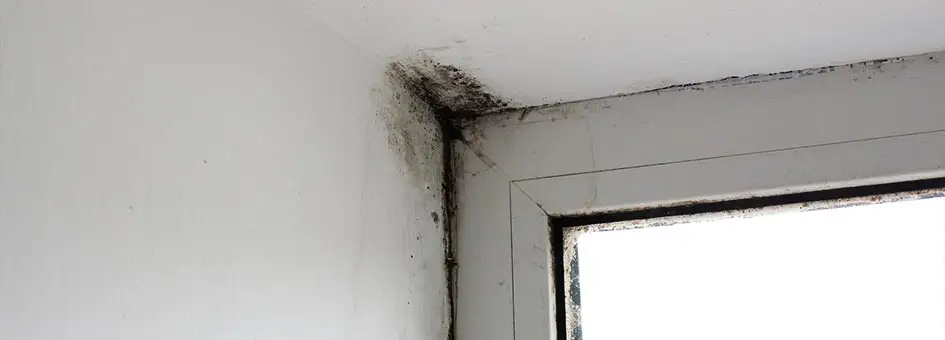
“Toxic mold” isn’t a scientific classification. Homeowners typically use the term to describe mold they believe may be harmful, especially when it’s dark, spreading, or associated with long-term moisture.
What matters far more than the name is:
- How long moisture has been present
- Where mold is growing
- Whether growth is ongoing or contained
- How widespread the problem is
In Palm Bay, mold concerns usually point back to persistent humidity or water intrusion, not a sudden or mysterious event.
Why Mold Concerns Are Common in Palm Bay
Palm Bay’s environment creates steady moisture pressure on homes. Even without flooding, indoor conditions can easily support mold growth.
Local factors include:
- High humidity most of the year
- Frequent afternoon rainstorms
- Slab foundations that retain moisture beneath flooring
- Long AC run times creating condensation
- Homes kept closed and air-conditioned for comfort
When moisture doesn’t dry quickly or fully, mold has time to grow, mature, and spread.
Where Problematic Mold Is Often Found in Palm Bay Homes
Mold that raises concern is usually found in areas that stay damp or have limited airflow.
Common locations include:
- Bathrooms, especially ceilings and grout
- Behind drywall near plumbing leaks
- Under sinks and inside cabinets
- Beneath laminate or vinyl flooring
- Attics after roof leaks
- Around HVAC air handlers and ductwork
Visible growth is often just the surface sign of a deeper moisture issue.
How Mold Becomes a Bigger Concern Over Time
Mold doesn’t become a problem overnight. In most Palm Bay homes, it develops gradually as moisture remains present longer than it should.
Typical scenarios include:
- Small plumbing leaks inside walls
- Roof leaks after heavy rain
- Poor bathroom ventilation
- AC condensate drain backups
- Condensation around vents or ductwork
As mold continues feeding on damp materials like drywall, wood, insulation, and dust, it becomes more noticeable and harder to ignore.
Early Warning Signs Homeowners Often Miss
Before mold becomes widespread, there are usually signs that moisture is present.
Common early indicators include:
- Musty or earthy odors
- Condensation that lingers on windows or vents
- Bubbling paint or peeling drywall
- Flooring that feels soft or warped
- Odors that worsen when the AC runs
These signs don’t automatically mean a serious mold problem—but they do signal conditions that should be addressed.
Hidden Mold: A Major Issue in Palm Bay
One of the biggest challenges with mold concerns is hidden growth. Many Palm Bay homes have areas where moisture can linger without being seen.
Hidden mold is commonly found:
- Inside wall cavities
- Beneath flooring on slab foundations
- Inside attic insulation
- Behind bathroom and kitchen walls
- Inside HVAC systems
Because mold doesn’t need light, it can grow for weeks or months before surface signs appear.
Is “Toxic Mold” Different From Other Mold?
Color or name alone doesn’t determine how serious a mold issue is. Dark mold often draws attention because it suggests moisture has been present for a while—not because it’s automatically more dangerous.
The real factors that matter are:
- Extent of growth
- Duration of moisture exposure
- Whether mold is hidden or spreading
- Impact on indoor air quality
In Palm Bay homes, uncontrolled moisture is the real concern—not the label used to describe the mold.
Why DIY Cleanup Can Make Mold Problems Worse
Many homeowners attempt to clean mold themselves using bleach or store-bought sprays. While this may improve appearance temporarily, it rarely solves the underlying problem.
DIY cleanup often fails because:
- Bleach doesn’t penetrate porous materials
- Moisture sources are not corrected
- Scrubbing spreads spores into the air
- Hidden mold continues growing
In Florida’s humid environment, mold almost always returns if moisture remains.
What Proper Mold Evaluation and Removal Involves
Proper handling of concerning mold focuses on identifying moisture and addressing the full scope of growth, not just surface cleaning.
A professional approach typically includes:
- Identifying and correcting moisture sources
- Containing affected areas to prevent spread
- Removing contaminated porous materials
- Cleaning remaining surfaces appropriately
- Thorough drying and moisture control
Skipping moisture correction is the most common reason mold comes back.
The Role of Mold Inspections in Serious Mold Concerns
A professional mold inspection helps determine:
- Whether growth is isolated or widespread
- Where moisture is entering the home
- Whether hidden mold is present
- What level of removal is actually needed
Inspections remove guesswork and prevent unnecessary or incomplete cleanup.
Brevard Mold Inspections & Removal works with Palm Bay homeowners using a calm, factual approach—focusing on conditions and solutions rather than fear-based assumptions.
Mold and Past Water Damage in Palm Bay Homes
In many cases, concerning mold appears weeks or months after water damage, even if the damage seemed minor.
Common scenarios include:
- Roof leaks that were repaired but not fully dried
- Plumbing leaks that went unnoticed
- Storm-related water intrusion
- AC issues causing ongoing condensation
Mold often becomes visible long after the original moisture event.
Preventing Mold Problems Going Forward
Prevention in Palm Bay is about moisture awareness and consistency—not aggressive treatments.
Effective prevention steps include:
- Regular AC maintenance and drain line checks
- Using bathroom exhaust fans consistently
- Monitoring indoor humidity levels
- Inspecting attics and ceilings after storms
- Addressing leaks immediately
- Ensuring proper ventilation throughout the home
Small, routine actions make a big difference in Florida’s climate.
Why Local Palm Bay Experience Matters
Mold behaves differently in Florida than in dry or cold regions. Palm Bay homes face unique challenges related to humidity, slab construction, and storm exposure.
Local professionals understand:
- Where moisture typically hides in Brevard County homes
- How slab foundations contribute to mold growth
- How AC systems affect indoor humidity
- How storms lead to hidden moisture problems
Brevard Mold Inspections & Removal brings that Palm Bay–specific experience into every inspection and remediation plan, focusing on long-term stability rather than surface fixes.
A Calm, Practical Takeaway for Homeowners
“Toxic mold” concerns in Palm Bay are common—but they’re rarely unmanageable. Most serious mold issues trace back to moisture that stayed too long and can be resolved when handled properly.
If you’re noticing persistent odors, recurring mold, or signs of moisture that don’t go away, a professional evaluation can provide clarity. Understanding why mold is present is the most important step toward resolving it and preventing future issues—helping you protect your home and stay comfortable in Brevard County.