

Mold Inspection in Melbourne: What Homeowners in Brevard County Should Know
For many homeowners in Melbourne, a mold inspection becomes necessary when something in the home just doesn’t feel right. Maybe there’s a musty smell that won’t go away, a history of water damage, or visible mold that keeps coming back no matter how often it’s cleaned. In Brevard County’s warm, humid climate, these concerns are common and completely valid.
A mold inspection is not about panic or worst-case assumptions. It’s about understanding what’s actually happening inside your home, where moisture is present, and whether mold is developing in visible or hidden areas. In Melbourne homes, mold inspections often uncover issues long before they turn into major repairs.
Why Mold Inspections Are So Common in Melbourne
Melbourne experiences high humidity for much of the year, frequent heavy rain, and seasonal storms that push moisture into homes in subtle ways. Even without flooding, moisture can enter through roofs, windows, plumbing systems, and HVAC equipment.
Most homes in Melbourne rely on air conditioning nearly year-round. While AC helps control humidity, it also creates condensation. Clogged drain lines, overflowing pans, or ductwork sweating in humid conditions can introduce moisture into walls, ceilings, and closets.
Slab foundations, common throughout Brevard County, can also allow moisture to migrate upward from the ground after prolonged rain. All of these factors make mold inspections a practical step for many homeowners, not an unusual one.
What a Mold Inspection Actually Is
A mold inspection is a structured evaluation of a home to identify moisture conditions and potential mold growth. It’s not just a visual check for obvious mold spots.
The primary goal is to find where moisture is present, how long it may have been there, and whether it has created conditions for mold to grow. Visible mold is only part of the picture. In Florida homes, mold often grows behind surfaces long before it becomes visible.
A proper inspection focuses on causes, not just symptoms.
Common Reasons Homeowners Schedule a Mold Inspection
Many Melbourne homeowners schedule inspections after water damage, even if it seemed minor at the time. A roof leak, plumbing issue, or AC malfunction can introduce moisture that isn’t fully dried.
Persistent musty odors are another common reason. Smells that return after cleaning often indicate hidden moisture or mold growth.
Some inspections happen during real estate transactions. Buyers want to understand the condition of the home, and sellers want clarity before closing.
Others schedule inspections simply because humidity feels unusually high or certain rooms never seem to dry out.
Areas Typically Checked During a Mold Inspection
Bathrooms are a major focus due to frequent moisture and steam. Inspectors look at ceilings, walls, under sinks, and exhaust fan performance.
HVAC systems are carefully evaluated. Air handlers, drain pans, coils, ductwork, and nearby building materials are common mold locations in Florida homes.
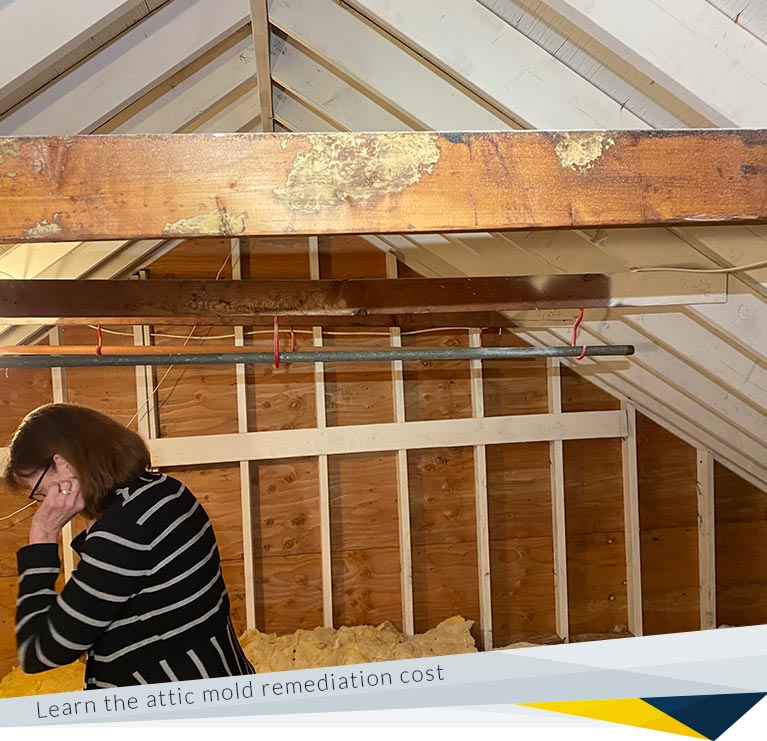
Attics are another critical area. Poor ventilation, roof leaks, and bathroom fans venting into the attic often lead to mold on roof decking and framing.
Walls and flooring in areas with past water damage are also inspected. Moisture can remain trapped behind drywall or under floors long after surfaces appear dry.
The Role of Moisture Detection Tools
One of the biggest differences between a professional mold inspection and a basic walkthrough is moisture detection.
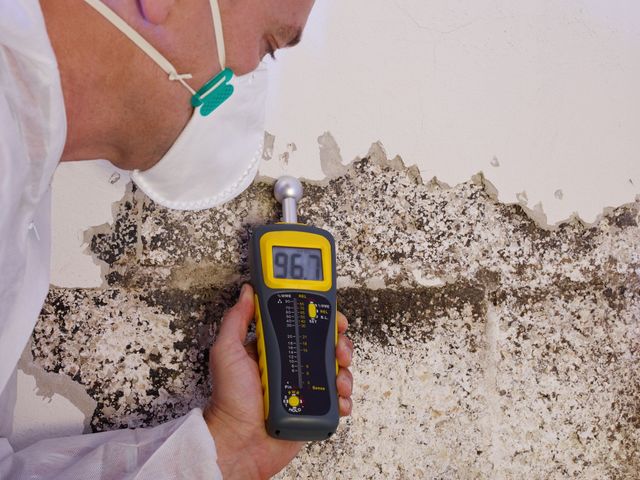
Moisture meters help identify damp drywall, wood, and flooring that don’t feel wet to the touch. Thermal imaging can highlight temperature differences that suggest hidden moisture behind walls or ceilings.
These tools are especially important in Melbourne homes, where humidity and slab foundations make moisture movement difficult to see. Without them, many mold problems remain hidden.
When Mold Testing Is Used
Mold testing is not always necessary, but it can be useful in certain situations. Testing may be recommended when mold is suspected but not visible, when documentation is needed, or when homeowners want more information about indoor conditions.
Air sampling can help identify elevated mold levels in living spaces. Surface sampling may be used to confirm suspected mold growth on materials.
Testing supports inspection findings, but it does not replace identifying moisture sources. Moisture control is always the priority.
What a Mold Inspection Does Not Do
A mold inspection does not diagnose health conditions or make medical claims. Its purpose is to assess the building and moisture conditions, not people.
It also does not automatically mean expensive remediation is needed. In many cases, inspections reveal manageable issues that can be addressed early.
An inspection is an information-gathering step designed to replace uncertainty with clarity.
Common Findings in Melbourne Mold Inspections
In Melbourne homes, inspectors often find moisture related to AC systems, including clogged drain lines or condensation issues.
Attic moisture from poor ventilation or roof leaks is another frequent finding. Bathroom ventilation problems are also common, especially when fans are undersized or not vented outdoors.
Hidden moisture behind drywall near windows, plumbing fixtures, or exterior walls is often discovered, even when no visible damage exists.
These findings help homeowners focus on the real causes of mold risk rather than surface symptoms.
Why DIY Checks Often Miss Mold Problems
Homeowners usually look for visible mold, but in Florida homes, that’s rarely enough. Mold often grows on the back side of drywall, inside insulation, or within HVAC systems.
DIY checks also can’t measure moisture levels inside materials. A wall may look fine while being damp enough to support mold growth inside.
This is why mold inspections frequently uncover issues homeowners didn’t know existed.
Mold Inspection vs. Mold Remediation
A mold inspection is an evaluation, not a cleanup. It identifies conditions, risks, and areas of concern.
Mold remediation is the process of removing mold and correcting moisture issues when needed. Not every inspection leads to remediation, but inspections help determine when remediation makes sense.
Separating these steps helps homeowners make informed decisions rather than guessing.
When a Mold Inspection Is Especially Important
After water damage or storms, inspections help verify that moisture has been fully addressed.
Before buying or selling a home, inspections provide transparency and reduce surprises.
When mold keeps returning despite cleaning, inspections help identify hidden causes.
When a home feels persistently damp or musty, inspections help explain why.
Why Local Experience in Brevard County Matters
Mold behavior in Melbourne is shaped by local climate, construction styles, and weather patterns. Advice that works in dry climates often fails in Florida.
Local experience means understanding slab foundations, coastal humidity, attic heat buildup, and HVAC-related moisture issues common in Brevard County homes.
Professionals familiar with local conditions know where to look and what problems are most likely to occur.
A Calm, Practical Next Step
If you’re considering a mold inspection in your Melbourne home, the goal is simple: clarity. Understanding moisture conditions early helps prevent bigger problems later.
A professional inspection can confirm whether mold is present, identify hidden moisture, and outline practical next steps without pressure or exaggeration.
Homeowners throughout Brevard County benefit from accurate information and early detection. Brevard Mold Inspections & Removal helps homeowners understand their homes, address moisture issues responsibly, and protect their property long-term.
A mold inspection isn’t about finding something wrong. It’s about knowing what’s right, what needs attention, and how to move forward with confidence.