

Mold Removal in Cocoa: What Homeowners in Brevard County Should Know
Mold removal is one of the most misunderstood home services in Cocoa. Many homeowners think it’s just about scrubbing visible mold off a wall or spraying something strong and calling it done. In Brevard County’s humid climate, that approach almost always leads to mold coming back — sometimes worse than before.
Cocoa homes face a constant mix of high humidity, heavy rain, storms, slab foundations, and year-round air conditioning. Mold removal here isn’t just a cleaning task. It’s a process that requires understanding moisture, building materials, and how mold actually behaves in Florida homes. Knowing what proper mold removal really involves helps homeowners avoid wasted money, repeat problems, and unnecessary damage.
What Mold Removal Really Means
Mold removal is the process of safely addressing mold growth and correcting the conditions that allowed it to develop. It’s not just about what you can see.
Visible mold is often only a small part of the issue. In Cocoa homes, mold frequently grows behind drywall, under flooring, above ceilings, and inside HVAC systems. Removing surface mold without addressing hidden growth and moisture almost guarantees the problem will return.
Proper mold removal focuses on containment, targeted removal, and long-term moisture control.
Why Mold Removal Is Common in Cocoa Homes
Cocoa’s location near the coast and rivers keeps humidity high most of the year. Even during dry weather, moisture in the air slows drying and allows damp materials to stay wet longer.
Storms and heavy rainfall add another layer of risk. Wind-driven rain can enter through roofs, windows, doors, and small exterior gaps without obvious flooding. Moisture often reaches wall cavities and attics before any interior damage is visible.
Air conditioning systems also play a major role. Clogged drain lines, overflowing pans, or duct condensation introduce moisture into walls, ceilings, and closets. Slab foundations can allow moisture to migrate upward after prolonged rain.
All of these factors make mold removal a common necessity in Cocoa.
Common Places Mold Is Found During Removal Projects
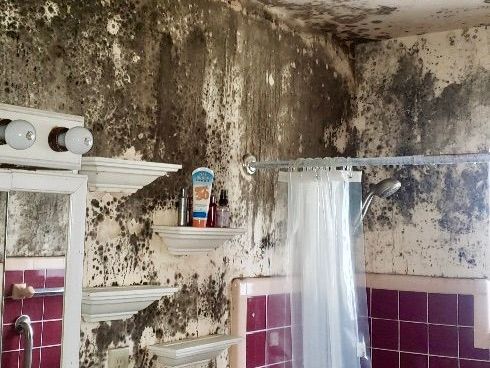
Bathrooms are one of the most frequent areas. Steam from showers combined with poor ventilation allows mold to grow on ceilings, behind tile, and inside walls.
Behind drywall is another common location. A small visible patch often indicates larger growth inside the wall cavity from leaks or humidity.
HVAC systems are also frequent problem areas. Mold may be present in air handlers, drain pans, coils, ductwork, and nearby insulation.
Attics commonly require mold removal due to roof leaks, poor ventilation, or bathroom fans venting into attic spaces.
Under flooring, especially carpet, laminate, and wood, moisture can remain trapped long enough for mold to grow unnoticed.
Why DIY Mold Removal Usually Fails
DIY mold removal typically focuses on surface cleaning. Bleach, sprays, and scrubbing may remove stains, but they rarely remove mold inside porous materials.
Drywall, wood, insulation, and grout backing absorb moisture. Mold grows into these materials, where surface cleaners cannot reach.
DIY efforts also disturb mold without containment. Scrubbing releases spores into the air, allowing them to spread through the home, especially via HVAC systems.
In Cocoa homes, DIY mold removal often turns a localized issue into a widespread one.
The Role of Moisture in Mold Removal
Mold cannot exist without moisture. If moisture conditions remain unchanged, mold removal is temporary at best.
Common moisture sources include roof leaks, plumbing leaks, AC condensation, poor ventilation, window intrusion, and high indoor humidity. In some Cocoa homes, humidity alone is enough to support mold growth.
Proper mold removal always includes identifying and correcting moisture sources. Without that step, mold almost always returns.
What Professional Mold Removal Involves
Professional mold removal follows a controlled process. Containment is set up to prevent mold spores from spreading during work.
Affected materials are evaluated to determine whether they can be cleaned or need to be removed. Drywall, insulation, or flooring may need removal when mold penetration is deep.
Salvageable surfaces are cleaned using appropriate methods designed for mold, not just household cleaners.
Just as important, moisture issues are corrected. This may include plumbing repairs, roof repairs, HVAC adjustments, ventilation improvements, or humidity control.
Brevard Mold Inspections & Removal approaches mold removal with a prevention-focused mindset, not just cosmetic cleanup.
Mold Removal vs. Mold Inspection
Mold removal and mold inspection are different steps. An inspection identifies where mold is present, how extensive it is, and why it developed.
Removal is the action taken once those conditions are understood. Skipping inspection often leads to incomplete removal or missed moisture sources.
In Cocoa homes, inspections frequently reveal hidden mold that homeowners didn’t realize was connected to the visible issue.
How Long Mold Removal Takes
The time required depends on how extensive the problem is. Small, localized issues may be addressed quickly, while larger projects involving walls, attics, or HVAC systems take longer.
Drying time is often part of the process. Even after mold is removed, materials may need time to fully dry once moisture sources are corrected.
Rushing mold removal without proper drying increases the risk of recurrence.
After Mold Removal: What Homeowners Should Expect
After proper mold removal, homeowners often notice reduced musty odors and improved indoor comfort. The home feels drier and more stable.
It’s normal for repairs to be needed after removal, such as replacing drywall or insulation. These repairs are part of restoring the home, not a sign something went wrong.
Preventive steps become important after removal to keep mold from returning.
Preventing Mold After Removal
Prevention starts with moisture management. Using exhaust fans consistently, maintaining AC systems, and addressing leaks promptly all help.
Regular roof and plumbing checks reduce the risk of hidden moisture. Monitoring indoor humidity helps catch problems early.
After storms, attics, ceilings, and areas around windows and doors should be inspected even if no damage is visible.
In Cocoa’s climate, prevention is ongoing, not one-time.
Why Local Experience in Brevard County Matters
Mold removal in Cocoa is shaped by local climate, storms, slab foundations, and building styles. Advice that works in dry regions often fails in Florida homes.
Local experience means understanding where mold typically develops here and how moisture moves through Cocoa homes.
Professionals familiar with Brevard County conditions know how to remove mold in a way that lasts, not just looks good temporarily.
A Calm, Practical Next Step
If you found mold in your Cocoa home, the most important thing is understanding why it’s there and how far it extends. Mold removal should never be rushed or treated as just a cleaning job.
A professional inspection provides clarity and helps ensure removal is done correctly the first time. Homeowners across Brevard County benefit from addressing mold early and focusing on moisture control.
Brevard Mold Inspections & Removal helps homeowners in Cocoa identify mold issues, understand proper removal, and take practical steps to protect their homes long-term.
Handled correctly, mold removal restores not just the appearance of a home, but its stability and comfort as well.