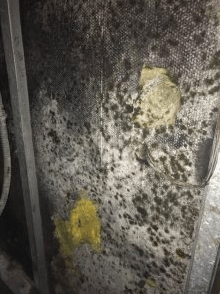
Mold in HVAC Systems in Titusville: What Homeowners in Brevard County Should Know
In Titusville, air conditioning is a daily necessity—not just for comfort, but for managing Florida’s intense humidity. HVAC systems run for long stretches of the year, quietly removing moisture from indoor air. But when something goes wrong, that same system can become one of the most common places mold develops inside a home.
Mold in HVAC systems is especially concerning because the system circulates air throughout the entire house. When mold grows inside air handlers, ductwork, or drain components, it doesn’t stay contained in one room. Understanding why HVAC mold develops in Titusville homes, where it hides, and how it’s properly addressed helps homeowners act early and avoid recurring problems.
Why HVAC Mold Is Common in Titusville Homes
HVAC systems naturally produce moisture as part of the cooling process. In a dry climate, that moisture drains and evaporates quickly. In Titusville’s humid environment, it often doesn’t.
Local factors that increase HVAC mold risk include:
- High year-round humidity
- Long AC run times
- Warm outdoor air meeting cool HVAC surfaces
- Frequent afternoon storms
- Homes kept closed and air-conditioned most of the year
When moisture lingers inside HVAC components, mold spores—already present in Florida air—can begin growing quietly.
Where Mold Commonly Grows Inside HVAC Systems
Mold rarely grows in just one HVAC component. In Titusville homes, it’s often found in multiple areas at the same time.
Common locations include:
- Inside the air handler cabinet
- On evaporator coils
- In condensate drain pans and drain lines
- On insulation inside ductwork
- Around supply and return vents
These areas are dark, cool, and damp—ideal conditions for mold growth if drainage or airflow is compromised.
How Mold Starts Inside HVAC Systems
HVAC mold usually begins with a moisture management issue, not poor housekeeping.
Common triggers include:
- Clogged or slow condensate drain lines
- Standing water in drain pans
- Dirty coils reducing moisture removal
- Poor airflow causing excess condensation
- Improper insulation around ducts
- AC units located in humid garages or closets
Over time, moisture allows mold to attach to dust and organic material inside the system.
Signs Mold May Be Present in Your HVAC System
Homeowners often notice indirect signs before they ever see mold inside HVAC components.
Common warning signs include:
- Musty or damp odors when the AC runs
- Odors strongest near vents or returns
- Increased indoor humidity
- Condensation around vents or ductwork
- Uneven cooling or airflow
These symptoms don’t always confirm mold, but they strongly suggest moisture problems that should be investigated.
Why HVAC Mold Affects the Whole Home
When mold grows inside an HVAC system, air movement can distribute spores and odors throughout the house. This is why HVAC-related mold issues often feel widespread rather than localized.
In Titusville homes, this can result in:
- Persistent musty smells in multiple rooms
- Indoor air that feels stale or heavy
- Difficulty controlling humidity
- Mold odors returning after cleaning vents
The HVAC system becomes the delivery path, even if the growth itself is hidden.
Hidden Mold in Ductwork
Ductwork is one of the most overlooked mold-prone areas. Flexible ducts and insulated ducts are especially vulnerable because insulation can trap moisture.
In Titusville homes, duct-related mold is often caused by:
- Temperature differences creating condensation
- Ducts running through hot attics
- Poorly sealed duct connections
- Insulation breakdown due to humidity
Because ducts aren’t visible, mold can grow unnoticed for long periods.
Why DIY HVAC Cleaning Usually Misses the Problem
Some homeowners attempt to fix HVAC mold concerns by cleaning vents or using sprays. While this may temporarily reduce odors, it rarely solves the real issue.
DIY efforts often fail because:
- Mold is deeper inside the system
- Moisture sources aren’t corrected
- Drainage issues remain
- Duct insulation can’t be effectively cleaned
Without addressing condensation and airflow problems, mold typically returns.
The Role of Professional HVAC Mold Inspections
A professional mold inspection focuses on identifying where moisture is present and why—not just visible mold.
An HVAC-focused inspection typically includes:
- Visual assessment of air handlers and cabinets
- Moisture detection around HVAC components
- Inspection of condensate drain pans and lines
- Evaluation of ductwork and insulation
- Assessment of airflow and ventilation
The goal is to understand whether mold is present, what caused it, and how to prevent recurrence.
Brevard Mold Inspections & Removal approaches HVAC mold concerns in Titusville with a calm, methodical process—helping homeowners understand conditions without unnecessary alarm.
How Mold Is Properly Addressed in HVAC Systems
Proper HVAC mold remediation focuses on removal and prevention, not just surface cleaning.
A correct approach may include:
- Cleaning or replacing contaminated components
- Correcting condensate drainage issues
- Improving airflow and humidity control
- Addressing insulation or duct problems
- Ensuring the system can dry properly during operation
In some cases, duct sections or insulation may need replacement if contamination is extensive.
HVAC Mold vs Routine Maintenance
Routine HVAC maintenance is critical for prevention, but it doesn’t always resolve existing mold problems.
Maintenance helps:
- Keep drain lines clear
- Improve airflow
- Reduce condensation
Remediation addresses:
- Existing mold growth
- Contaminated materials
- Ongoing moisture conditions
Both play important roles in Titusville’s humid climate.
Preventing HVAC Mold in Titusville Homes
Once HVAC mold issues are resolved, prevention becomes the priority.
Effective prevention steps include:
- Regular AC servicing and drain line cleaning
- Keeping indoor humidity under control
- Ensuring proper airflow throughout the system
- Sealing ductwork correctly
- Inspecting HVAC systems after storms or power outages
Small maintenance issues can quickly turn into mold problems if ignored in Florida’s climate.
Why Local Brevard County Experience Matters
HVAC mold behaves differently in Florida than in dry or cold regions. Titusville homes face unique challenges tied to humidity, storm exposure, and construction styles.
Local professionals understand:
- How quickly HVAC moisture builds up
- Where condensation problems commonly occur
- How attic heat affects ductwork
- How Florida humidity impacts system performance
Brevard Mold Inspections & Removal brings that Titusville-specific experience into every HVAC mold evaluation, focusing on long-term stability rather than temporary fixes.
A Calm, Practical Takeaway for Homeowners
Mold in HVAC systems can feel overwhelming—but it doesn’t have to be. Most HVAC mold problems start with manageable moisture issues that can be corrected when identified early.
If your Titusville home has musty odors when the AC runs, persistent humidity, or recurring mold concerns, a professional inspection can provide clarity. Understanding how your HVAC system is interacting with moisture is one of the most effective ways to protect your home, improve indoor comfort, and prevent ongoing mold issues in Brevard County.