Toxic Mold in Indian Harbour Beach: What Homeowners in Brevard County Should Know
The term “toxic mold” gets a lot of attention—especially in coastal communities like Indian Harbour Beach. With constant humidity, salt air, heavy rain, and year-round air conditioning, moisture problems are common, and mold can follow. When homeowners hear the word “toxic,” it’s natural to worry about safety, indoor air quality, and what to do next.
The key is understanding what people usually mean by “toxic mold,” why it shows up in Indian Harbour Beach homes, and how to handle concerns calmly and correctly—without fear or misinformation.
What People Mean by “Toxic Mold”
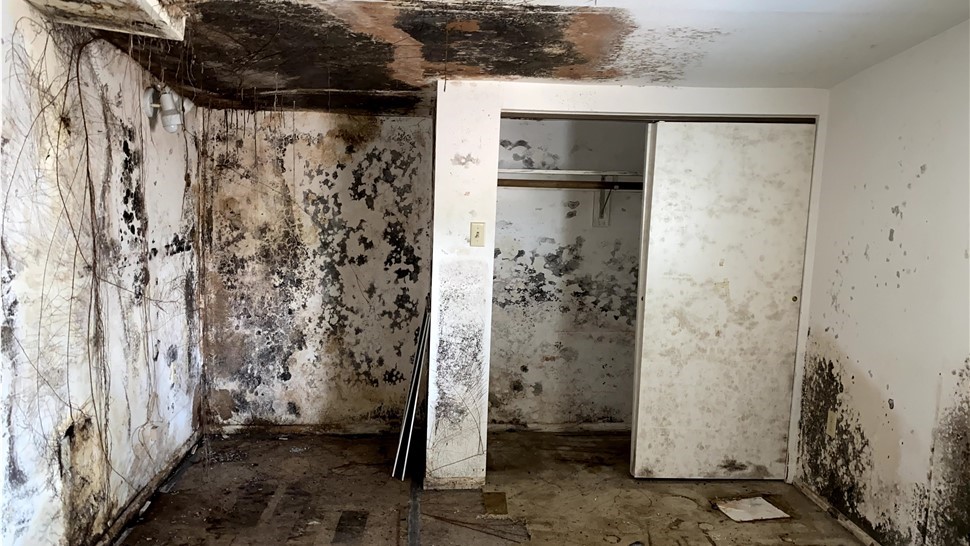
“Toxic mold” is not a technical building term. Homeowners typically use it to describe mold that looks dark, smells strong, or appears after water damage. In reality, mold color or appearance alone does not determine risk.
What matters most is why mold is growing, how much moisture is present, and whether growth is widespread or hidden. In Indian Harbour Beach homes, mold concerns are almost always tied to ongoing moisture from humidity, leaks, or condensation—not a rare or unusual mold type.
Understanding the environment is far more important than focusing on labels.
Why Mold Concerns Are Common in Indian Harbour Beach
Indian Harbour Beach sits directly along the coast, exposing homes to constant moisture pressure. Salt air carries humidity inland, storms bring wind-driven rain, and drying times are slow even after small leaks.
Local factors that contribute include:
- High outdoor humidity year-round
- Wind-driven rain entering roofs or wall assemblies
- Slab foundations trapping moisture beneath flooring
- AC systems producing constant condensation
- Aging seals around windows and doors
- Attics exposed to hot, humid air
These conditions make mold more likely to develop and harder to eliminate without proper moisture control.
Common Places Mold Is Found in Coastal Homes
In Indian Harbour Beach homes, mold often appears in areas where moisture lingers or airflow is limited.
Common locations include:
- Bathrooms with poor ventilation
- Attics after roof leaks or ventilation issues
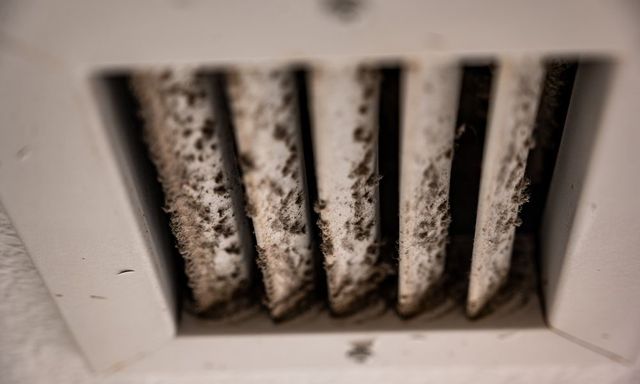
- Around HVAC air handlers, drain pans, and vents
- Behind drywall after plumbing leaks
- Under flooring after minor flooding
- Closets or cabinets along exterior walls
These areas can support mold growth long before anything is visible.
Early Warning Signs Homeowners Often Notice
Mold concerns don’t always start with visible growth. Many homeowners first notice changes in how the home feels or smells.
Common warning signs include:
- Persistent musty or earthy odors
- Dark staining on walls, ceilings, or grout
- Bubbling paint or warped drywall
- Rooms that feel damp despite AC use
- Mold that returns after repeated cleaning
These signs usually point to unresolved moisture somewhere in the home.
Hidden Mold and Why It’s So Common Near the Coast
Hidden mold is especially common in Indian Harbour Beach due to slow drying and frequent moisture intrusion. Mold can grow behind walls, inside attic insulation, under flooring, or within HVAC systems without being visible.
Homeowners may clean a surface or repaint, only to find odors persist or mold returns. This often means moisture remains trapped in building materials.
Hidden mold is less about neglect and more about coastal moisture dynamics.
Comfort and Indoor Air Quality Concerns
When mold grows in hidden areas or HVAC systems, it can affect indoor comfort. Spores and damp air may circulate throughout the home, especially when AC systems run continuously.
Some occupants notice irritation, congestion, or discomfort that seems worse indoors. While symptoms alone don’t confirm mold, they often signal moisture conditions that deserve investigation.
Restoring dry, balanced indoor conditions is the primary goal.
Common Myths About “Toxic” Mold
Mold concerns are often fueled by misinformation. A few important clarifications help homeowners stay grounded:
- Mold color does not determine severity
- Mold issues are environmental, not cleanliness-related
- Surface cleaning doesn’t fix moisture problems
- Fear-based assumptions often lead to poor decisions
Calm evaluation leads to better outcomes than panic.
Why DIY Cleanup Often Makes Things Worse
DIY mold cleanup usually focuses on what’s visible. Scrubbing, spraying cleaners, or painting over stains may temporarily improve appearance but rarely address the moisture source.
Common DIY pitfalls include:
- Using bleach on porous materials
- Spreading spores by scrubbing without containment
- Ignoring moisture behind walls or under floors
- Missing HVAC or attic-related mold sources
Without moisture correction, mold often returns—sometimes more widespread than before.
Professional Mold Inspection for Mold Concerns
A professional mold inspection focuses on identifying moisture sources, affected materials, and hidden growth areas. Inspectors use visual assessments and moisture detection tools to locate dampness behind walls, under flooring, and in attics or HVAC systems.
When appropriate, air or surface sampling may help clarify indoor conditions, but the main objective is understanding why mold is present.
Local professionals such as Brevard Mold Inspections & Removal understand Indian Harbour Beach construction styles, coastal exposure, and common moisture pathways found throughout Brevard County homes.
Proper Mold Removal and Remediation
Effective mold remediation always begins with moisture control. Leaks must be repaired, condensation issues corrected, and humidity stabilized.
Containment is used during removal to prevent mold from spreading. Affected materials are cleaned or removed safely depending on severity. HVAC systems, attics, and wall cavities are addressed when needed.
The goal is not just removing mold—it’s creating conditions where mold can’t easily return.
Preventing Mold in Indian Harbour Beach Homes
Homeowners can reduce mold risk by staying proactive with moisture management:
- Keep indoor humidity controlled
- Use bathroom and kitchen exhaust fans
- Maintain AC systems and clear drain lines
- Inspect attics and HVAC systems regularly
- Address leaks immediately
- Check under sinks and behind appliances
- Inspect after storms and heavy rain
In coastal homes, consistency makes a major difference.
Why Local Brevard County Experience Matters
Mold behaves differently in coastal Florida than in drier regions. Salt air, slab foundations, wind-driven rain, and constant humidity require local knowledge.
Homes in Indian Harbour Beach face different moisture challenges than inland areas like Viera or Palm Bay. Local experience ensures inspections and solutions are realistic, targeted, and effective for Brevard County conditions.
A Calm, Informed Way Forward
Concerns about “toxic mold” are understandable, but fear isn’t necessary. Most mold issues in Indian Harbour Beach are manageable when moisture problems are identified and corrected early.
With proper inspection, targeted remediation, and ongoing prevention, homeowners can protect their property and maintain comfortable indoor conditions. A professional evaluation provides clarity—helping you move forward with confidence, not worry.
Images for This Article