DIY Mold Risks in West Melbourne: What Homeowners in Brevard County Should Know
In West Melbourne, many homeowners discover mold and immediately reach for cleaning supplies. It’s a natural reaction—mold looks like something you should be able to scrub away. Unfortunately, in Brevard County’s warm, humid environment, DIY mold cleanup often creates bigger problems than it solves. What starts as a small patch on a wall or ceiling can turn into a recurring or hidden issue when moisture and mold aren’t handled correctly.
DIY mold risks aren’t about effort or intention. They’re about how mold behaves in Florida homes, how moisture moves through building materials, and what happens when growth is disturbed without addressing the source. Understanding these risks helps homeowners avoid costly mistakes and protect their homes long-term.
Why DIY Mold Cleanup Is So Common in West Melbourne
West Melbourne homeowners often try DIY mold cleanup because:
- Mold appears small or localized
- Online advice makes it seem simple
- Household cleaners promise quick results
- Professional help feels unnecessary at first
In many cases, mold does look manageable on the surface. But Florida’s climate changes how mold behaves once it’s disturbed.
The Biggest Misunderstanding About Mold
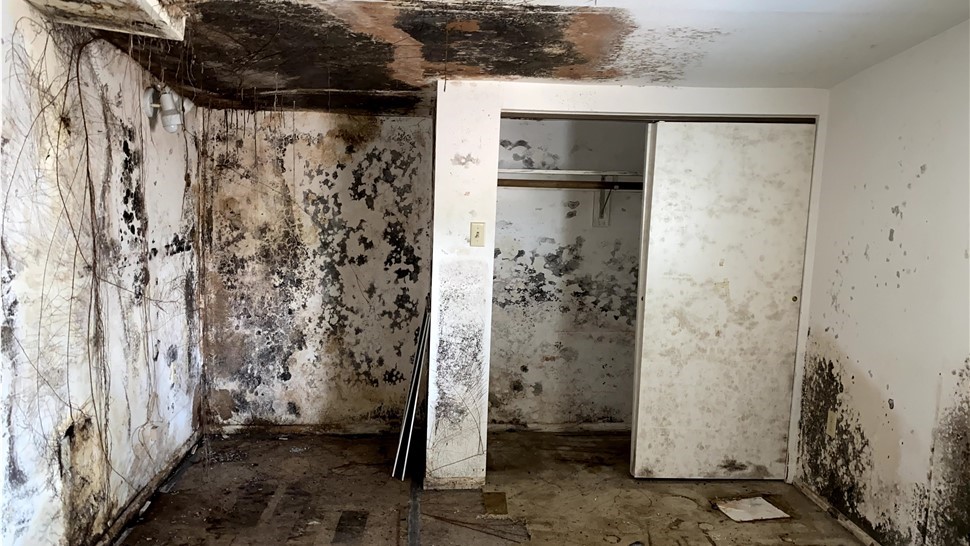
One of the most common misconceptions is that visible mold is the whole problem. In reality, what you see is often just a small portion of a larger moisture issue.
In West Melbourne homes:
- Mold frequently grows behind drywall
- Moisture spreads through porous materials
- Humidity keeps surfaces damp longer
- Mold roots remain after surface cleaning
Cleaning what you see doesn’t mean the problem is gone.
How DIY Cleaning Can Spread Mold
When mold is scrubbed, brushed, or sprayed without containment, spores can easily spread.
DIY cleanup can:
- Release mold spores into the air
- Spread spores to other rooms
- Contaminate HVAC systems
- Turn a localized issue into a whole-home problem
In homes with central air, disturbed spores can circulate quickly, making odors and growth appear in new areas.
Why Bleach and Store-Bought Sprays Fall Short
Bleach is one of the most commonly used DIY mold products—and one of the least effective for porous materials.
Bleach problems include:
- It doesn’t penetrate drywall, wood, or insulation
- It adds moisture to already damp materials
- It removes staining but not mold roots
In West Melbourne’s humid climate, mold often returns quickly after bleach-based cleaning.
Hidden Mold: The Biggest DIY Risk
One of the greatest dangers of DIY mold cleanup is missing hidden growth.
Hidden mold is commonly found:
- Behind walls near plumbing lines
- Under laminate or vinyl flooring
- Inside attics after roof leaks
- Around HVAC air handlers and ductwork
- Beneath cabinets and vanities
DIY cleaning focuses on surfaces, leaving hidden moisture and mold untouched.
Moisture: The Problem DIY Efforts Rarely Fix
Mold cannot grow without moisture. DIY cleanup almost never addresses the moisture source.
Common unresolved moisture issues include:
- AC condensate drain problems
- Slow plumbing leaks
- Poor bathroom ventilation
- Roof leaks after storms
- Slab moisture under flooring
Without fixing moisture, mold will continue growing—no matter how often it’s cleaned.
Why Mold Often Comes Back Worse After DIY Cleanup
Many homeowners notice mold returning darker or more widespread after DIY cleaning.
This happens because:
- Mold regrows from roots left behind
- Spores spread during cleaning
- Humidity remains high
- Hidden areas continue feeding growth
What looked like progress was often just a temporary cosmetic change.
Health and Comfort Concerns With DIY Mold Work
While this isn’t a medical discussion, homeowners often report discomfort after disturbing mold.
DIY cleanup can:
- Increase airborne particles temporarily
- Make musty odors stronger
- Reduce indoor comfort
- Create lingering air quality issues
These effects are more noticeable in homes with poor ventilation or HVAC-related mold.
DIY Mold Kits: Why Results Can Be Misleading
At-home mold test kits are popular, but they often create confusion rather than clarity.
DIY testing limitations include:
- No comparison to outdoor mold levels
- No moisture assessment
- No explanation of results
- Florida’s high background mold skewing findings
Without professional context, results may appear alarming even when conditions are normal for the area.
When DIY Mold Cleanup Is Especially Risky
DIY efforts are most likely to cause problems when:
- Mold covers porous materials
- Growth keeps returning
- Musty odors persist
- Mold is near HVAC systems
- Water damage occurred recently
- The source of moisture is unknown
These situations almost always involve hidden moisture or widespread contamination.
How Professional Mold Evaluation Is Different
Professional mold evaluation focuses on conditions, not just visible growth.
A proper evaluation includes:
- Identifying moisture sources
- Detecting hidden dampness
- Assessing how far mold has spread
- Determining what actually needs removal
This prevents unnecessary demolition while ensuring problems aren’t underestimated.
Brevard Mold Inspections & Removal approaches West Melbourne mold concerns with a calm, factual process—helping homeowners understand what’s happening before taking action.
Proper Mold Remediation vs DIY Cleanup
DIY cleanup focuses on appearance. Professional remediation focuses on removal and prevention.
Proper remediation may include:
- Containment to prevent spore spread
- Removing contaminated porous materials
- Correcting moisture sources
- Cleaning remaining surfaces safely
- Ensuring thorough drying
The goal is long-term stability, not short-term visual improvement.
Costly Mistakes DIY Mold Cleanup Can Create
DIY mold attempts sometimes lead to higher costs later due to:
- Mold spreading to additional areas
- Damage to drywall or wood from improper cleaning
- HVAC contamination
- Repeated repairs that don’t last
What seemed like saving money can turn into repeat work.
Preventing Mold Without DIY Risks
Prevention is far safer than repeated cleanup.
Effective prevention steps include:
- Maintaining AC systems and drain lines
- Using bathroom exhaust fans consistently
- Monitoring indoor humidity
- Addressing leaks immediately
- Inspecting attics after storms
These steps reduce mold risk without disturbing existing growth.
Why Local West Melbourne Experience Matters
DIY mold advice online is often written for dry or cold climates. West Melbourne homes face very different conditions.
Local professionals understand:
- How slab foundations retain moisture
- How humidity affects drying
- How storms lead to hidden leaks
- How HVAC systems influence mold spread
This local knowledge is critical for accurate decisions.
A Calm, Practical Takeaway for Homeowners
DIY mold cleanup in West Melbourne often feels like the fastest solution—but it’s also one of the riskiest. Mold problems in Brevard County are almost always about moisture, not just surface growth.
If mold keeps returning, smells worse after cleaning, or appeared after water damage, a professional evaluation can save time, money, and frustration. Understanding the risks of DIY mold work helps homeowners choose solutions that actually last—protecting both the home and indoor comfort in Florida’s challenging climate.