Mold Health Effects in Cape Canaveral: What Homeowners in Brevard County Should Know
Living in Cape Canaveral means coastal air, ocean breezes, and a warm climate year-round. It also means constant humidity, frequent storms, and heavy reliance on air conditioning. These conditions make mold a common concern for homeowners—and questions about health effects often follow soon after mold is discovered.
Understanding the real, practical health impacts of mold, how they relate to Cape Canaveral homes, and when to take action helps homeowners respond calmly without fear or misinformation.
Understanding Mold in Coastal Florida Homes
Mold is a natural organism found everywhere outdoors. Indoors, mold becomes an issue when excess moisture allows it to grow on building materials like drywall, wood, insulation, or HVAC components.
In Cape Canaveral, mold growth is usually connected to:
- High indoor humidity
- Storm-related water intrusion
- Roof or window leaks
- AC condensation issues
- Poor ventilation
Mold presence alone doesn’t automatically mean serious health problems, but it can affect indoor comfort and air quality when moisture remains uncontrolled.
Why Mold Health Concerns Are Common in Cape Canaveral
Cape Canaveral’s coastal location creates constant moisture pressure on homes. Salt air carries humidity inland, wind-driven rain enters small openings, and drying times are slow even after minor leaks.
Other local factors include:
- Near year-round AC use producing condensation
- Slab foundations trapping moisture beneath flooring
- Attics exposed to heat and humid air
- Older construction with aging seals or ventilation
Because mold often develops quietly, homeowners may first notice physical discomfort before seeing visible growth.
Common Health Effects Homeowners May Notice
Most mold-related health effects reported by homeowners are mild and nonspecific. They usually involve comfort rather than illness.
Commonly reported effects include:
- Nasal congestion or sneezing indoors
- Itchy or irritated eyes
- Throat irritation
- Headaches that feel worse at home
- Fatigue or general discomfort
These symptoms can also be caused by humidity, dust, or seasonal allergens. Mold is one possible contributor, which is why identifying moisture sources matters more than focusing on symptoms alone.
Mold and Respiratory Comfort
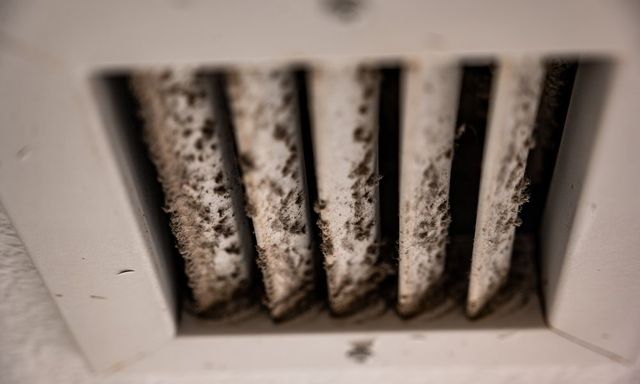
Mold can affect indoor air quality, especially when growth occurs in HVAC systems, attics, or wall cavities. Spores may circulate through the home when the AC runs.
People with asthma, allergies, or sensitivities may notice increased discomfort indoors. Children and older adults may be more sensitive to changes in air quality.
This doesn’t mean mold causes medical conditions—but it can worsen comfort when moisture issues remain unresolved.
Hidden Mold and Ongoing Exposure
One of the biggest concerns in Cape Canaveral homes is hidden mold. Growth may occur behind drywall, under flooring, inside insulation, or within HVAC systems without being visible.
Homeowners may notice:
- Persistent musty odors
- Damp indoor air
- Symptoms that improve when leaving the home
Hidden mold allows exposure to continue over time, which is why inspections focus heavily on moisture detection rather than visible mold alone.
Mold After Storms and Hurricanes
Storms and hurricanes are a major contributor to mold issues in Cape Canaveral. Even without obvious flooding, wind-driven rain can enter roofs, attics, and wall cavities.
If wet materials aren’t dried properly, mold can begin developing within days. Post-storm mold often grows out of sight, leading to lingering odors and indoor discomfort weeks later.
This is one of the most common scenarios linked to mold-related health concerns in coastal Brevard County homes.
Common Myths About Mold and Health
Mold health concerns are often surrounded by misinformation. A few important clarifications help keep things grounded:
- Mold color does not determine health impact
- Not all mold is “toxic”
- Mold issues are moisture problems first
- Surface cleaning alone does not resolve exposure
Understanding these points helps homeowners avoid fear-based decisions.
Why DIY Cleanup Doesn’t Resolve Health Concerns
DIY mold cleanup usually focuses on visible mold only. Scrubbing walls, spraying cleaners, or repainting may improve appearance but often leaves moisture—and hidden mold—untouched.
Without moisture correction, mold can continue growing behind walls or inside HVAC systems, allowing ongoing exposure.
DIY cleanup may also spread spores if done without containment, potentially affecting indoor air quality further.
Professional Mold Inspection and Health Concerns
A professional mold inspection helps identify whether indoor conditions could be contributing to discomfort. Inspectors look for moisture sources, hidden dampness, and mold growth patterns using visual assessments and moisture detection tools.
When appropriate, air or surface sampling may help evaluate indoor conditions, but the main focus is understanding why mold is present.
Local professionals such as Brevard Mold Inspections & Removal understand Cape Canaveral construction styles, coastal moisture behavior, and common post-storm mold scenarios seen throughout Brevard County.
Proper Mold Removal and Remediation
Addressing mold health concerns starts with proper remediation—not just cleaning.
Effective remediation includes:
- Identifying and fixing moisture sources
- Using containment to prevent spore spread
- Safely removing or treating affected materials
- Addressing HVAC or attic issues if involved
- Reducing humidity long-term
The goal is restoring dry, stable indoor conditions that support comfort.
Reducing Mold-Related Health Concerns Going Forward
Homeowners in Cape Canaveral can reduce mold-related discomfort by focusing on prevention:
- Maintain AC systems and clear drain lines
- Use bathroom and kitchen exhaust fans
- Monitor indoor humidity levels
- Inspect attics and HVAC systems regularly
- Address leaks immediately
- Schedule post-storm inspections
Consistency is especially important in coastal homes.
Why Local Experience in Brevard County Matters
Mold behaves differently in coastal Florida than in drier climates. High humidity, salt air, slab foundations, and frequent storms require localized knowledge.
Homes in Cape Canaveral face different moisture challenges than inland areas like Viera or Palm Bay. Local experience ensures inspections and solutions are realistic and effective for Brevard County conditions.
A Calm, Informed Path Forward
Mold health concerns are understandable, but fear isn’t necessary. Most mold-related comfort issues in Cape Canaveral are manageable when moisture problems are identified and corrected early.
With proper inspection, moisture control, and professional remediation when needed, homeowners can restore comfortable indoor conditions and peace of mind. Clear information—not assumptions—is the most powerful tool.
Images for This Article