Mold in HVAC Systems in Palm Bay: What Homeowners in Brevard County Should Know
In Palm Bay, air conditioning isn’t optional—it runs most of the year to keep homes comfortable in Florida’s heat and humidity. While HVAC systems are designed to remove moisture from the air, they can also become one of the most common places for mold to develop when conditions aren’t right. Because HVAC mold is often hidden, homeowners may not realize there’s a problem until odors, humidity, or comfort issues start showing up.
Understanding why mold forms inside HVAC systems, what signs to watch for, and how to prevent it can help Palm Bay homeowners protect both indoor air quality and their homes.
How Mold Develops Inside HVAC Systems
Every air-conditioning system produces condensation. As warm, humid air passes over cold evaporator coils, moisture forms and should drain safely away through a condensate line. When that drainage system fails—or airflow is restricted—moisture can collect inside the unit.
In Palm Bay homes, mold commonly develops in:
- Evaporator coils
- Drain pans and condensate lines
- Air handlers and blower compartments
- Insulated or flexible ductwork
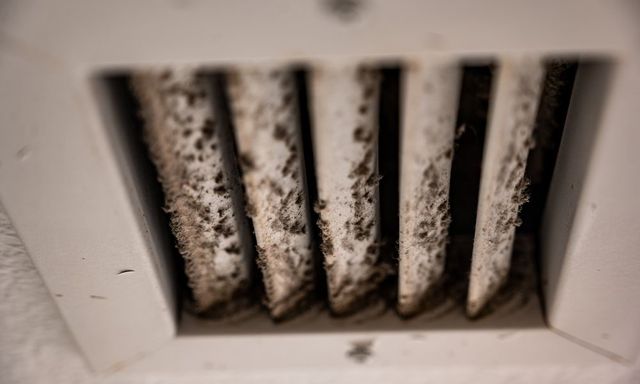
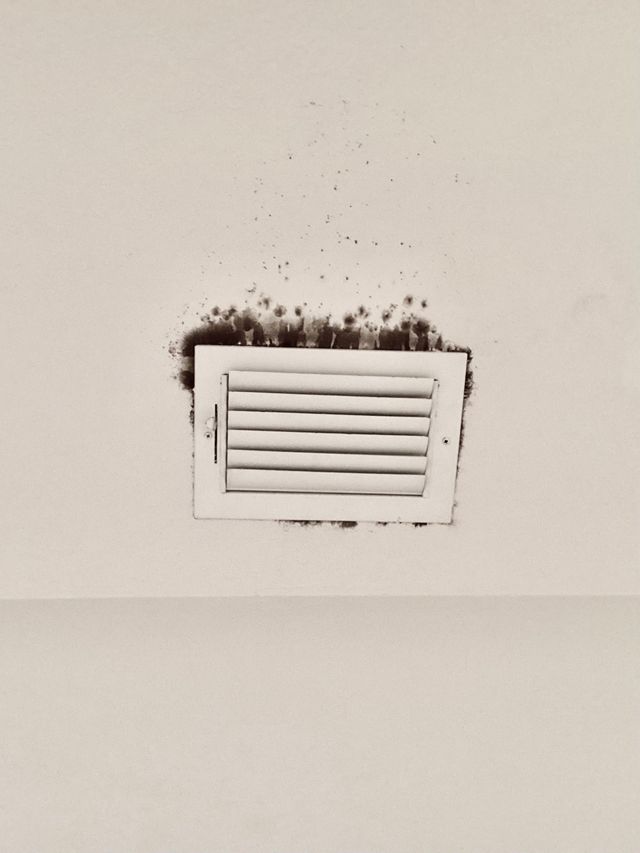
- Supply vents where condensation forms
Mold doesn’t need standing water. Persistent dampness combined with dust inside HVAC components is often enough.
Why HVAC Mold Is Common in Palm Bay
Palm Bay’s climate creates ideal conditions for HVAC-related moisture problems. High outdoor humidity, frequent rain, and long cooling seasons mean AC systems run constantly.
Local factors that increase HVAC mold risk include:
- High humidity entering the system through duct leaks
- Attic-installed air handlers exposed to heat and moisture
- Clogged or poorly sloped condensate drain lines
- Oversized AC systems that cool quickly but don’t dehumidify well
- Infrequent filter changes or maintenance
Even newer homes can experience HVAC mold if humidity control and drainage aren’t working properly.
Common Signs Mold May Be in the HVAC System
HVAC mold doesn’t always show visible growth right away. Many homeowners notice changes in smell or comfort first.
Common warning signs include:
- Musty or earthy odors when the AC turns on
- Allergy-like irritation that seems worse indoors
- Damp or stale-smelling air from vents
- Discoloration around supply vents or returns
- Persistent indoor humidity despite AC use
These signs usually indicate moisture problems inside the system that deserve attention.
How HVAC Mold Affects Indoor Comfort
When mold grows inside an HVAC system, spores and damp air can circulate throughout the home. This can affect indoor air quality and overall comfort, especially in tightly sealed Palm Bay homes.
Some occupants notice headaches, congestion, or irritation that improves when they leave the house. Others simply feel that the air never smells or feels fresh. While symptoms alone don’t confirm mold, they often point to unresolved moisture issues in the HVAC system.
Hidden Causes Homeowners Often Overlook
Many HVAC mold problems are caused by issues homeowners don’t see during normal use.
Common hidden contributors include:
- Condensate lines backing up inside air handlers
- Duct insulation absorbing moisture in humid attics
- Roof leaks dripping near HVAC components
- Poor attic ventilation trapping humid air around ductwork
- Past water damage that affected ducts or air handlers
Without identifying these root causes, mold often returns after surface cleaning.
Why DIY HVAC Mold Cleaning Is Risky
Some homeowners try to handle HVAC mold themselves by wiping vents or spraying disinfectants into ducts. While this may reduce odors temporarily, it rarely solves the problem.
DIY cleaning doesn’t correct moisture sources or address hidden mold growth. Spraying chemicals can also spread spores or damage HVAC components, leading to efficiency issues or higher energy bills.
Because HVAC systems affect the entire home, improper cleanup can make problems worse.
Professional Mold Inspection for HVAC Systems
A professional mold inspection evaluates both the HVAC system and the surrounding environment. Inspectors examine air handlers, drain systems, ductwork, and nearby building materials using visual assessments and moisture detection tools.
When appropriate, air or surface sampling may help assess indoor conditions, but the primary goal is identifying where moisture is coming from and why it’s not drying properly.
Local professionals such as Brevard Mold Inspections & Removal understand Palm Bay home designs, attic conditions, and HVAC setups common throughout Brevard County.
Proper Mold Removal and Remediation in HVAC Systems
Effective remediation starts with moisture control. Drain lines must be cleared, airflow corrected, and insulation repaired or replaced if it has absorbed moisture.
Containment helps prevent spores from spreading during cleaning. Affected components may require professional cleaning or replacement, depending on severity. Once remediation is complete, steps are taken to prevent moisture from returning.
The focus is restoring a dry, efficient HVAC system—not just removing visible mold.
Preventing HVAC Mold in Palm Bay Homes
Prevention is often simpler and less disruptive than remediation. Palm Bay homeowners can reduce HVAC mold risk by:
- Changing AC filters regularly
- Scheduling routine HVAC maintenance
- Keeping condensate drain lines clear
- Monitoring indoor humidity levels
- Sealing duct leaks and insulating exposed ducts
- Checking attics for moisture around air handlers
After storms or extended humid periods, it’s especially important to inspect HVAC components.
Why Local Experience in Brevard County Matters
HVAC mold issues in Florida differ from those in drier climates. High humidity, slab foundations, and year-round AC use require a local approach.
Homes in Palm Bay face different challenges than coastal areas like Cocoa Beach or river-adjacent communities like Merritt Island. Local experience ensures inspections and solutions are realistic and effective for Brevard County conditions.
A Calm, Practical Approach for Homeowners
Mold in HVAC systems can feel concerning, but it doesn’t need to be overwhelming. With proper inspection, moisture correction, and routine maintenance, most HVAC mold issues in Palm Bay can be addressed effectively.
Understanding how mold develops and responding early helps homeowners protect indoor comfort and avoid recurring problems. A professional evaluation provides clarity, helping you move forward with confidence rather than guesswork.
Images for This Article