Mold in Bathrooms in Cocoa: What Homeowners in Brevard County Should Know
Bathrooms are one of the most common places mold shows up in Cocoa homes. Daily showers, steam, and limited airflow create moisture that doesn’t always dry out fast enough—especially in Brevard County’s warm, humid climate. For many homeowners, bathroom mold isn’t a sign of poor cleaning. It’s a sign that moisture is lingering where it shouldn’t.
Understanding why bathroom mold happens in Cocoa, where it tends to hide, and what actually prevents it can help homeowners address the problem calmly and effectively.
Why Bathrooms Are a Mold Hotspot in Florida Homes
Bathrooms produce moisture every single day. Hot showers release steam, sinks and toilets add water to the space, and humidity settles on walls, ceilings, and fixtures.
In Cocoa, high outdoor humidity slows drying even further. If exhaust fans are weak, rarely used, or vent into the attic instead of outside, moisture builds up quickly. Over time, grout, caulking, drywall, and paint absorb that moisture—creating ideal conditions for mold growth.
Mold doesn’t need flooding to start. Repeated dampness is often enough.
Why Mold in Bathrooms Is Common in Cocoa
Cocoa homes face several conditions that make bathroom mold more likely:
- High humidity for much of the year
- Frequent rain and storms
- Slab foundations that can contribute to moisture migration
- Older exhaust fans with limited airflow
- Bathrooms without windows
- Plumbing leaks behind walls or under fixtures
Even newer homes in Cocoa can experience bathroom mold if ventilation and moisture control aren’t balanced properly.
Common Signs of Bathroom Mold
Bathroom mold isn’t always obvious at first. Many homeowners notice small changes before seeing major growth.
Common signs include:
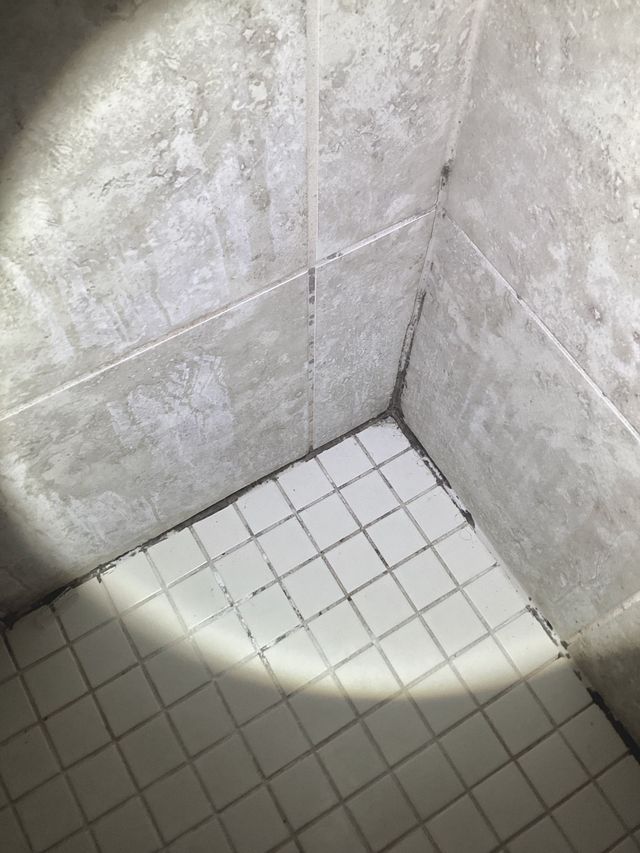
- Dark spots on grout or caulking
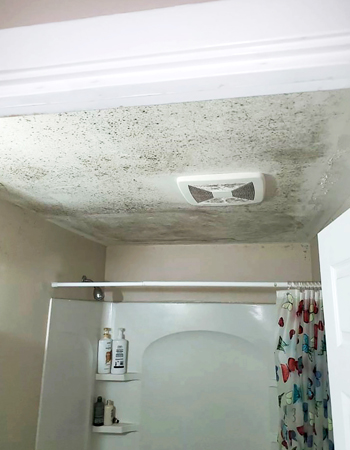
- Discoloration on ceilings above showers
- Musty odors that linger even after cleaning
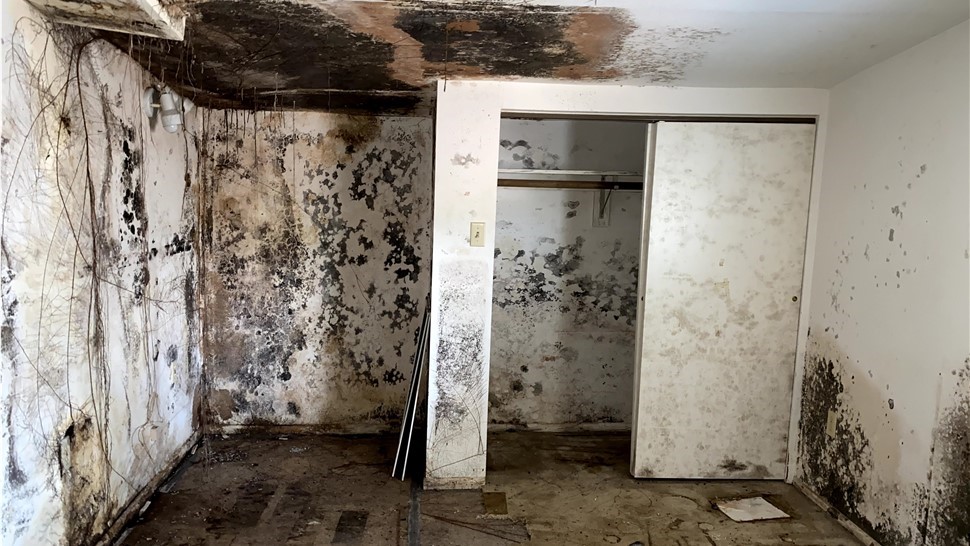
- Peeling paint or bubbling drywall
- Persistent condensation on mirrors or walls
These signs usually point to ongoing moisture issues rather than surface dirt.
Hidden Mold Behind Bathroom Walls
One of the biggest concerns with bathroom mold is what homeowners can’t see. Small plumbing leaks inside walls, loose shower fittings, or cracked grout can allow water to seep into drywall or insulation.
Once moisture enters these hidden areas, mold can grow quietly for months. Homeowners may only notice the problem when odors persist, paint fails, or mold keeps returning after cleaning.
In Cocoa homes built on slabs, moisture can also move upward into bathroom flooring and walls, adding to the problem.
Bathroom Mold and Indoor Comfort
Bathroom mold doesn’t just affect appearance. Persistent mold growth can contribute to unpleasant odors and overall indoor discomfort. Moist air and mold spores may move into adjacent rooms, especially if the bathroom connects to shared ventilation or attic space.
Some occupants notice irritation or discomfort that seems worse after showering or spending time in humid bathrooms. While symptoms alone don’t confirm mold, they often signal moisture conditions that need attention.
Common Myths About Bathroom Mold
One common myth is that bathroom mold is just a cleaning issue. While regular cleaning helps, it won’t stop mold if moisture remains.
Another misconception is that bleach permanently removes mold. Bleach may lighten stains on non-porous surfaces, but it doesn’t address moisture sources or mold growing behind walls or under surfaces.
True bathroom mold control always starts with moisture management.
Why DIY Bathroom Mold Cleanup Often Fails
Many homeowners scrub mold from grout or repaint ceilings, only to see mold return weeks later. This happens because surface cleaning doesn’t fix ventilation problems, leaks, or humidity buildup.
Scrubbing without proper drying can spread moisture deeper into materials. Painting over stains traps moisture and hides the issue temporarily rather than solving it.
Recurring bathroom mold usually signals a deeper moisture problem that needs investigation.
Professional Mold Inspection for Bathroom Issues
A professional mold inspection looks beyond visible bathroom surfaces. Inspectors evaluate moisture levels in walls, ceilings, and flooring, and check ventilation and plumbing conditions.
Moisture detection tools help locate damp areas that aren’t visible. When appropriate, limited testing may help assess indoor conditions, but the main focus is identifying why moisture is present.
Local professionals such as Brevard Mold Inspections & Removal understand Cocoa home construction, plumbing layouts, and common bathroom moisture issues seen throughout Brevard County.
Proper Mold Removal and Remediation in Bathrooms
Effective mold remediation starts with correcting the moisture source. This may involve repairing leaks, improving exhaust ventilation, resealing grout and caulking, or addressing slab-related moisture.
Containment is used if removal is needed to prevent spores from spreading. Affected materials may be cleaned or replaced depending on severity. Once moisture is controlled, long-term prevention becomes much easier.
The goal is a dry, well-ventilated bathroom—not just a cleaner-looking one.
Practical Bathroom Mold Prevention Tips for Cocoa Homes
Homeowners can reduce bathroom mold risk by building consistent habits:
- Use exhaust fans during and after showers
- Let fans run at least 20–30 minutes after use
- Repair leaking fixtures promptly
- Reseal grout and caulking as needed
- Wipe down wet surfaces when possible
- Keep bathroom doors open after showers for airflow
After heavy rain or plumbing work, it’s wise to check bathrooms for signs of moisture intrusion.
Why Local Experience in Brevard County Matters
Bathroom mold in Florida behaves differently than in drier climates. High humidity, slab foundations, and year-round AC use require local knowledge.
Homes in Cocoa face different moisture patterns than coastal areas like Cocoa Beach or inland communities like Viera. Local professionals understand these differences and can tailor solutions accordingly.
Generic advice often falls short in Brevard County conditions.
A Calm, Practical Way Forward
Bathroom mold is common in Cocoa, but it doesn’t have to be a recurring problem. With proper ventilation, moisture control, and early attention, most bathroom mold issues can be managed effectively.
Understanding why mold forms and addressing the root cause helps protect both your home and indoor comfort. A professional inspection provides clarity when mold keeps returning or moisture concerns persist—allowing homeowners to move forward confidently.
Images for This Article