Mold in Rental Properties in Titusville: What Homeowners in Brevard County Should Know
Mold issues in rental properties are a frequent concern in Titusville, where humidity, storms, and year-round air conditioning create ongoing moisture challenges. For landlords and property owners, mold isn’t just a maintenance issue—it can affect tenant comfort, property condition, and long-term value if not handled properly.
Understanding why mold develops in Titusville rentals, where it commonly appears, and how to address it calmly and correctly helps property owners stay proactive and avoid recurring problems.
Why Mold Is Common in Titusville Rental Properties
Titusville’s environment plays a major role in mold development. High humidity, heavy rainfall, and proximity to the Indian River Lagoon all contribute to moisture entering buildings. Rental properties often experience additional risk due to frequent occupant turnover and varied living habits.
Common contributing factors include:
- Constant AC use producing condensation
- Plumbing leaks that go unnoticed between tenants
- Bathrooms and kitchens with heavy moisture use
- Slab foundations trapping moisture beneath flooring
- Storm or hurricane exposure
- Delayed reporting of minor leaks or water issues
Mold usually develops from lingering moisture, not poor housekeeping.
Common Areas Where Mold Appears in Rentals
In Titusville rental homes and apartments, mold is most often found in moisture-prone or overlooked areas, such as:
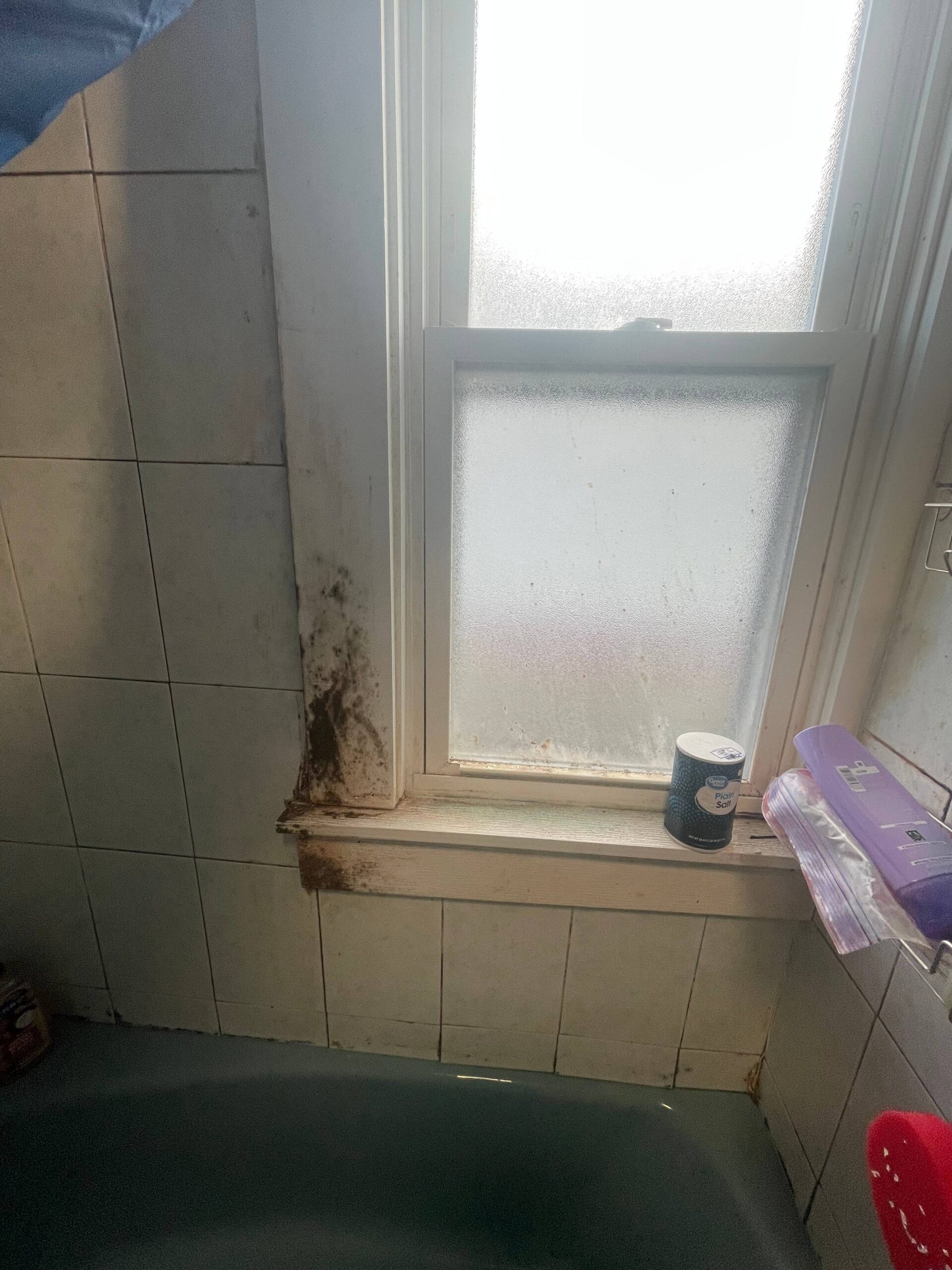
- Bathrooms with limited ventilation
- Under sinks and behind appliances
- HVAC air handlers, drain pans, and ductwork
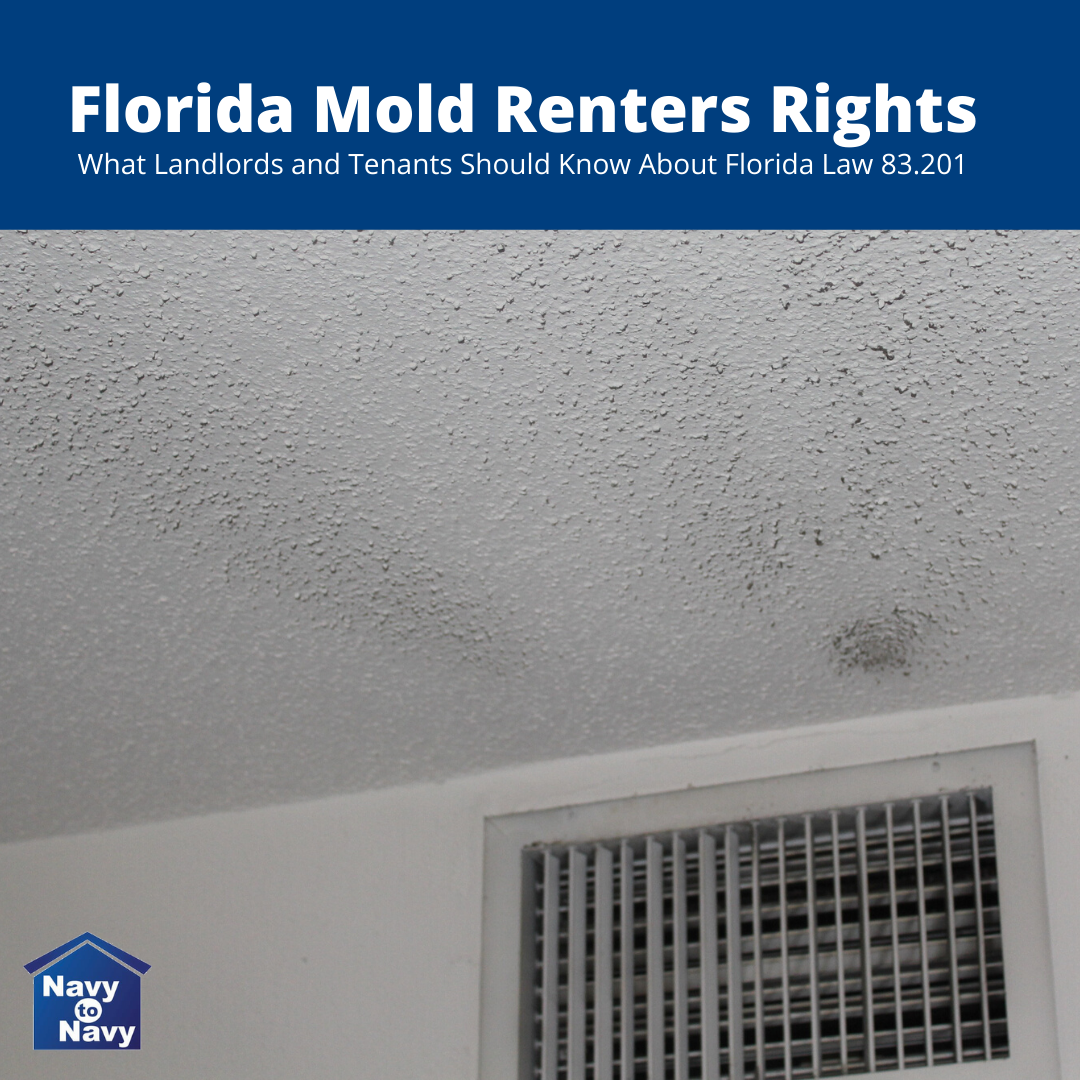
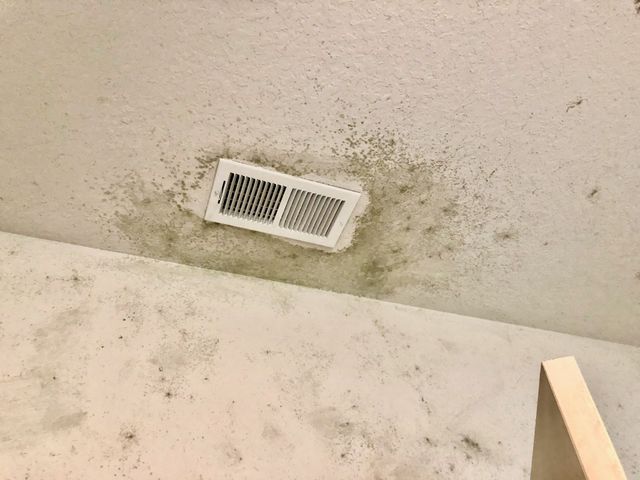
- Around AC vents and returns
- Attics after roof leaks or storms
- Behind drywall near plumbing lines
Because tenants may not inspect these areas regularly, mold can grow unnoticed for extended periods.
Early Signs Tenants May Report
Tenants are often the first to notice changes inside a rental property. Early reports should always be taken seriously.
Common tenant complaints include:
- Musty or damp odors
- Visible spotting on walls or ceilings
- Persistent humidity indoors
- Bubbling paint or peeling drywall
- Discomfort that feels worse inside the unit
These signs usually indicate moisture issues that need investigation rather than surface cleaning.
Hidden Mold and Why It’s a Bigger Issue in Rentals
Hidden mold is especially common in rental properties. Small plumbing leaks, AC condensation problems, or roof issues can allow moisture to spread behind walls or under flooring without obvious signs.
Because tenants may not access attics, crawl spaces, or utility areas, moisture problems can continue unchecked. By the time mold is discovered, it may already be widespread.
Hidden mold is one of the main reasons recurring complaints occur in rental units.
Mold and Tenant Comfort
Mold growth can affect indoor comfort, particularly when it involves HVAC systems or hidden spaces. Damp air and mold spores may circulate throughout the unit, making it difficult for tenants to feel comfortable.
Some tenants report irritation, congestion, or discomfort that improves when they leave the property. While symptoms alone don’t confirm mold, they often point to unresolved moisture problems that should be addressed promptly.
Maintaining dry conditions protects both tenants and the property.
Why DIY Mold Cleanup Often Backfires
Quick fixes—like painting over stains or wiping visible mold—are common in rental properties, but they rarely solve the problem. These approaches address appearance, not moisture.
Common mistakes include:
- Using bleach on porous materials
- Ignoring leaks behind walls or under sinks
- Failing to inspect HVAC systems
- Trapping moisture by repainting too soon
- Missing attic or crawl space issues
Without correcting moisture sources, mold almost always returns.
Professional Mold Inspection for Rental Properties
A professional mold inspection helps property owners understand what’s actually happening inside a rental unit. Inspectors evaluate moisture sources, ventilation, HVAC components, and hidden areas using visual assessments and moisture detection tools.
When appropriate, air or surface sampling may be used to better understand indoor conditions, but the primary focus is identifying why moisture is present.
Local professionals such as Brevard Mold Inspections & Removal understand Titusville building styles, rental property layouts, and common moisture issues seen throughout Brevard County.
Proper Mold Removal and Remediation in Rentals
Effective mold remediation always begins with moisture correction. Leaks must be repaired, wet materials dried or removed, and humidity stabilized.
Containment is used during removal to prevent mold from spreading to other units. Affected materials may be cleaned or replaced depending on severity. HVAC systems and attics are inspected when needed.
Proper remediation protects the structure and helps prevent repeat tenant complaints.
Preventing Mold Between Tenants
Turnover periods are one of the best times to prevent mold issues. Property owners can reduce future risk by:
- Inspecting plumbing, HVAC, and bathrooms between tenants
- Clearing AC drain lines and replacing filters
- Checking attics and under sinks for moisture
- Ensuring exhaust fans work properly
- Addressing small leaks immediately
- Monitoring indoor humidity
Preventive maintenance often costs far less than repeated remediation.
Why Local Brevard County Experience Matters
Rental properties in Florida face different mold risks than rentals in drier regions. High humidity, slab foundations, and frequent storms require localized knowledge.
Titusville rentals experience different moisture patterns than coastal areas like Cocoa Beach or inland communities like Viera. Local experience ensures inspections and solutions are practical and effective for Brevard County conditions.
A Practical, Calm Approach for Property Owners
Mold in rental properties doesn’t need to become a recurring headache. With early attention to moisture issues, professional inspections when needed, and consistent maintenance, most mold problems can be managed effectively.
For Titusville property owners, understanding how mold develops—and responding early—helps protect the property, maintain tenant comfort, and reduce long-term costs.
Images for This Article