Mold and Insurance Claims in Rockledge: What Homeowners in Brevard County Should Know
Mold and insurance questions often come up together for homeowners in Rockledge. After a leak, storm, or plumbing issue, mold may appear days or weeks later—right when homeowners are trying to figure out what their insurance will or won’t help with. In Brevard County’s humid climate, this situation is common, and confusion is understandable.
Knowing how mold insurance claims generally work, what documentation matters, and why local conditions play such a big role can help Rockledge homeowners approach the process calmly and with realistic expectations.
Why Mold and Insurance Questions Are Common in Rockledge
Rockledge homes face many of the same moisture challenges found across Brevard County. High humidity, frequent rain, and heavy AC use make drying after water intrusion more difficult. Even small leaks can leave moisture behind walls or under floors long enough for mold to grow.
Many insurance questions arise because mold often appears after the original water problem seems resolved. By the time mold is visible, homeowners are unsure whether it’s related to a covered event or ongoing moisture.
Understanding the timeline matters.
How Insurance Typically Looks at Mold
Insurance policies usually focus on the cause of mold, not the mold itself. Mold is often considered a result of water damage rather than a standalone issue.
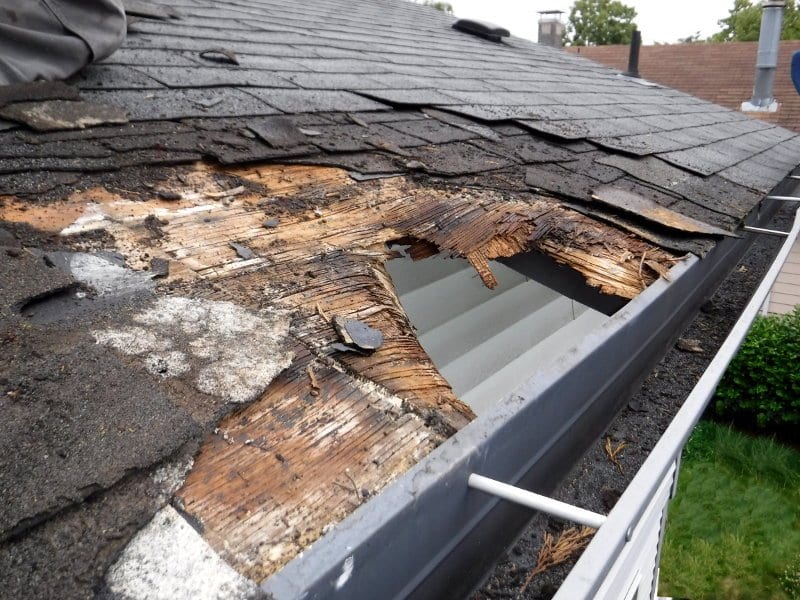
In general, insurance companies look at whether mold developed from a sudden, accidental water event—such as a burst pipe or storm-related roof leak—or from long-term moisture issues like slow leaks or ongoing humidity.
Coverage decisions depend on how the water entered the home, how quickly it was addressed, and what steps were taken to prevent further damage.
Water Events That Often Lead to Mold Claims
In Rockledge, mold claims commonly follow situations such as:
- Roof leaks after heavy rain or storms
- Plumbing failures inside walls or ceilings
- AC drain line clogs or overflows
- Water heater or appliance leaks
- Wind-driven rain entering through windows or doors
When these events are sudden and documented promptly, insurance discussions tend to be more straightforward.
Situations That Often Complicate Claims
Mold claims become more challenging when mold appears to be the result of ongoing moisture rather than a single event.
Common examples include:
- Long-term plumbing leaks that went unnoticed
- Bathroom or attic moisture from poor ventilation
- Repeated condensation issues near AC systems
- Mold developing months after a water incident
These situations highlight why early detection and documentation are so important.
Why Timing and Documentation Matter So Much
One of the biggest factors in mold-related insurance claims is timing. The sooner water damage is identified and addressed, the easier it is to connect mold growth to the original event.
Homeowners should document:
- When water damage was first noticed
- Photos or videos of affected areas
- Repairs or drying efforts
- Inspection reports and findings
Clear records help demonstrate that the homeowner acted responsibly and didn’t ignore moisture problems.
Mold Inspections and Insurance Claims
A professional mold inspection can help clarify the extent of mold growth and identify moisture sources. Inspectors focus on visual assessments and moisture detection to determine where water entered and how it spread.
While inspections don’t determine insurance coverage, they provide objective information that supports informed decisions. Understanding whether mold is active, hidden, or related to a specific water event helps homeowners move forward more confidently.
Local professionals such as Brevard Mold Inspections & Removal are familiar with Rockledge construction styles, storm patterns, and common moisture pathways seen throughout Brevard County homes.
Mold Remediation and Claim Documentation
When mold remediation is needed, documentation becomes even more important. Proper remediation focuses on moisture correction first—repairing leaks, drying materials, and stabilizing humidity.
Containment is used to prevent mold from spreading during removal. Affected materials may be cleaned or removed depending on severity. Records of this work help show that the issue was handled correctly and thoroughly.
Even when coverage is limited, professional remediation helps protect the home and prevent further damage.
Preventing Mold Issues That Lead to Insurance Disputes
Prevention is one of the best ways to avoid complicated insurance situations. Rockledge homeowners can reduce mold risk by staying proactive with moisture control.
Helpful steps include:
- Inspecting roofs, windows, and plumbing regularly
- Maintaining AC systems and drain lines
- Using exhaust fans in bathrooms and kitchens
- Monitoring indoor humidity
- Checking attics and crawl spaces after storms
- Addressing small leaks promptly
Early action often prevents minor moisture issues from becoming larger problems.
Why Local Experience Matters in Rockledge
Mold behavior in Florida is different from drier regions. Slab foundations, high humidity, and year-round AC use create unique challenges that insurance policies don’t always account for clearly.
Homes in Rockledge face different moisture patterns than coastal areas like Cocoa Beach or river-adjacent communities like Merritt Island. Local experience helps ensure inspections and recommendations are grounded in real Brevard County conditions.
A Calm, Informed Way to Handle Mold and Insurance
Mold and insurance claims don’t have to be overwhelming. Understanding how mold develops, documenting water events early, and getting professional input helps homeowners navigate the process with clarity.
Even when insurance coverage is limited, addressing mold properly protects the home and reduces long-term risk. With a calm, informed approach, Rockledge homeowners can make decisions based on facts—not frustration—and keep their homes in good condition.
Images for This Article