Mold FAQs in Satellite Beach: What Homeowners in Brevard County Should Know
Living in Satellite Beach means salty ocean air, steady breezes, and beautiful coastal views—but it also means constant humidity and moisture challenges. Mold questions are common here, and many homeowners aren’t sure what’s normal, what’s serious, or when to take action. This FAQ-style guide answers the most common mold questions Satellite Beach homeowners ask, using practical, Florida-specific information without fear or exaggeration.
Is Mold Common in Satellite Beach Homes?
Yes. Mold is very common in Satellite Beach and other coastal areas of Brevard County. High outdoor humidity, wind-driven rain, and near year-round air-conditioning create conditions where moisture can linger indoors.
Even homes that look clean and well maintained can develop mold if airflow, drainage, or ventilation aren’t working perfectly.
Why Does Mold Grow So Easily Near the Coast?
Coastal air carries moisture inland every day. In Satellite Beach, humidity doesn’t drop much at night, which slows natural drying. When moist air enters homes through doors, windows, duct leaks, or attic vents, it can condense on cooler surfaces.
Common contributors include:
- Salt air accelerating wear on seals and materials
- AC systems producing constant condensation
- Attics exposed to hot, humid air
- Slab foundations trapping moisture beneath flooring
- Storms pushing rain into small openings
Mold growth here is usually about moisture staying too long, not cleanliness.
Where Is Mold Most Often Found in Satellite Beach Homes?
Mold tends to grow in areas where moisture and limited airflow overlap. Common locations include:
- Bathrooms and showers
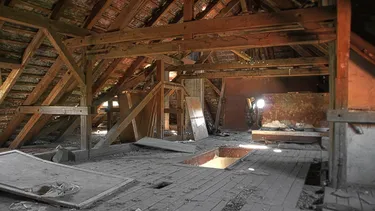
- Attics after roof leaks or ventilation issues
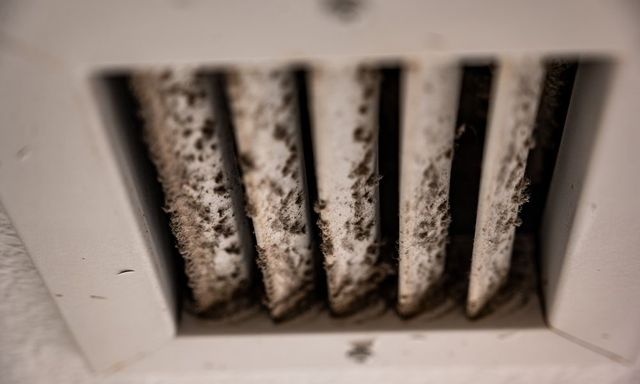
- HVAC air handlers, drain pans, and ductwork
- Around AC vents
- Under sinks and behind appliances
- Closets or cabinets along exterior walls
Many of these areas aren’t checked regularly, allowing mold to grow unnoticed.
What Are the Early Signs of Mold?
Mold doesn’t always appear as visible patches right away. Early warning signs often include:
- Musty or earthy odors
- Condensation on vents or windows
- Bubbling paint or peeling drywall
- Persistent indoor humidity
- Mold that returns after repeated cleaning
These signs usually indicate a moisture issue that deserves attention.
Is All Mold Dangerous or “Toxic”?
No. A common misconception is that all mold is toxic. In reality, mold varies widely, and color alone doesn’t determine severity.
What matters most is how much mold is present and why it’s growing. Moisture control is far more important than the specific mold type.
Can Mold Affect Indoor Comfort or Health?
Mold can affect indoor air quality, especially when it grows in HVAC systems or hidden spaces. Some people notice irritation, congestion, headaches, or discomfort that feels worse indoors.
Symptoms alone don’t confirm mold and aren’t a diagnosis. They often point to moisture conditions that should be evaluated.
Does Bleach Permanently Kill Mold?
Bleach may lighten stains on non-porous surfaces, but it does not permanently solve mold problems. On porous materials like drywall, wood, or insulation, bleach doesn’t reach mold roots beneath the surface.
If moisture remains, mold often returns—sometimes in the same spot.
When Is DIY Mold Cleanup Okay?
Very small mold spots on non-porous surfaces, such as tile, may be manageable only if the moisture source is fixed and the area dries completely.
DIY cleanup usually isn’t effective when:
- Mold keeps coming back
- Mold follows water damage
- Mold is in attics, crawl spaces, or HVAC systems
- Odors persist without visible growth
These situations often require professional evaluation.
How Quickly Can Mold Grow After Water Damage?
In Satellite Beach’s humid climate, mold can begin developing within a few days if materials remain wet. Even when surfaces feel dry, moisture can stay trapped behind walls, under flooring, or in insulation.
Fast drying is critical after any water intrusion.
What Does a Professional Mold Inspection Involve?
A professional mold inspection focuses on moisture first. Inspectors evaluate visible areas and use moisture detection tools to find dampness behind walls, under floors, and in attics or HVAC systems.
When appropriate, air or surface sampling may be used, but the main goal is identifying why moisture is present and how to prevent mold from returning.
Local professionals such as Brevard Mold Inspections & Removal understand Satellite Beach construction styles, coastal exposure, and common moisture pathways throughout Brevard County homes.
How Is Mold Properly Removed?
Proper mold remediation includes:
- Correcting the moisture source
- Using containment to prevent spread
- Cleaning or removing affected materials
- Improving ventilation and humidity control
Removing visible mold without fixing moisture almost always leads to repeat problems.
How Can Satellite Beach Homeowners Prevent Mold?
Mold prevention in coastal homes focuses on moisture control:
- Maintain AC systems and clear drain lines
- Use bathroom and kitchen exhaust fans
- Monitor indoor humidity levels
- Inspect attics and HVAC systems regularly
- Address leaks immediately
- Check after storms and heavy rain
Routine checks are especially important near the coast.
Why Does Local Experience Matter?
Mold behaves differently in coastal Florida than in drier regions. Salt air, slab foundations, wind-driven rain, and constant humidity require local knowledge.
Homes in Satellite Beach face different challenges than inland areas like Viera or Palm Bay. Local experience ensures inspections and solutions are realistic for Brevard County conditions.
A Clear, Calm Takeaway for Homeowners
Mold questions are common in Satellite Beach, and most concerns have practical solutions. Understanding how mold develops, recognizing moisture issues early, and knowing when to seek help makes a real difference.
With consistent maintenance and informed decisions, homeowners can reduce mold risk and maintain comfortable indoor conditions throughout Brevard County.
Images for This Article