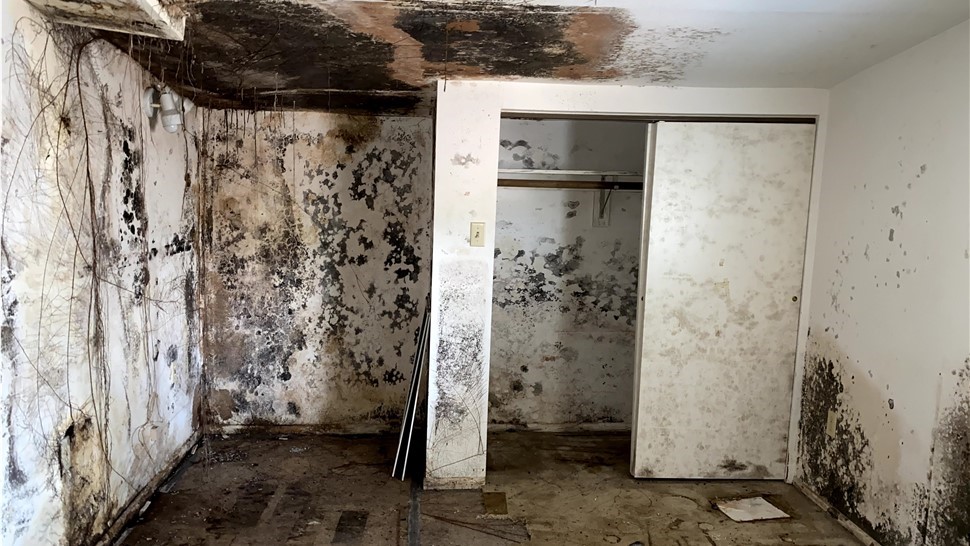
Humidity and Mold in Indian Harbour Beach: What Homeowners in Brevard County Should Know
Humidity is a daily reality in Indian Harbour Beach. Ocean air, steady breezes, frequent rain, and long cooling seasons keep moisture levels high year-round. While that coastal environment is part of what makes the area special, it also creates ideal conditions for mold to develop inside homes if humidity isn’t properly managed.
For homeowners in Indian Harbour Beach and across Brevard County, understanding how humidity fuels mold growth—and what actually helps control it—can prevent small moisture issues from turning into ongoing problems.
How Humidity Leads to Mold in Coastal Homes
Mold doesn’t need a major leak or flooding to grow. In humid environments, moisture in the air can settle on walls, ceilings, ductwork, and building materials. When that moisture doesn’t dry quickly, mold spores naturally present in the air can begin growing.
In Indian Harbour Beach homes, humidity often stays elevated even overnight. That constant moisture load gives mold more time to take hold, especially in areas with limited airflow or cooler surfaces where condensation forms.
Humidity-driven mold is often subtle at first, but persistent.
Why Humidity Is a Bigger Issue in Indian Harbour Beach
Being directly along the coast means Indian Harbour Beach homes are exposed to moist air every day. Salt air carries humidity inland, and wind-driven rain can introduce moisture through small openings that aren’t always obvious.
Other local factors include:
- High outdoor humidity that rarely drops
- Slab foundations that can trap moisture beneath flooring
- Attics exposed to hot, humid air
- AC systems running almost constantly
- Condensation forming on ducts and vents
- Homes built close to the water with limited drying time
Even well-maintained homes can struggle with humidity if airflow and drainage aren’t balanced properly.
Early Signs Humidity May Be Causing Mold
Humidity-related mold problems usually start quietly. Many homeowners notice changes in comfort or odors before seeing visible mold.
Common warning signs include:
- Persistent musty or damp smells
- Condensation on windows or AC vents
- Walls or ceilings that feel damp
- Peeling paint or bubbling drywall
- Rooms that feel sticky despite AC use
These signs often indicate excess humidity rather than a single leak.
Where Mold Commonly Develops Due to Humidity
In Indian Harbour Beach homes, humidity-related mold often appears in areas where moisture lingers longest.
Common locations include:
- Bathrooms with limited ventilation
- Closets along exterior walls
- Attics with ventilation imbalance
- HVAC air handlers and ductwork
- Under sinks and behind appliances
- Around AC vents and returns
Because humidity affects the whole home, mold may appear in multiple areas at once if conditions remain unchanged.
Hidden Humidity Problems Homeowners Overlook
Some of the most persistent mold issues come from hidden humidity sources that aren’t obvious during everyday living.
Common hidden contributors include:
- Oversized AC systems that cool quickly without dehumidifying
- Duct leaks pulling humid air into the system
- Bathroom fans venting into attics instead of outdoors
- Blocked or insufficient attic ventilation
- AC drain lines that don’t drain properly
Without addressing these issues, cleaning visible mold rarely provides lasting results.
How Humidity Affects Indoor Comfort
Excess humidity doesn’t just support mold—it affects how a home feels. High humidity can make indoor air feel heavy, reduce cooling efficiency, and increase energy use.
Some occupants notice irritation, congestion, or general discomfort that feels worse indoors. While symptoms alone don’t confirm mold, they often signal moisture conditions that need attention.
Controlling humidity improves comfort even before mold becomes visible.
Common Myths About Humidity and Mold
A common misconception is that mold only grows after obvious water damage. In coastal Florida, humidity alone can provide enough moisture.
Another myth is that running the AC nonstop prevents mold. While AC helps, it doesn’t always control humidity effectively if systems aren’t sized, maintained, or draining properly.
Mold prevention is about moisture balance, not just cooling.
Why DIY Solutions Often Fall Short
Homeowners often try to manage humidity by lowering thermostat settings or using small dehumidifiers. While these steps may help temporarily, they rarely solve whole-home humidity problems.
DIY efforts often miss attic conditions, duct leaks, or moisture entering through building materials. Without addressing the source of humidity, mold growth can continue behind walls or in hidden spaces.
Professional evaluation helps identify why humidity remains high despite homeowner efforts.
Professional Mold Inspection and Humidity Assessment
A professional mold inspection looks beyond visible growth to evaluate moisture and humidity conditions throughout the home. Inspectors assess HVAC systems, attic ventilation, wall cavities, and flooring using moisture detection tools.
When appropriate, air or surface sampling may help clarify indoor conditions. The primary goal is understanding why humidity is elevated and how it contributes to mold risk.
Local professionals like Brevard Mold Inspections & Removal understand Indian Harbour Beach construction styles, coastal exposure, and common humidity-related issues seen throughout Brevard County homes.
Proper Mold Removal and Long-Term Humidity Control
Effective mold remediation always includes humidity control. This may involve HVAC adjustments, improved ventilation, sealing air leaks, or correcting drainage issues.
Containment is used during mold removal to prevent spores from spreading. Affected materials are cleaned or removed as needed, but long-term success depends on keeping indoor humidity stable.
Without humidity control, mold often returns even after professional cleanup.
Practical Tips to Control Humidity in Indian Harbour Beach Homes
Homeowners can reduce mold risk by focusing on daily moisture management:
- Keep indoor humidity levels controlled
- Use exhaust fans during cooking and showering
- Maintain AC systems and clear drain lines
- Seal duct leaks and attic access points
- Check attics and closets regularly
- Address condensation issues promptly
After heavy rain or long humid periods, extra monitoring is especially helpful in coastal homes.
Why Local Brevard County Experience Matters
Humidity behaves differently in coastal Florida than in drier regions. Salt air, slab foundations, sandy soil, and constant AC use create moisture patterns unique to Brevard County.
Homes in Indian Harbour Beach face different challenges than inland areas like Viera or Palm Bay. Local experience ensures humidity and mold solutions are realistic and effective for the area.
A Calm, Practical Way Forward
Humidity-related mold is common in Indian Harbour Beach, but it doesn’t have to become a recurring problem. With proper awareness, maintenance, and moisture control, most homes can maintain comfortable indoor conditions.
Understanding how humidity affects your home is the first step. A professional inspection provides clarity and guidance, helping homeowners address mold risks calmly and effectively—before problems grow larger.
Images for This Article