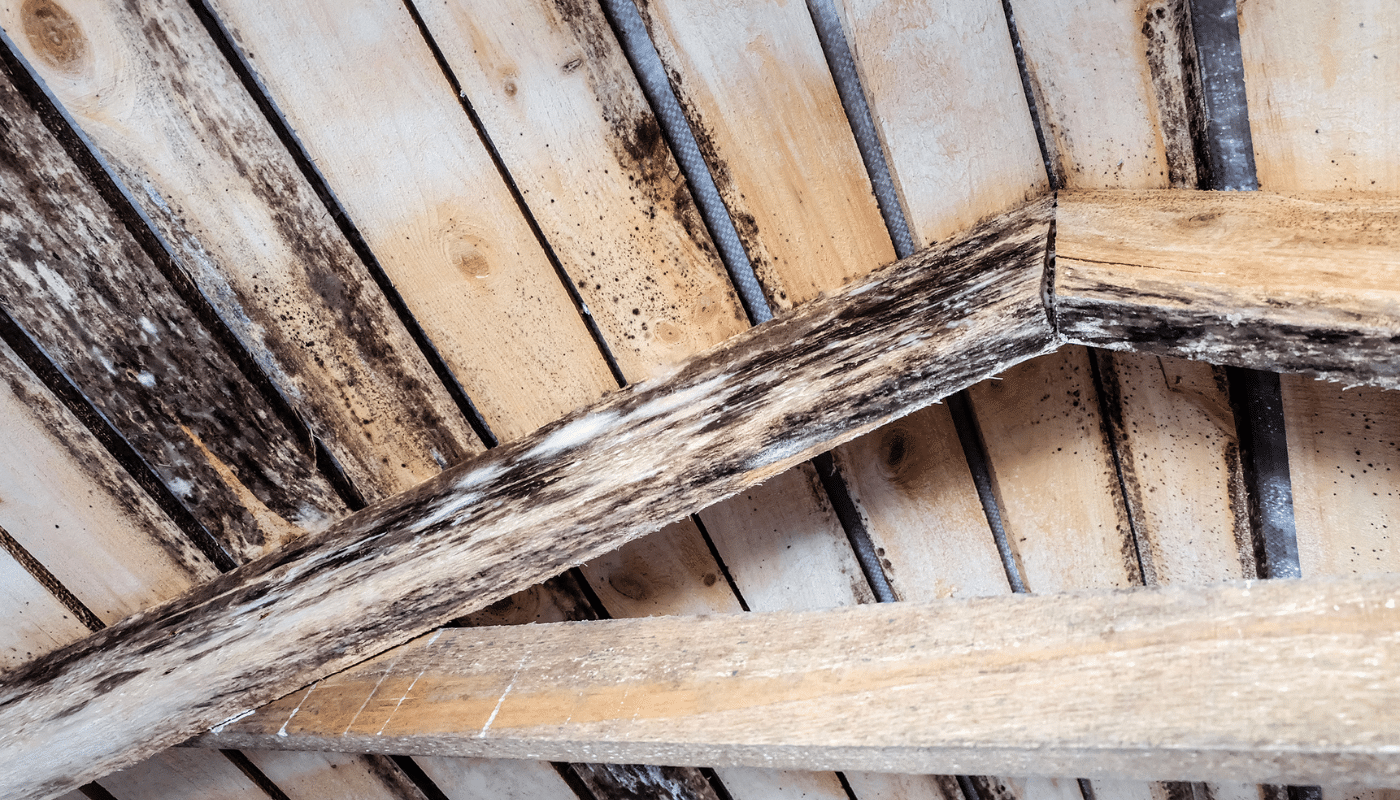
Mold After Hurricanes in Rockledge: What Homeowners in Brevard County Should Know
In Rockledge, hurricanes don’t always leave dramatic flooding behind—but they almost always leave moisture. Even when homes appear intact after a storm, hidden water intrusion, elevated humidity, and slow drying can quietly create the perfect conditions for mold. For many Brevard County homeowners, mold issues don’t show up during the storm cleanup—they appear weeks later, when the immediate damage feels long gone.
Mold after hurricanes is one of the most common post-storm problems in Rockledge homes. It’s rarely caused by neglect or poor maintenance. It’s usually the result of moisture that entered the home during the storm and didn’t fully dry in Florida’s humid environment. Understanding how hurricanes lead to mold, where it hides, and how to respond calmly can help homeowners prevent long-term damage.
Why Hurricanes Lead to Mold So Easily in Rockledge
Hurricanes introduce moisture in multiple ways, not just through obvious flooding. In Rockledge, homes are exposed to wind-driven rain, pressure changes, and prolonged humidity spikes during and after storms.
Local factors that increase mold risk after hurricanes include:
- Wind-driven rain entering through small openings
- Heavy rainfall saturating walls, roofs, and soil
- Power outages that stop air conditioning
- High post-storm humidity slowing evaporation
- Homes remaining closed during cleanup
Even small amounts of water intrusion can become a mold issue when drying is delayed.
Common Types of Hurricane-Related Water Intrusion
After hurricanes, mold often traces back to water that homeowners didn’t realize entered the home.
Common sources include:
- Roof leaks from lifted shingles or flashing
- Water intrusion around windows and doors
- Moisture entering through soffits or vents
- Plumbing stress or minor leaks caused by pressure changes
- Ground moisture rising under slab foundations
Because this water often spreads behind walls or under floors, it’s easy to miss during initial inspections.
Why Mold Often Appears Weeks After the Storm
One of the most confusing parts of post-hurricane mold is timing. Many homeowners assume mold would appear immediately—but that’s rarely the case.
In Rockledge homes:
- Materials absorb moisture during the storm
- High humidity slows drying for days or weeks
- Walls, insulation, and flooring stay damp
- Mold begins growing out of sight
By the time musty odors or visible mold appear, the hurricane may feel like a distant memory—even though it’s the root cause.
Early Signs Mold May Be Developing After a Hurricane
After a storm, homeowners should watch for subtle changes, not just visible mold.
Common warning signs include:
- Musty or earthy odors
- Odors that worsen when the AC runs
- Bubbling paint or peeling drywall
- Discoloration on ceilings or walls
- Condensation that doesn’t go away
- Flooring that feels soft or warped
These signs often indicate moisture is still present somewhere in the home.
Hidden Mold: The Biggest Post-Hurricane Risk
Hidden mold is one of the most common outcomes after hurricanes in Rockledge.
Mold frequently develops:
- Inside wall cavities near exterior walls
- Beneath laminate or vinyl flooring
- Inside attic insulation after roof leaks
- Around HVAC air handlers and ductwork
- Behind cabinets and vanities
Because mold doesn’t need light, it can grow unnoticed for long periods.
How Hurricanes Affect HVAC Systems and Mold Risk
HVAC systems are especially vulnerable during and after hurricanes.
Common HVAC-related issues include:
- Power outages stopping moisture removal
- Condensation buildup when systems restart
- Water entering ductwork or air handlers
- Drain line clogs from debris
If moisture remains inside HVAC components, mold can spread throughout the home once the system is running again.
Why Surface Drying Is Often Not Enough
After hurricanes, many homeowners rely on fans and dehumidifiers. While helpful, these methods don’t always reach moisture trapped inside materials.
Drying challenges include:
- Water behind drywall
- Damp insulation
- Moisture under flooring on slab foundations
- Humidity remaining high indoors
If materials don’t dry fully, mold can still develop—even when surfaces feel dry.
Why DIY Cleanup Can Make Post-Storm Mold Worse
DIY cleanup after hurricanes is common, but it often misses hidden moisture and mold.
DIY efforts can fail because:
- Moisture sources aren’t fully identified
- Hidden mold is left untouched
- Scrubbing spreads mold spores
- Bleach doesn’t penetrate porous materials
In Rockledge’s humid climate, mold often returns quickly if moisture isn’t corrected.
The Importance of Post-Hurricane Mold Inspections
A professional mold inspection after a hurricane focuses on finding moisture and early mold conditions, not just visible damage.
An inspection may include:
- Visual assessment of storm-affected areas
- Moisture detection in walls, floors, and ceilings
- Attic inspections for roof-related leaks
- HVAC system evaluation
- Identification of high-risk hidden areas
This helps homeowners understand whether mold is already present or likely to develop if moisture remains.
Brevard Mold Inspections & Removal helps Rockledge homeowners assess post-hurricane conditions calmly and clearly, without exaggeration or pressure.
How Mold Is Properly Addressed After Hurricanes
When mold is confirmed, proper remediation focuses on removal and prevention, not cosmetic fixes.
A correct approach may include:
- Containment to prevent spore spread
- Removal of contaminated porous materials
- Correcting storm-related moisture sources
- Cleaning remaining surfaces appropriately
- Thorough drying and humidity control
Addressing the original moisture entry point is essential to prevent recurrence.
Mold vs Water Damage Restoration After Storms
Water damage restoration and mold remediation serve different purposes.
- Water damage restoration focuses on drying and repairing wet materials
- Mold remediation focuses on removing mold and preventing regrowth
In Rockledge homes, mold remediation is often needed even after restoration because humidity slows drying.
Preventing Mold After Future Hurricanes
While hurricanes can’t be prevented, mold risk can be reduced with preparation and early action.
Helpful prevention steps include:
- Inspecting roofs, windows, and doors after storms
- Restoring AC operation as soon as possible
- Using dehumidification during recovery
- Checking attics and crawl spaces promptly
- Monitoring for odors and moisture changes
- Addressing even small leaks immediately
Early attention often prevents larger mold problems later.
Why Local Rockledge Experience Matters
Post-hurricane mold behaves differently in coastal Florida than in inland or dry regions. Rockledge homes face unique challenges tied to storms, humidity, and construction styles.
Local professionals understand:
- How wind-driven rain enters homes
- How slab foundations retain storm moisture
- How humidity affects drying timelines
- Where mold commonly hides after hurricanes
Brevard Mold Inspections & Removal brings that Rockledge-specific experience into every post-storm inspection and remediation plan.
A Calm, Practical Path Forward for Homeowners
Mold after hurricanes in Rockledge is common—but it’s also manageable when addressed early and correctly. Most problems trace back to moisture that entered during the storm and didn’t fully dry.
If your home experienced a hurricane and you’re now noticing musty odors, moisture, or unexplained changes, a professional inspection can provide clarity. Understanding what happened during the storm—and how moisture is behaving now—is the most effective way to prevent mold, protect your home, and move forward confidently in Brevard County.