Mold Inspection in Satellite Beach: What Homeowners in Brevard County Should Know
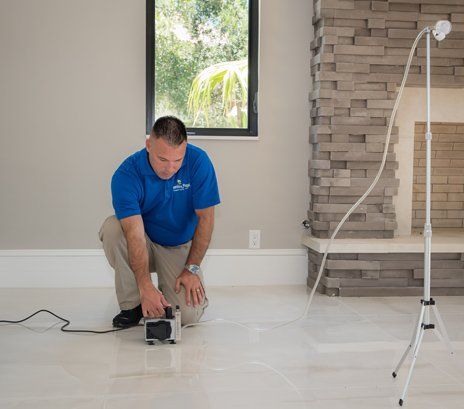
In Satellite Beach, mold inspections are often requested not because homeowners see obvious mold—but because something feels off. A lingering musty odor, recurring moisture, or unexplained humidity inside the home can signal problems that aren’t visible on the surface. In a coastal town like Satellite Beach, where humidity and salt air are constant, mold inspections are one of the most effective ways to understand what’s really happening inside a home.
A mold inspection isn’t about jumping to worst-case conclusions. It’s about clarity. For homeowners in Brevard County, especially near the coast, inspections help identify moisture conditions early—before mold becomes widespread or expensive to fix.
Why Mold Inspections Are Especially Important in Satellite Beach
Satellite Beach sits directly along the Atlantic, which means homes are exposed to moisture from every direction. Even on sunny days, humidity levels remain elevated, and drying happens slowly.
Local factors that increase mold risk include:
- Constant coastal humidity
- Salt air degrading seals and building materials
- Wind-driven rain during storms
- Homes kept closed and air-conditioned most of the year
- Slab foundations that trap moisture beneath flooring
Because moisture problems often start small and hidden, inspections are critical for catching issues early.
What a Mold Inspection Actually Looks For
A professional mold inspection is not just a visual check for mold spots. It’s an evaluation of conditions that allow mold to grow.
A proper inspection focuses on:
- Moisture sources
- Areas where water may be trapped
- Ventilation and airflow
- Building materials affected by humidity
- Signs of past or ongoing water intrusion
Mold doesn’t grow without moisture, so inspections always start there.
Common Reasons Homeowners Request Mold Inspections
In Satellite Beach, mold inspections are commonly requested when homeowners notice:
- Musty or earthy odors
- Odors stronger when the AC runs
- Condensation around vents or windows
- Recurring surface mold after cleaning
- Past water damage from storms or leaks
- Concerns during home buying or selling
These signs don’t always mean mold is widespread—but they do mean moisture should be evaluated.
Where Mold Inspectors Look First in Coastal Homes
Because mold often hides, inspectors focus on areas where moisture commonly lingers in beachside homes.
High-priority areas include:
- Bathrooms and laundry rooms
- Behind drywall near plumbing lines
- Under sinks and inside cabinets
- Beneath laminate or vinyl flooring
- Attics after roof leaks
- Around HVAC air handlers and ductwork
Visible mold is only one piece of the puzzle.
Hidden Mold: A Major Focus of Inspections
Hidden mold is extremely common in Satellite Beach homes. Coastal moisture often enters areas that homeowners rarely inspect.
Hidden mold is frequently found:
- Inside wall cavities
- Beneath flooring on slab foundations
- Inside attic insulation
- Behind vanities and closets
- Inside HVAC systems
Mold inspections are designed to identify these hidden risks before they become visible damage.
How Moisture Detection Works During an Inspection
Moisture detection is one of the most important parts of a mold inspection. Inspectors use tools to identify damp areas that aren’t obvious to the eye.
This may include:
- Moisture meters for walls and floors
- Infrared imaging to spot temperature and moisture differences
- Visual assessment of staining or warping
- Humidity readings throughout the home
Finding moisture early often prevents mold from developing at all.
Mold Testing vs Mold Inspection: What’s the Difference?
Homeowners often confuse testing with inspection, but they serve different purposes.
Mold inspection focuses on:
- Finding moisture
- Identifying mold-friendly conditions
- Locating visible and hidden growth
Mold testing may be used when:
- Mold is suspected but not visible
- Odors persist without a clear source
- Verification is needed after remediation
Testing is most helpful when guided by inspection findings.
Why DIY Mold Checks Fall Short
DIY mold tests and visual checks can be misleading—especially in Florida’s humid environment.
DIY limitations include:
- No moisture assessment
- No comparison to outdoor mold levels
- No evaluation of hidden areas
- Results without interpretation
In coastal areas like Satellite Beach, background mold levels are naturally high, making DIY results unreliable without context.
Mold Inspections After Storms and Hurricanes
After storms, mold inspections become especially important—even if no flooding occurred.
Storm-related risks include:
- Wind-driven rain entering small openings
- Moisture trapped in walls or attics
- Power outages delaying drying
- Elevated humidity for days afterward
Mold often appears weeks after storms, not immediately.
The Role of HVAC Systems in Mold Inspections
HVAC systems are closely evaluated during mold inspections because they can hide and distribute mold.
Inspectors often assess:
- Air handlers and drain pans
- Condensate drain lines
- Internal duct insulation
- Condensation near vents
If mold is present inside HVAC components, it can affect the entire home.
What Happens After a Mold Inspection
After an inspection, homeowners receive clear information about:
- Whether mold is present or likely to develop
- Where moisture issues exist
- What areas need attention
- Whether remediation is necessary
Not every inspection leads to mold removal. In many cases, correcting moisture and ventilation issues is enough.
Brevard Mold Inspections & Removal approaches mold inspections in Satellite Beach with a calm, homeowner-focused process—providing facts and options without pressure.
How Mold Inspections Help Prevent Bigger Problems
Early inspections can:
- Catch leaks before mold develops
- Prevent repeated surface mold
- Reduce repair costs
- Protect indoor air quality
- Provide peace of mind
In coastal homes, prevention is always easier than remediation.
Preventing Mold After an Inspection
Inspectors often recommend practical steps based on findings, such as:
- Improving ventilation
- Addressing minor leaks
- Maintaining AC systems
- Monitoring indoor humidity
- Checking attics and crawl spaces regularly
These small adjustments can dramatically reduce mold risk in Satellite Beach homes.
Why Local Satellite Beach Experience Matters
Mold inspections are not one-size-fits-all. Coastal homes behave differently than inland homes.
Local professionals understand:
- How salt air affects seals and flashing
- Where wind-driven rain commonly enters
- How slab foundations trap moisture
- How coastal humidity slows drying
This local knowledge is critical for accurate inspections.
A Calm, Practical Takeaway for Homeowners
A mold inspection in Satellite Beach is about understanding your home—not assuming the worst. In Brevard County’s coastal climate, moisture problems can develop quietly, and inspections provide clarity before small issues become major ones.
If your home has musty odors, recurring moisture, or a history of water exposure, a professional mold inspection can help you make informed decisions. Knowing where moisture is—and why it’s there—is the most effective way to protect your home, preserve its value, and maintain indoor comfort along Florida’s Space Coast.