Mold Remediation in Cocoa Beach: What Homeowners in Brevard County Should Know
Mold remediation is a common need for homeowners in Cocoa Beach, where ocean air, steady humidity, and frequent storms create ongoing moisture challenges. Mold rarely appears without warning—it usually follows moisture that didn’t dry out completely. In coastal Brevard County, that moisture can linger in attics, walls, HVAC systems, and under flooring long after surfaces look dry.
Understanding what mold remediation actually involves—and why it’s different from simple cleanup—helps Cocoa Beach homeowners address problems calmly and prevent repeat growth.
What Mold Remediation Really Means
Mold remediation is a structured process focused on removing mold safely and correcting the moisture conditions that caused it. It’s not just wiping away visible spots.
In Cocoa Beach homes, mold often affects drywall, insulation, wood framing, flooring, and HVAC components. If moisture remains after cleaning, mold almost always returns. Proper remediation combines containment, removal, moisture correction, and prevention planning so the home stays dry long-term.
The goal is stability, not cosmetic improvement.
Why Mold Remediation Is Common in Cocoa Beach
Cocoa Beach’s coastal environment places constant moisture pressure on homes. High humidity slows drying, salt air accelerates wear on materials, and wind-driven rain can push water into small openings.
Local factors that commonly lead to remediation include:
- Near year-round humidity and salt air exposure
- Roof or window leaks after storms
- Slab foundations trapping moisture beneath flooring
- Attics exposed to hot, humid air
- AC systems producing constant condensation
- Bathroom or kitchen exhaust fans venting into attics
Even well-maintained homes can develop mold if moisture isn’t managed consistently.
Signs Mold Remediation May Be Needed
Mold isn’t always obvious. Many homeowners notice indirect signs first.
Common indicators include:
- Persistent musty or earthy odors
- Mold that keeps returning after cleaning
- Discoloration on walls or ceilings
- Bubbling paint or warped drywall
- Damp indoor air or humidity that won’t settle
These signs usually mean moisture is still present somewhere in the home.
Hidden Mold in Coastal Homes
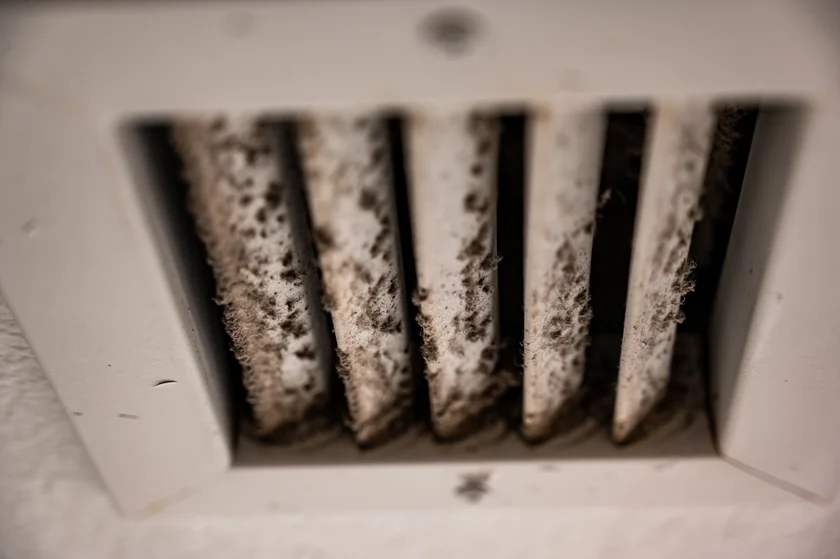
Hidden mold is especially common in Cocoa Beach. Mold often grows behind walls after plumbing leaks, under flooring after minor water intrusion, or inside HVAC systems where condensation forms.
Attics are another frequent trouble spot, particularly after storms. Because these areas aren’t visible, mold can spread quietly for months before being discovered—often when odors persist or materials begin to fail.
Hidden growth is one of the main reasons remediation is necessary instead of surface cleaning.
Why DIY Cleanup Isn’t Mold Remediation
DIY mold cleanup usually focuses on what’s visible. Scrubbing or repainting may improve appearance temporarily, but it rarely fixes the underlying moisture issue.
Common DIY mistakes include:
- Using bleach on porous materials
- Painting over stains and trapping moisture
- Ignoring leaks behind walls or under floors
- Spreading spores by cleaning without containment
- Missing attic or HVAC-related mold sources
Without moisture correction, mold typically returns—sometimes more widespread than before.
How Professional Mold Remediation Works
Professional remediation follows a careful, step-by-step approach:
- Assessment to identify moisture sources and affected materials
- Containment to prevent mold from spreading
- Safe removal or treatment of impacted materials
- Moisture correction (repairs, ventilation, drainage)
- Prevention planning to keep conditions stable
Local professionals such as Brevard Mold Inspections & Removal understand Cocoa Beach construction styles, coastal exposure, and common moisture pathways found throughout Brevard County homes.
Mold Remediation After Storms and Water Damage
Storms and hurricanes are a major trigger for mold remediation in Cocoa Beach. Even without flooding, wind-driven rain can enter attics, walls, and roof assemblies.
If wet materials aren’t dried properly, mold can develop within days. Remediation after storms requires moisture detection, controlled drying, and inspection of hidden areas like insulation and ductwork.
Early action reduces the scope of remediation needed.
Mold Remediation and Indoor Comfort
Mold can affect more than surfaces. When growth occurs in hidden areas or HVAC systems, spores and damp air may circulate throughout the home.
Homeowners may notice lingering odors, uneven cooling, or a general sense that the air feels heavy. While symptoms alone don’t confirm mold, they often point to moisture problems remediation should address.
Restoring dry conditions helps bring indoor comfort back to normal.
Preventing Mold After Remediation
Successful remediation always includes prevention. Once mold is removed, controlling moisture is critical to keeping it from returning.
Helpful prevention steps for Cocoa Beach homeowners include:
- Maintaining AC systems and clearing drain lines
- Using bathroom and kitchen exhaust fans consistently
- Monitoring indoor humidity levels
- Sealing attic access points and duct leaks
- Inspecting attics and HVAC systems regularly
- Addressing leaks immediately, even small ones
Coastal homes benefit from routine moisture checks, especially after storms.
Why Local Experience in Brevard County Matters
Mold remediation in coastal Florida differs from drier regions. Salt air, slab foundations, wind-driven rain, and constant humidity require local knowledge.
Homes in Cocoa Beach face different moisture challenges than inland areas like Viera or Palm Bay. Local experience ensures remediation strategies are realistic, targeted, and effective for Brevard County conditions.
A Calm, Informed Way Forward
Mold remediation doesn’t need to feel overwhelming. With proper inspection, moisture correction, and professional remediation, most mold problems in Cocoa Beach can be resolved effectively.
Understanding why mold formed—and fixing the conditions that allowed it to grow—protects both the home and indoor comfort. A professional evaluation provides clarity, helping homeowners move forward with confidence rather than uncertainty.
Images for This Article