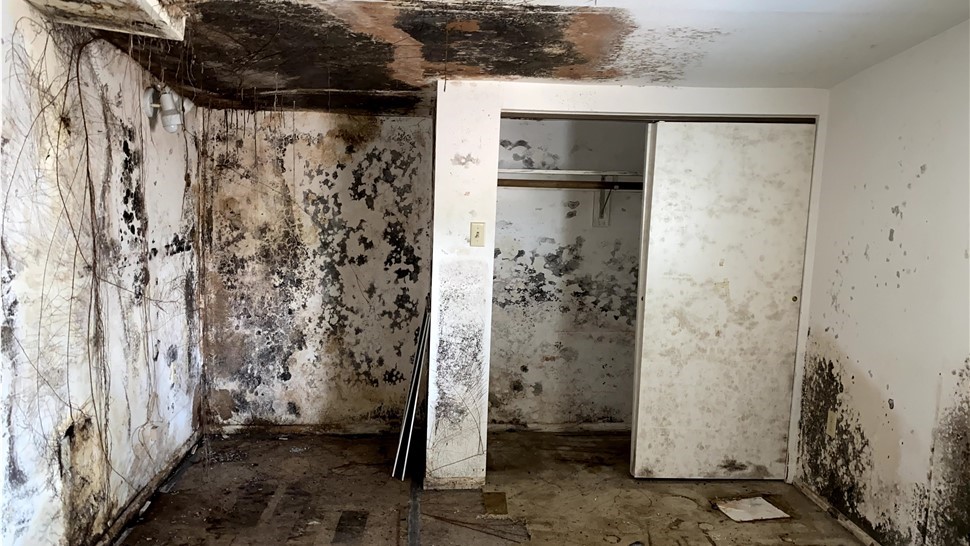
Mold Testing in Indian Harbour Beach: What Homeowners in Brevard County Should Know
Living in Indian Harbour Beach means enjoying ocean breezes and a relaxed coastal lifestyle—but it also means dealing with constant moisture. High humidity, salt air, and frequent storms create conditions where mold concerns come up often. For many homeowners, the question isn’t “I see mold”—it’s “Something doesn’t feel right inside my home.” That’s where mold testing becomes useful.
Mold testing in Indian Harbour Beach is not about assuming the worst or creating unnecessary alarm. It’s about gathering clear information so homeowners can understand what’s happening indoors and decide what, if anything, needs to be done. In Brevard County’s coastal environment, testing is often used to confirm suspicions, rule out concerns, or guide next steps after moisture issues.
Why Mold Testing Is Common in Indian Harbour Beach Homes
Indian Harbour Beach homes are exposed to moisture almost constantly. Even on dry, sunny days, humidity levels remain elevated, and salt air slowly works its way into building materials. This makes mold growth more likely to develop quietly, without obvious surface signs.
Local factors that increase the need for mold testing include:
- High coastal humidity year-round
- Salt air affecting seals, windows, and roofs
- Wind-driven rain during storms
- Homes kept closed and air-conditioned most of the year
- Long AC run times producing condensation
- Slab foundations that trap moisture beneath flooring
Because mold often grows out of sight, testing is commonly used when homeowners sense a problem but can’t see one.
What Mold Testing Is Designed to Do
Mold testing is a diagnostic tool, not a conclusion on its own. It helps determine whether mold is present indoors at elevated levels and whether it’s likely coming from inside the home rather than outdoor air.
Mold testing can help answer questions such as:
- Are indoor mold levels higher than outdoor levels?
- Is there evidence of hidden mold growth?
- Do test results match moisture conditions in the home?
- Is further inspection or remediation actually necessary?
Testing works best when combined with a professional inspection that looks at moisture sources and building conditions.
When Mold Testing Makes Sense for Homeowners
Not every situation requires mold testing, but there are scenarios where it provides valuable clarity—especially in coastal homes.
Mold testing is often appropriate when:
- Musty or earthy odors persist
- Mold is suspected but not visible
- Odors are strongest when the AC runs
- There is a history of storms or water intrusion
- Mold was previously cleaned but concerns remain
- A real estate transaction requires documentation
- Verification is needed after remediation
In Indian Harbour Beach, testing is frequently used to confirm what moisture conditions are already suggesting.
Common Signs That Lead Homeowners to Mold Testing
Homeowners often request mold testing after noticing changes that don’t have an obvious explanation.
Common warning signs include:
- Persistent musty smells
- Odors that come and go with AC operation
- Condensation around vents or windows
- Bubbling paint or peeling drywall
- Warped or soft flooring
- Indoor humidity that feels hard to control
These signs don’t confirm mold on their own—but they strongly suggest moisture conditions that deserve evaluation.
Hidden Mold: A Major Reason for Testing
One of the biggest reasons mold testing is valuable in Indian Harbour Beach is hidden mold. Coastal moisture often enters areas homeowners rarely inspect.
Hidden mold is commonly found:
- Behind bathroom and kitchen walls
- Beneath laminate or vinyl flooring
- Inside attic insulation after roof leaks
- Around HVAC air handlers and ductwork
- Behind cabinets and vanities
- Inside wall cavities on exterior walls
Because mold doesn’t need light, it can grow undetected for long periods before any surface signs appear.
How Professional Mold Testing Is Performed
Professional mold testing follows a structured process designed to gather meaningful data—not just samples.
A typical testing process may include:
Visual Inspection
The inspector looks for visible mold, water staining, condensation, and construction features that trap moisture.
Moisture Detection
Moisture meters and thermal imaging tools are used to identify damp materials behind walls, floors, and ceilings.
Air Sampling
Indoor air samples may be compared to outdoor air samples to determine whether indoor mold levels are elevated.
Surface Sampling
Samples may be collected from specific areas when visible growth or suspicious surfaces are present.
Laboratory Analysis
Samples are analyzed by an accredited laboratory, and results are interpreted alongside inspection findings.
Testing is used selectively—only when it adds clarity to the overall picture.
Understanding Mold Test Results Without Confusion
Mold test reports can look technical, but numbers alone don’t tell the whole story. Mold spores are naturally present in Florida’s air, especially in coastal areas like Indian Harbour Beach.
What matters most is:
- Indoor levels compared to outdoor levels
- Types of mold present and where they were found
- Whether results align with moisture and inspection findings
A professional explanation focuses on what the results mean for your specific home, not worst-case scenarios.
Why DIY Mold Test Kits Are Often Misleading
DIY mold test kits are widely available, but they frequently create more confusion than clarity—especially in Florida’s humid climate.
Common limitations include:
- No outdoor baseline for comparison
- No moisture assessment
- No inspection of hidden areas
- Results without professional interpretation
In coastal environments, background mold levels are naturally high, which can make DIY results appear alarming even when conditions are normal.
Mold Testing vs Mold Remediation
Mold testing does not automatically mean mold remediation is needed. In many cases, testing confirms that moisture control—not removal—is the appropriate next step.
Testing is used to:
- Confirm or rule out mold concerns
- Identify hidden growth
- Guide targeted remediation if needed
- Verify conditions after remediation
Removal is only recommended when inspection and testing show it’s necessary.
Brevard Mold Inspections & Removal approaches mold testing in Indian Harbour Beach with a calm, homeowner-focused process—providing clear information without exaggeration or pressure.
Mold Testing After Storms or Water Damage
After storms, mold testing can help determine whether moisture has fully dried or if mold is beginning to develop behind surfaces.
Testing is often helpful when:
- Water intrusion wasn’t obvious
- Odors appear weeks after a storm
- Drying conditions were slow due to humidity
- Hidden areas may have stayed damp
Early testing can prevent small moisture issues from becoming larger mold problems.
Preventing Mold After Testing
Whether testing confirms mold or not, prevention is always part of the conversation in Indian Harbour Beach.
Effective prevention steps include:
- Regular AC maintenance and drain line cleaning
- Using bathroom and kitchen exhaust fans consistently
- Monitoring indoor humidity levels
- Inspecting attics after storms
- Sealing gaps around windows and doors
- Addressing leaks immediately
Prevention focuses on moisture control—not constant worry.
Why Local Coastal Experience Matters
Mold testing in Indian Harbour Beach is different from testing inland. Coastal humidity, salt air, and storm exposure all affect results and interpretation.
Local professionals understand:
- How coastal air affects mold levels
- Where moisture commonly hides in beachside homes
- How HVAC systems behave in humid environments
- How slab foundations retain moisture
Local experience ensures testing results are interpreted realistically.
A Calm, Practical Takeaway for Homeowners
Mold testing in Indian Harbour Beach is about clarity, not fear. In a coastal environment where moisture is constant, testing helps homeowners understand whether mold is actually affecting their home—or whether conditions simply need adjustment.
If you’re dealing with musty odors, past water exposure, recurring moisture, or unexplained indoor discomfort, professional mold testing can provide useful answers. Knowing what’s happening inside your home allows you to act confidently, protect your property, and avoid unnecessary guesswork in Brevard County’s coastal climate.