Humidity and Mold in Palm Bay: What Homeowners in Brevard County Should Know
If you live in Palm Bay, humidity isn’t just something you notice outside—it’s something your home deals with every single day. Even when there’s no rain, no leaks, and no obvious water damage, indoor moisture can quietly build up. Over time, that humidity becomes the number one reason mold develops in Palm Bay homes.
Humidity-related mold problems are extremely common in Brevard County, and they often confuse homeowners because nothing dramatic seems to trigger them. Understanding how humidity behaves in Palm Bay homes, where moisture gets trapped, and how mold uses that moisture helps homeowners prevent ongoing issues before they turn into costly repairs.
Why Palm Bay Homes Struggle With Humidity
Palm Bay sits inland but still feels the effects of Florida’s coastal climate. Warm air holds a lot of moisture, and much of the year, outdoor humidity stays high—even on sunny days.
Local conditions that contribute to indoor humidity include:
- High year-round outdoor humidity
- Frequent rain and storm systems
- Warm nighttime temperatures that slow drying
- Homes sealed tightly for energy efficiency
- Long air-conditioning seasons
- Slab foundations common in Palm Bay neighborhoods
Because of this, homes rarely get a true “dry-out” period, allowing moisture to accumulate indoors.
How Humidity Leads to Mold Growth
Mold spores are always present in Florida air. They don’t cause problems unless they land on a surface that stays damp long enough to support growth.
High indoor humidity can:
- Prevent surfaces from fully drying
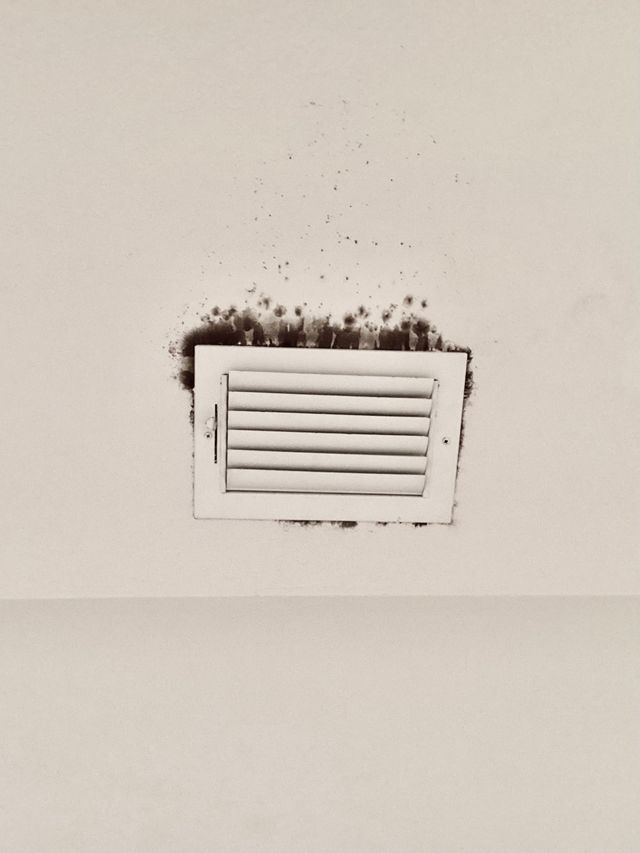
- Create condensation on walls, ceilings, and vents
- Keep porous materials like drywall and wood slightly damp
- Feed hidden mold growth behind surfaces
In Palm Bay homes, mold often develops without any visible leak, simply because humidity remains elevated over time.
Areas Most Affected by Humidity-Related Mold
Humidity doesn’t affect all parts of a home equally. Some areas naturally hold moisture longer.
High-risk areas include:
- Bathrooms with limited ventilation
- Closets on exterior walls
- Bedrooms with closed doors and low airflow
- HVAC air handlers and ductwork
- Attics with poor ventilation
- Areas beneath flooring on slab foundations
Mold often begins in these spaces quietly and spreads gradually.
Why Air Conditioning Alone Isn’t Always Enough
Many homeowners assume that running the AC controls humidity automatically. While AC systems remove moisture, they aren’t always able to keep up—especially if they’re oversized, poorly maintained, or running short cycles.
Common AC-related humidity issues include:
- Systems cooling air faster than they remove moisture
- Clogged condensate drain lines
- Dirty coils reducing moisture removal
- Poor airflow causing condensation buildup
A home can feel cool and still be too humid for mold prevention.
Signs Humidity May Be Causing Mold
Humidity-related mold issues often show up subtly at first.
Common warning signs include:
- Musty or earthy odors
- Condensation on vents or windows
- Mold that returns after cleaning
- Peeling paint or bubbling drywall
- Rooms that feel damp even when cooled
- Odors stronger when the AC turns on
These signs usually point to moisture conditions rather than surface-level problems.
Hidden Mold Fueled by Humidity
One of the biggest risks of high humidity is hidden mold growth. Moist air can penetrate walls, flooring, and insulation without leaving obvious stains.
Hidden mold commonly develops:
- Behind drywall on exterior walls
- Beneath laminate or vinyl flooring
- Inside wall cavities with limited airflow
- In attic insulation during humid months
- Around HVAC components
By the time visible mold appears, humidity may have been feeding growth for months.
Slab Foundations and Trapped Moisture
Most Palm Bay homes are built on slab foundations. Slabs can hold and transfer moisture upward, especially when humidity is high.
This can lead to:
- Condensation beneath flooring
- Mold growth under vinyl, laminate, or tile
- Persistent odors without visible mold
Humidity control is especially important in slab homes to prevent mold from developing out of sight.
Why DIY Cleaning Doesn’t Solve Humidity Mold
DIY mold cleanup may remove visible staining, but it rarely fixes humidity-related mold.
DIY approaches fail because:
- Moisture sources remain unchanged
- Mold roots stay embedded in materials
- Cleaning adds additional moisture
- Hidden mold continues to grow
As long as humidity stays high, mold usually returns—often in the same spots.
How Professional Mold Inspections Address Humidity Issues
A professional mold inspection looks beyond surface growth and focuses on how moisture behaves inside the home.
A humidity-focused inspection may include:
- Measuring moisture levels in walls and floors
- Evaluating HVAC performance and drainage
- Inspecting attics for condensation patterns
- Identifying airflow and ventilation issues
- Locating hidden damp areas
This approach helps homeowners understand whether humidity is driving mold growth.
Brevard Mold Inspections & Removal works with Palm Bay homeowners to identify humidity-related mold conditions calmly and clearly, focusing on causes rather than assumptions.
Mold Testing and Humidity
Mold testing isn’t always required, but it can help in situations where humidity-related mold is suspected but not visible.
Testing may be helpful when:
- Odors persist without visible mold
- Mold keeps returning after cleaning
- Confirmation is needed after remediation
- Hidden growth is suspected
Testing is most effective when paired with inspection findings that explain moisture patterns.
Correcting Humidity to Prevent Mold
Preventing mold in Palm Bay homes starts with consistent humidity control.
Effective strategies include:
- Regular AC maintenance and coil cleaning
- Keeping condensate drain lines clear
- Using bathroom and kitchen exhaust fans
- Improving airflow in closed rooms and closets
- Monitoring indoor humidity levels
- Addressing minor leaks promptly
Small, consistent steps are more effective than extreme measures.
Humidity After Storms and Power Outages
Storms and power outages can cause indoor humidity to spike dramatically—even without water intrusion.
After storms:
- AC systems may shut down
- Humidity rises quickly indoors
- Drying slows significantly
- Mold can begin developing in hidden areas
Post-storm inspections help catch humidity-related problems early.
Why Local Palm Bay Experience Matters
Humidity-driven mold behaves differently in Florida than in drier climates. Palm Bay homes face challenges tied to heat, storms, slab construction, and long cooling seasons.
Local professionals understand:
- How Palm Bay humidity affects homes year-round
- Where moisture commonly gets trapped
- How HVAC systems influence indoor moisture
- How quickly mold can develop in this climate
Local experience leads to better evaluations and longer-lasting solutions.
A Calm, Practical Takeaway for Homeowners
Humidity and mold go hand in hand in Palm Bay—but mold problems don’t have to be inevitable. Most issues develop slowly from moisture that stayed too long, not from neglect or extreme events.
If your home has recurring mold, musty odors, or humidity that feels hard to control, a professional inspection can provide clarity. Understanding how humidity is affecting your home is the most effective way to prevent mold, protect your property, and stay comfortable in Brevard County’s challenging climate.