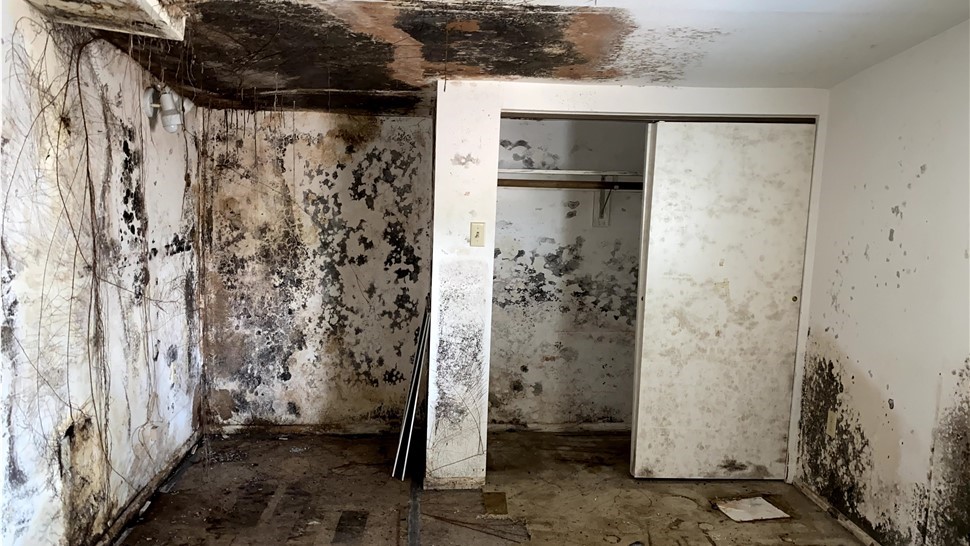
Hidden Mold Problems in Cocoa Beach: What Homeowners in Brevard County Should Know
In Cocoa Beach, mold problems don’t always announce themselves with obvious stains or visible patches. In fact, many of the most damaging mold issues are hidden, quietly growing behind walls, under floors, or above ceilings while the home looks perfectly fine on the surface. By the time homeowners notice a musty odor or ongoing humidity issues, hidden mold may already be well established.
Hidden mold problems are especially common in Brevard County’s coastal environment. Salt air, constant humidity, frequent storms, and long air-conditioning seasons create conditions where moisture lingers out of sight. Understanding how hidden mold develops in Cocoa Beach homes, where it tends to hide, and what warning signs to watch for helps homeowners address problems early—before they become disruptive or costly.
Why Hidden Mold Is So Common in Cocoa Beach Homes
Cocoa Beach sits directly along the Atlantic, where moisture is part of everyday life. Even without flooding or obvious leaks, water vapor and humidity constantly interact with building materials.
Local conditions that increase hidden mold risk include:
- Year-round coastal humidity
- Wind-driven rain during storms
- Salt air degrading seals and caulking
- Homes kept closed and air-conditioned most of the year
- Slab foundations that trap moisture beneath flooring
- Slow drying due to warm, humid air
These conditions allow moisture to enter small spaces and remain there long enough for mold to grow—without visible clues.
How Hidden Mold Develops
Hidden mold usually doesn’t start with a dramatic event. It develops gradually when moisture repeatedly enters the same area and never fully dries.
Typical scenarios include:
- Small roof leaks after storms
- Condensation around HVAC components
- Bathroom steam entering wall cavities
- Minor plumbing leaks behind walls
- Moisture seeping beneath flooring
Because these moisture sources are subtle, mold growth often goes unnoticed until secondary signs appear elsewhere in the home.
Common Places Hidden Mold Grows in Cocoa Beach Homes
Hidden mold thrives in dark, enclosed spaces where moisture can’t evaporate easily. In coastal homes, these areas are widespread.
High-risk hidden locations include:
- Behind drywall on exterior walls
- Beneath laminate, vinyl, or tile flooring
- Inside wall cavities near plumbing lines
- Inside attic insulation after roof leaks
- Around HVAC air handlers and ductwork
- Behind bathroom vanities and kitchen cabinets
Visible mold is often just the tip of the iceberg compared to what’s hidden behind surfaces.
Why Hidden Mold Is Hard to Detect
Hidden mold doesn’t need light, airflow, or visible water to grow. It also doesn’t always produce strong odors right away.
Hidden mold often goes undetected because:
- Walls and floors look normal
- Odors start subtly and gradually
- Mold grows behind finished surfaces
- Homes feel clean and well maintained
By the time symptoms become obvious, moisture and mold may have been present for months.
Warning Signs That Suggest Hidden Mold
Even when mold isn’t visible, homes often show indirect signs that something isn’t right.
Common warning signs include:
- Persistent musty or earthy odors
- Odors stronger when the AC runs
- Humidity that feels hard to control
- Mold that keeps returning after cleaning
- Peeling paint or bubbling drywall
- Discoloration near baseboards or ceilings
These symptoms often point to moisture and mold behind surfaces—not just surface-level issues.
HVAC Systems and Hidden Mold
HVAC systems play a major role in hidden mold problems in Cocoa Beach homes. AC systems remove moisture from the air, but when drainage or airflow issues occur, they can become moisture sources themselves.
Hidden mold commonly develops:
- Inside air handlers
- On evaporator coils
- In drain pans with standing water
- Inside duct insulation
- Around supply vents with condensation
Because HVAC systems circulate air throughout the home, hidden mold here can affect indoor conditions everywhere.
Slab Foundations and Hidden Mold Beneath Floors
Most Cocoa Beach homes are built on slab foundations. Slabs can hold moisture and allow it to migrate upward, especially during humid weather.
This can lead to:
- Mold growing beneath flooring materials
- Odors without visible mold
- Soft or uneven floors
- Mold that reappears after surface cleaning
Hidden mold beneath flooring is one of the most overlooked problems in coastal Florida homes.
Attics: A Common Hidden Mold Zone
Attics are another frequent location for hidden mold, especially after storms.
In Cocoa Beach, attic mold often develops due to:
- Wind-driven rain entering small roof openings
- Bathroom exhaust fans venting into the attic
- Condensation forming on roof decking
- Wet insulation drying slowly
Because attics are rarely inspected, mold can spread extensively before detection.
Why DIY Cleanup Doesn’t Solve Hidden Mold
DIY mold cleanup focuses on visible areas, which is why hidden mold problems persist or worsen after cleaning.
DIY approaches fail because:
- Hidden mold remains untouched
- Moisture sources aren’t identified
- Scrubbing spreads spores
- Bleach doesn’t penetrate porous materials
- Added moisture encourages regrowth
In Cocoa Beach’s humid climate, hidden mold almost always returns if moisture isn’t corrected.
The Importance of Professional Mold Inspections
Hidden mold problems require a different approach than surface cleaning. A professional mold inspection focuses on conditions, not assumptions.
An inspection may include:
- Moisture readings inside walls and floors
- Attic inspections for roof-related moisture
- HVAC system evaluation
- Identification of hidden damp areas
- Correlating odors and symptoms to moisture sources
This approach helps homeowners understand where mold is growing and why.
Brevard Mold Inspections & Removal works with Cocoa Beach homeowners to identify hidden mold problems clearly and calmly, without fear-based language or unnecessary demolition.
When Mold Testing Is Helpful for Hidden Mold
Mold testing isn’t always required, but it can be useful when hidden growth is suspected.
Testing may help when:
- Odors persist without visible mold
- Mold keeps returning after cleanup
- Confirmation is needed after remediation
- HVAC involvement is suspected
Testing is most effective when guided by inspection findings that explain moisture behavior.
Proper Remediation for Hidden Mold
Hidden mold remediation focuses on removal and prevention, not cosmetic repair.
A proper approach may include:
- Containment to prevent spore spread
- Removal of contaminated porous materials
- Cleaning remaining surfaces appropriately
- Correcting moisture sources
- Thorough drying and humidity control
Without addressing moisture, hidden mold will continue to return.
Hidden Mold After Storms and Power Outages
Storms often trigger hidden mold problems—even when no flooding occurs.
After storms:
- Wind-driven rain enters unnoticed
- Power outages stop humidity control
- Materials stay damp longer
- Mold begins growing behind surfaces
Hidden mold related to storms often appears weeks later.
Preventing Hidden Mold in Cocoa Beach Homes
Preventing hidden mold focuses on controlling moisture consistently.
Helpful prevention steps include:
- Regular HVAC maintenance and drain line cleaning
- Using bathroom exhaust fans consistently
- Monitoring indoor humidity
- Inspecting attics after storms
- Addressing small leaks immediately
- Allowing airflow in closets and storage areas
Early attention prevents hidden problems from growing larger.
Why Local Cocoa Beach Experience Matters
Hidden mold behaves differently in coastal homes than inland properties. Cocoa Beach homes face challenges tied to salt air, storms, slab foundations, and constant humidity.
Local professionals understand:
- Where moisture commonly hides in beachside homes
- How HVAC systems influence hidden mold
- How storms affect drying timelines
- How slab foundations trap moisture
Local experience leads to more accurate assessments and lasting solutions.
A Calm, Practical Takeaway for Homeowners
Hidden mold problems in Cocoa Beach are common—but they don’t have to become overwhelming. Most issues stem from moisture that stayed too long in places homeowners can’t see.
If your home has persistent musty odors, recurring mold, or unexplained humidity, a professional inspection can provide clarity. Identifying hidden mold early helps protect your home, preserve its value, and maintain indoor comfort in Brevard County’s challenging coastal climate.