
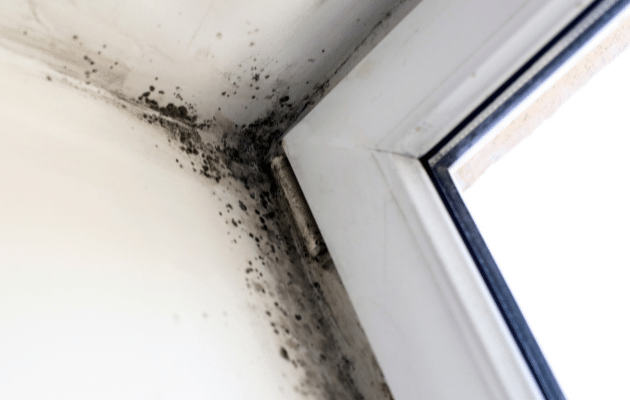
Mold FAQs in Merritt Island: What Homeowners in Brevard County Should Know
Mold questions come up constantly for homeowners in Merritt Island. Living between the Indian River and the Banana River means homes are exposed to high humidity, coastal moisture, frequent storms, and year-round air conditioning. Even well-maintained homes can develop mold when moisture behaves in ways that aren’t always obvious.
This FAQ-style guide answers the most common mold questions we hear from homeowners in Merritt Island and across Brevard County. The goal is simple: clear, practical information that helps you understand what’s normal for this area, what isn’t, and when it makes sense to take action.
Is mold common in Merritt Island homes?
Yes. Mold is very common in Merritt Island, largely because of the local environment. High humidity, salt air, and warm temperatures slow drying and allow moisture to linger inside homes.
Mold presence does not automatically mean a home is poorly built or neglected. In Brevard County, mold is usually the result of moisture conditions rather than cleanliness or lifestyle.
Does mold only grow after flooding or major water damage?
No. Flooding is not required for mold to grow.
Many mold problems in Merritt Island develop without any obvious water event. High indoor humidity, AC condensation, small roof leaks, plumbing leaks, or window intrusion can all introduce enough moisture for mold to grow.
In fact, some of the most persistent mold issues come from slow, unnoticed moisture rather than dramatic water damage.
How quickly can mold start growing in Florida homes?
In Florida’s climate, mold can begin growing within 24 to 48 hours once materials stay damp.
Warm temperatures and high humidity speed up the process. This is why quick drying and moisture control are so important after leaks or storms, even when damage seems minor.
Where does mold usually hide?
Mold often grows where homeowners don’t look.
Common hidden locations include behind drywall, under flooring, above ceilings, inside attics, within HVAC systems, and inside wall cavities. Visible mold is often just the tip of the iceberg.
In Merritt Island homes, mold is frequently discovered during inspections rather than through obvious surface growth.
Is black mold always dangerous?
Color alone does not determine how serious a mold problem is. Many molds appear black, dark green, or brown.
What matters is why the mold is there and how extensive it is. Any mold growth indicates a moisture problem that should be addressed, regardless of color.
Focusing on moisture control is far more productive than focusing on mold labels.
Why does mold keep coming back after cleaning?
Recurring mold almost always means moisture is still present.
Cleaning removes visible mold but does not fix humidity, leaks, condensation, or ventilation problems. As long as moisture remains, mold is likely to return.
This is one of the most common frustrations homeowners face in Merritt Island.
Does bleach kill mold?
Bleach can remove surface staining, but it does not penetrate porous materials like drywall, wood, insulation, or grout backing.
Mold often grows into these materials, where bleach cannot reach. The water in bleach can also soak into porous surfaces and feed mold growth beneath the surface.
This is why mold often returns quickly after bleach cleaning.
Can mold spread through the HVAC system?
Yes. HVAC systems are a common mold pathway in Brevard County homes.
Mold can grow in air handlers, drain pans, coils, ductwork, and around vents when condensation is present. When the system runs, air movement can distribute odors and moisture throughout the home.
Musty smells when the AC turns on are often linked to HVAC-related mold.
What are early signs of a mold problem?
Some of the earliest signs are subtle.
Persistent musty or damp odors are common. Rooms may feel more humid than others, even when the AC is running. Condensation on vents, windows, or walls can also be a warning sign.
Peeling paint, bubbling drywall, warped baseboards, or flooring that feels soft may indicate moisture and possible hidden mold.
Can mold exist even if I don’t see it?
Yes. Hidden mold is extremely common in Merritt Island homes.
Mold frequently grows behind walls, under floors, or in attics long before it becomes visible. Many homeowners only discover mold after odors persist or during inspections for unrelated reasons.
Visible mold usually appears late in the process.
When is mold testing helpful?
Mold testing can be helpful when mold is suspected but not visible, when documentation is needed, or when homeowners want more clarity about indoor conditions.
Testing is not always necessary when visible mold and moisture sources are obvious. Identifying and correcting moisture is always more important than test results alone.
What does a professional mold inspection involve?
A professional mold inspection focuses on moisture first.
Inspectors evaluate bathrooms, kitchens, attics, HVAC systems, walls, ceilings, and areas with past water damage. Moisture meters and thermal imaging help locate damp materials behind surfaces.
When appropriate, air or surface sampling may be used to support findings and provide documentation. The goal is understanding conditions, not creating alarm.
Can DIY mold cleanup make things worse?
Yes. Scrubbing or spraying mold without containment can release spores into the air and spread them through the home, especially via HVAC systems.
DIY cleanup also rarely addresses moisture sources, which is why mold keeps returning. In some cases, well-intended cleaning turns a small issue into a larger one.
How does mold affect the rest of the home?
Air moves between rooms, attics, crawl spaces, and wall cavities. Mold in one area can influence odors, humidity, and comfort throughout the home.
In Merritt Island homes, hidden mold is often the reason a house feels damp or musty even when everything looks clean.
What usually causes mold after storms?
Wind-driven rain, roof leaks, window intrusion, and power outages are common contributors.
Even without flooding, moisture can enter attics, walls, and HVAC systems during storms. Mold often develops weeks later, after moisture goes unnoticed.
Post-storm inspections help catch these issues early.
How can homeowners reduce mold risk?
Mold prevention is about moisture control.
Using bathroom exhaust fans, maintaining AC systems, repairing leaks promptly, and monitoring indoor humidity all help reduce risk. After storms, attics and ceilings should be checked even if no damage is visible.
Consistency matters more than occasional cleanup.
When should I call a professional?
If mold keeps returning, musty odors persist, moisture issues are suspected, or your home has a history of leaks or storms, it’s time to get professional input.
Uncertainty alone is a valid reason for an inspection. Clear information helps homeowners make calm, informed decisions.
Why local experience in Brevard County matters
Mold behaves differently in coastal Florida than in dry regions. Merritt Island homes face salt air, slab foundations, storms, and constant humidity.
Local experience means knowing where mold typically develops here and which solutions actually work long-term in this climate.
A Practical Takeaway for Homeowners
Mold questions are normal in Merritt Island. Most mold problems are not emergencies, but they are signals that moisture needs attention.
Understanding how mold develops, where it hides, and why it returns helps homeowners avoid frustration and repeated cleanup. When moisture is managed correctly, mold becomes far easier to control.
Homeowners across Brevard County benefit from accurate information and early assessment. Brevard Mold Inspections & Removal helps homeowners understand mold conditions, identify moisture issues, and take practical steps to protect their homes.
When you understand the “why” behind mold, dealing with it becomes far less overwhelming.