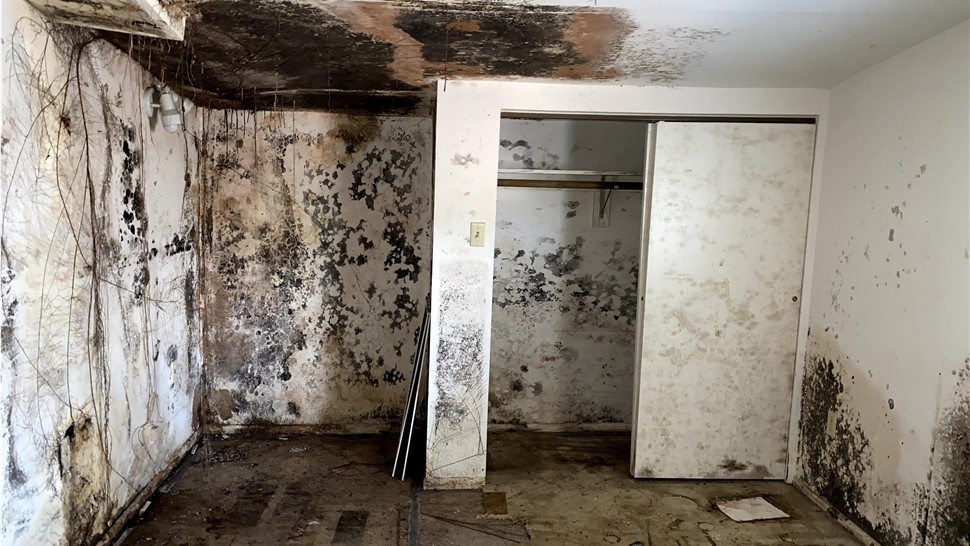
Toxic Mold in Palm Bay: What Homeowners in Brevard County Should Know
The term toxic mold often raises concern for homeowners in Palm Bay — and understandably so. Florida’s humidity, frequent rain, and near-constant air-conditioning create conditions where mold can grow easily if moisture isn’t controlled. When dark or widespread mold is discovered, many people worry about what it means for their home and family.
The good news is that mold issues can be approached calmly and practically. Understanding what “toxic mold” really refers to, why it appears in Palm Bay homes, and how it’s properly evaluated helps homeowners take the right steps without unnecessary fear.
What People Mean by “Toxic Mold”
“Toxic mold” is not a technical construction term. It’s commonly used to describe mold growth that people believe may be harmful due to how it looks, where it’s found, or how long it’s been present.
What matters most is not the label, but:
- The amount of mold present
- The location of growth
- The moisture source feeding it
- Whether the mold is active or historical
In Palm Bay homes, mold often becomes a concern when it grows indoors due to long-term moisture issues — not because it’s rare or unusual.
Why Mold Concerns Are Common in Palm Bay
Palm Bay’s environment creates ideal conditions for mold growth. High humidity levels, heavy seasonal rainfall, and warm temperatures make drying difficult once moisture enters a home.
Local factors that increase mold risk include:
- Slab foundations that trap moisture beneath flooring
- AC systems running year-round and producing condensation
- Plumbing leaks inside walls or under slabs
- Roof leaks after storms
- Power outages that interrupt drying after hurricanes
Homes in Palm Bay, Melbourne, and West Melbourne often experience mold concerns tied to these same moisture patterns.
Where Mold Often Grows in Palm Bay Homes
Mold — including growth people refer to as “toxic” — commonly appears in areas where moisture lingers and airflow is limited.
Typical locations include:
- Behind drywall near plumbing lines
- Under tile, laminate, or carpet flooring
- Inside bathrooms and laundry rooms
- In attics with condensation or roof leaks
- Inside HVAC systems and air handlers
- Under sinks and inside cabinets
In many cases, mold is discovered only after musty odors persist or water damage becomes visible.
Signs Homeowners Often Notice
Visible mold isn’t always the first indicator. Palm Bay homeowners often notice subtle changes before seeing growth.
Common signs include:
- Persistent musty or earthy odors
- Dark or discolored patches on walls or ceilings
- Bubbling or peeling paint
- Warped baseboards or flooring
- Damp or humid indoor conditions
These signs suggest moisture problems that should be evaluated, even if mold isn’t clearly visible.
Hidden Mold Problems That Raise Concern
Some of the most significant mold problems are hidden. Mold can grow behind walls, under flooring, or inside insulation without obvious surface signs.
Hidden mold is often linked to:
- Slow plumbing leaks
- AC condensation inside walls or ceilings
- Roof leaks that were never fully dried
- Moisture trapped beneath slab foundations
In Palm Bay homes, hidden mold is frequently discovered during inspections, renovations, or when odors won’t go away.
Why DIY Cleanup or Ignoring Mold Is Risky
Many homeowners attempt to clean mold themselves using bleach or store-bought sprays. While this may remove surface staining, it doesn’t address mold growing inside porous materials or the moisture feeding it.
DIY approaches can:
- Miss hidden mold growth
- Spread mold spores into other areas
- Leave moisture behind, allowing regrowth
- Delay proper evaluation and remediation
Painting over mold or ignoring recurring odors often leads to larger problems later.
How Professional Mold Inspection Helps Clarify Concerns
A professional mold inspection focuses on understanding conditions — not creating alarm. The goal is to identify moisture sources, assess mold growth, and determine whether conditions support ongoing mold activity.
A proper inspection may include:
- Visual assessment of affected and surrounding areas
- Moisture readings inside walls, ceilings, and floors
- Inspection of attics, crawl spaces, and HVAC systems
- Thermal imaging to locate hidden dampness
- Air or surface sampling when appropriate
This approach helps homeowners understand what’s actually happening inside the home. Many Palm Bay residents work with Brevard Mold Inspections & Removal for calm, professional inspections based on local experience.
Mold Removal and Remediation Explained
If mold growth is confirmed, remediation focuses on removing affected materials safely and correcting the moisture source. Without moisture control, mold is likely to return regardless of how thoroughly it’s cleaned.
A proper remediation approach typically includes:
- Containing affected areas to prevent spread
- Removing mold-damaged materials when necessary
- Cleaning and treating salvageable surfaces safely
- Thorough drying of the structure
- Correcting leaks, ventilation, or humidity issues
In Florida homes, remediation strategies must account for ongoing humidity and frequent storms.
Preventing Mold Problems Going Forward
Prevention is the most effective way to reduce future mold concerns.
Helpful prevention steps include:
- Maintaining AC systems and condensate drain lines
- Fixing plumbing or roof leaks promptly
- Running exhaust fans in bathrooms and kitchens
- Monitoring indoor humidity levels
- Inspecting attics and ceilings after heavy rain
- Scheduling inspections after water damage
Because Palm Bay’s climate stays humid much of the year, prevention requires consistency.
Why Local Brevard County Experience Matters
Mold issues in Florida differ from those in other regions. Palm Bay homes face humidity, storms, slab foundations, and long cooling seasons that require local understanding.
Homes near waterways behave differently than inland properties. Older homes differ from newer construction. Local experience helps ensure inspections and remediation plans are practical and effective for Brevard County conditions.
A Calm, Practical Next Step
If you’re concerned about mold in your Palm Bay home — whether it’s visible growth, musty odors, or past water damage — a professional inspection can provide clear answers. There’s no need for panic, just accurate information and a thoughtful plan.
Brevard Mold Inspections & Removal works with homeowners throughout Palm Bay and Brevard County to provide inspections, testing, and remediation guidance focused on long-term home protection and peace of mind.