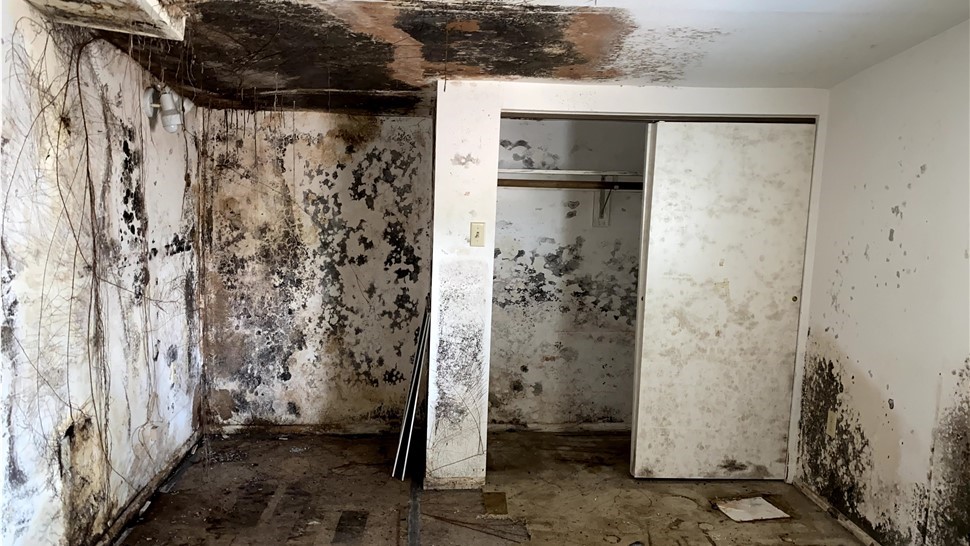
Mold Health Effects in Cocoa: What Homeowners in Brevard County Should Know
Mold health concerns come up often for homeowners in Cocoa, especially after leaks, storms, or long stretches of humid weather. Florida’s climate makes moisture control a daily challenge, and when moisture lingers indoors, mold can grow quietly. Over time, that indoor mold can affect comfort and day-to-day wellbeing — even if the home looks clean.
This guide explains how mold can affect people in Cocoa homes, what signs homeowners commonly notice, and how to address the conditions that allow mold to persist — without fear or exaggeration.
How Mold Can Affect People Indoors
Mold produces tiny particles that can become airborne when growth is active or disturbed. When indoor mold levels rise, some people notice changes in comfort, air quality, or how the home feels overall.
Common reactions people report include:
- Irritation of the eyes, nose, or throat
- Increased sneezing or congestion
- Headaches or fatigue when indoors
- Skin irritation in damp environments
Not everyone reacts the same way. Sensitivity varies widely, and symptoms alone do not confirm mold. They do suggest that moisture and indoor conditions should be evaluated.
Why Mold Health Concerns Are Common in Cocoa
Cocoa’s environment plays a major role in mold-related complaints. High humidity, frequent rain, and warm temperatures allow moisture to linger longer than in drier climates.
Local factors that increase indoor mold potential include:
- Slab foundations that hold moisture beneath flooring
- Constant air-conditioning and condensation
- Roof and plumbing leaks after storms
- Power outages that interrupt drying
- Homes near waterways with higher baseline humidity
Even without flooding, everyday moisture can build up slowly inside walls, ceilings, and HVAC systems.
Where Mold Exposure Often Comes From
Health-related complaints are usually tied to indoor mold growth, not outdoor mold. In Cocoa homes, exposure commonly comes from areas where moisture and airflow problems overlap.
Typical sources include:
- Bathrooms with poor ventilation
- Closets along exterior walls
- Under sinks and inside cabinets
- Attics with condensation or past leaks
- HVAC systems circulating humid air
- Hidden growth behind drywall or under flooring
When mold is hidden, odors or discomfort may be the first clue.
Signs Homeowners Often Notice First
Visible mold isn’t always the first warning. Many Cocoa homeowners notice indirect signs that suggest moisture problems.
Common indicators include:
- Musty or damp odors
- Odors that worsen when the AC runs
- Rooms that feel humid or stale
- Peeling paint or bubbling drywall
- Warped baseboards or flooring
These signs point to moisture issues that can support mold growth, even if mold isn’t immediately visible.
Hidden Mold and Ongoing Exposure
Hidden mold is one of the most overlooked contributors to ongoing discomfort. Mold can grow behind walls, under flooring, or inside insulation without obvious surface clues.
Hidden growth is often linked to:
- Slow plumbing leaks
- AC condensation inside walls or ceilings
- Roof leaks that were repaired but not fully dried
- Moisture trapped beneath slab foundations
In Cocoa and nearby Rockledge and Merritt Island, hidden mold is frequently discovered during inspections or renovations — long after the original moisture event.
Why DIY Cleanup Doesn’t Solve Health Concerns
Surface cleaning may improve appearance, but it rarely fixes moisture problems or hidden mold. Cleaning visible mold without addressing moisture allows growth to continue elsewhere.
DIY cleanup can:
- Miss mold growing inside materials
- Spread mold particles during scrubbing
- Leave moisture behind that fuels regrowth
- Delay proper evaluation
Painting over stains or relying on household cleaners often leads to repeat problems and ongoing discomfort.
How Professional Mold Inspection Helps
A professional mold inspection focuses on understanding conditions, not creating alarm. The goal is to identify moisture sources, locate potential mold growth, and determine whether indoor conditions support ongoing issues.
A proper inspection may include:
- Visual evaluation of affected areas
- Moisture readings inside walls, ceilings, and floors
- Inspection of attics, crawl spaces, and HVAC systems
- Thermal imaging to locate hidden dampness
- Air or surface sampling when appropriate
This approach helps homeowners understand what’s happening inside the home and what steps make sense next. Many Cocoa homeowners work with Brevard Mold Inspections & Removal for calm, practical inspections based on local conditions.
Addressing Mold to Improve Indoor Comfort
When mold is confirmed, improving indoor conditions usually involves both removal and moisture correction.
A proper approach may include:
- Containing affected areas to prevent spread
- Removing mold-damaged materials when necessary
- Cleaning and treating salvageable surfaces safely
- Thorough drying of the structure
- Correcting leaks, ventilation, or humidity issues
The focus is on restoring normal indoor conditions and preventing recurrence.
Preventing Mold-Related Comfort Issues
Prevention is key in Cocoa’s humid climate. Small, consistent steps make a big difference over time.
Helpful prevention tips include:
- Maintaining AC systems and condensate drain lines
- Running bathroom and kitchen exhaust fans
- Fixing leaks promptly, even minor ones
- Monitoring indoor humidity levels
- Inspecting attics and ceilings after storms
- Checking closets and cabinets periodically
After heavy rain or hurricanes, early moisture checks can prevent long-term problems.
Why Local Brevard County Experience Matters
Mold behavior in Florida is different from other regions. Cocoa homes face humidity, storms, slab foundations, and long cooling seasons that require local understanding.
Older neighborhoods differ from newer developments. Inland homes differ from coastal areas. Local experience helps ensure inspections and recommendations are realistic for Brevard County conditions.
A Calm, Practical Next Step
If you’re noticing musty odors, humidity issues, or changes in indoor comfort in your Cocoa home, a professional inspection can provide clarity. There’s no need for fear — just accurate information and a plan that fits your home.
Brevard Mold Inspections & Removal works with homeowners throughout Cocoa and Brevard County to provide inspections, testing, and guidance focused on improving indoor conditions and long-term home protection.