
Mold Inspection in Satellite Beach: What Homeowners in Brevard County Should Know
Mold inspections are a common request from homeowners in Satellite Beach, and for good reason. Coastal humidity, salt air, frequent storms, and year-round air conditioning create conditions where moisture problems can develop quietly. Many homes look perfectly fine on the surface while mold grows behind walls, above ceilings, or inside HVAC systems.
A mold inspection isn’t about panic or worst-case scenarios. It’s about understanding what’s actually happening in the home, especially when odors persist, moisture is suspected, or a property has a history of leaks or storms. Knowing when an inspection makes sense and what it really involves helps homeowners make calm, informed decisions.
Why Mold Inspections Are Common in Satellite Beach
Satellite Beach homes sit directly along the coast, which means constant exposure to humidity. Even on dry days, moisture in the air slows drying and allows damp materials to stay wet longer.
Storms add another layer of risk. Wind-driven rain can enter through roofs, windows, and exterior penetrations without causing obvious flooding. Power outages during storms can shut down air conditioning, allowing indoor humidity to rise quickly.
Because mold often develops without visible warning signs, inspections are frequently requested when something feels off rather than when mold is clearly visible.
What a Mold Inspection Is — and What It Is Not
A mold inspection is an evaluation of moisture conditions and potential mold growth in a home. It focuses on identifying where moisture is present, how it’s moving, and whether mold is likely developing as a result.
It is not a sales pitch, a scare tactic, or just a lab test. A proper inspection looks at the building as a system — how air, moisture, and materials interact in a coastal Florida environment.
The goal is clarity, not alarm.
Situations Where a Mold Inspection Makes Sense
Homeowners often request inspections for specific reasons. Persistent musty odors are one of the most common triggers, especially when cleaning doesn’t help.
Inspections are also common after water damage, even if the damage seemed minor or was already repaired. Storms, roof leaks, plumbing issues, and AC drain problems often leave behind hidden moisture.
Real estate transactions are another frequent reason. Buyers and sellers want to understand property conditions before moving forward.
Health concerns are sometimes mentioned, but inspections focus on building conditions rather than medical issues.
Where Inspectors Focus During a Mold Inspection
Bathrooms and kitchens are always evaluated because they generate regular moisture. Exhaust fans, plumbing fixtures, and surrounding materials receive close attention.
HVAC systems are a major focus in Satellite Beach homes. Air handlers, drain pans, coils, ductwork, and vents are common moisture locations in coastal climates.
Attics are inspected for roof leaks, poor ventilation, and condensation on roof decking. Many mold problems start here and remain hidden for long periods.
Walls, ceilings, and flooring in areas with past water damage are also checked carefully, even if no stains are visible.
How Moisture Detection Tools Are Used
One of the most valuable parts of a professional mold inspection is moisture detection.
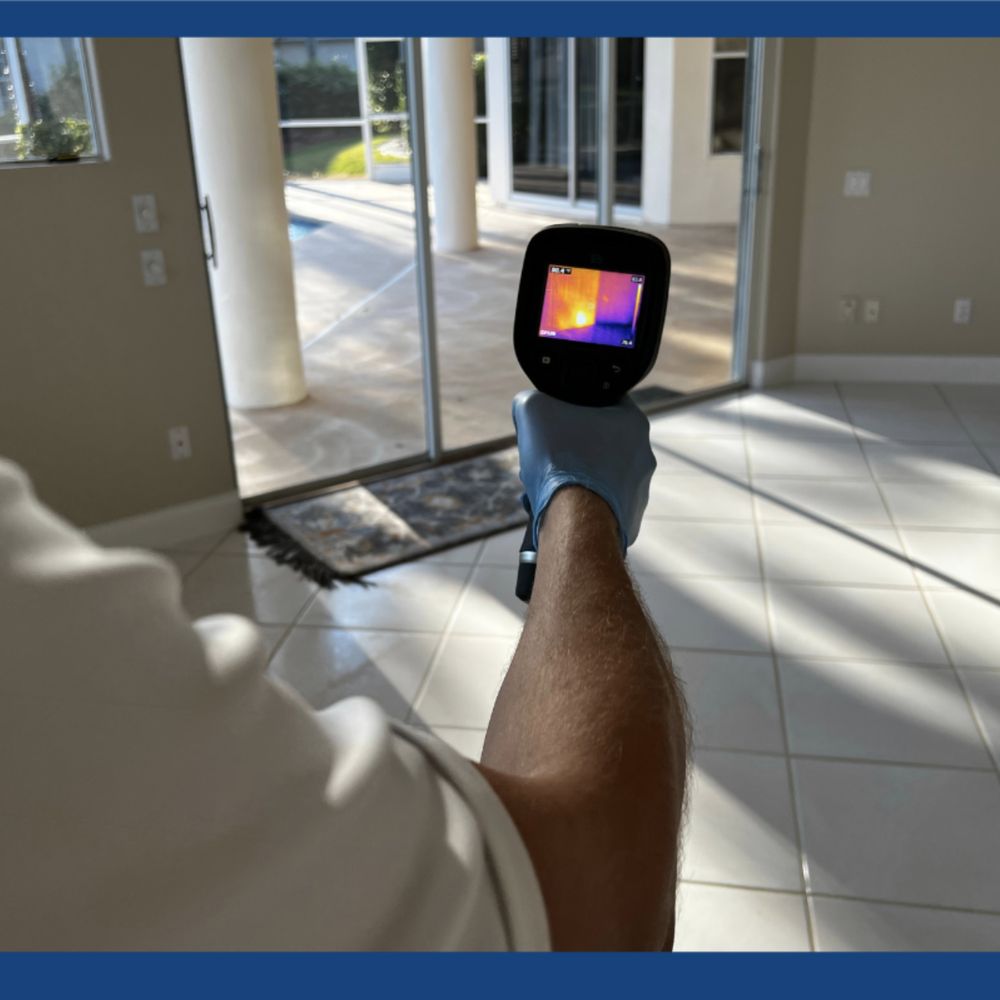
Moisture meters help identify damp drywall, wood, or flooring that appears dry on the surface. Thermal imaging can reveal temperature differences that suggest moisture intrusion or condensation.
These tools are especially important in slab-foundation homes common in Brevard County, where moisture movement is difficult to see without equipment.
They help confirm whether drying is complete or if moisture is still present.
The Role of Mold Testing
Mold testing is sometimes used during inspections, but it is not always necessary.
Testing can help when mold is suspected but not visible, or when documentation is needed. Air or surface samples may be collected to support findings.
However, testing alone does not identify moisture sources or solve problems. Moisture conditions always matter more than test results.
A good inspection uses testing selectively and explains what the results mean in practical terms.
Why Visual Mold Isn’t Required for an Inspection
Many homeowners assume inspections are only needed when mold is visible. In reality, visible mold often appears late in the process.
In Satellite Beach homes, mold frequently grows behind drywall, under flooring, or inside HVAC systems long before it can be seen. Odors, humidity issues, or recurring condensation are often the only early clues.
Inspections are most valuable before problems become obvious.
Common Issues Found During Inspections
Some of the most common findings include condensation around HVAC components, clogged or improperly sloped drain lines, and ductwork sweating in humid conditions.
Roof leaks and attic ventilation problems are also frequent, especially after storms. Wet insulation and mold on roof decking are often discovered even when ceilings look normal.
Plumbing leaks under sinks, inside walls, or near water heaters are another common source of hidden moisture.
High indoor humidity without obvious leaks is also a frequent contributor to mold risk.
Why DIY Checks Often Miss the Problem
Homeowners may check visible areas and assume everything is fine. Unfortunately, moisture doesn’t always leave surface evidence.
Drywall can look perfect while mold grows on the back side. Flooring can appear intact while moisture sits underneath. HVAC systems can hide mold deep inside components.
Without proper tools and experience, it’s easy to miss what’s really happening.
How Inspection Findings Are Used
Inspection results help homeowners decide what to do next. Sometimes the solution is simple — improved ventilation, AC maintenance, or minor repairs.
In other cases, remediation may be needed to address mold growth and correct moisture issues.
Clear findings help avoid unnecessary work and focus attention where it actually matters.
Brevard Mold Inspections & Removal provides inspections that prioritize explanation and understanding rather than pressure.
Mold Inspections and Coastal Living
Living near the ocean means accepting higher moisture exposure. Salt air, storms, and humidity are part of daily life in Satellite Beach.
A mold inspection helps homeowners understand how their specific home handles these conditions. Two homes on the same street can behave very differently based on construction, ventilation, and maintenance.
Local experience matters when interpreting what’s normal and what’s a problem.
When an Inspection Can Save Money
Early inspections often prevent larger repairs. Identifying moisture early can stop mold from spreading into walls, insulation, or HVAC systems.
Many homeowners only call for help after repeated cleaning fails or odors worsen. At that point, mold is often more established.
An inspection provides a snapshot of current conditions before issues escalate.
What a Mold Inspection Does Not Do
A mold inspection does not automatically mean remediation is required. Many inspections end with reassurance and preventive guidance.
It also does not diagnose health conditions or make medical claims. The focus remains on the building and moisture behavior.
Inspections provide information, not fear.
Preventing Mold After an Inspection
Even when no active mold is found, inspections often highlight areas to watch.
Regular AC maintenance, proper use of exhaust fans, prompt repair of leaks, and monitoring indoor humidity all reduce risk.
After storms, checking attics, ceilings, and HVAC systems helps catch moisture early.
Prevention is ongoing in coastal Florida, not a one-time task.
Why Local Experience in Brevard County Matters
Mold behaves differently in Satellite Beach than in inland or dry regions. Coastal humidity, slab foundations, storms, and long cooling seasons shape how moisture moves through homes.
Local experience means knowing where problems typically appear and which solutions actually hold up over time.
This perspective helps inspections stay practical and relevant.
A Calm, Practical Takeaway
A mold inspection in Satellite Beach is about understanding your home, not assuming the worst. Many inspections confirm small, manageable issues or provide peace of mind.
If your home smells musty, feels damp, has a history of leaks or storms, or you simply want clarity, an inspection can be a smart step.
Homeowners across Brevard County benefit from knowing what’s happening behind the walls and above the ceilings. Brevard Mold Inspections & Removal helps homeowners evaluate mold risks, understand moisture conditions, and make informed decisions with confidence.
When you understand the situation clearly, dealing with mold becomes far less stressful.