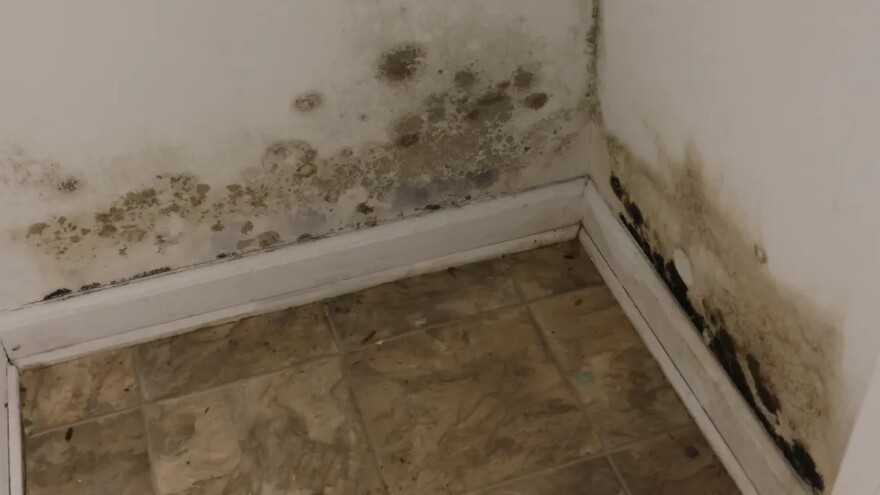
Mold After Hurricanes in Cape Canaveral: What Homeowners in Brevard County Should Know
In Cape Canaveral, hurricanes don’t have to cause dramatic flooding to trigger mold problems. Many homeowners clean up visible water, replace a few materials, and assume everything is fine—only to notice musty odors, humidity issues, or mold growth weeks or even months later. In Brevard County’s coastal climate, hurricanes create the perfect conditions for mold long after the storm passes.
Mold after hurricanes is rarely about neglect. It’s usually the result of hidden moisture that never fully dried, combined with heat, humidity, and limited airflow. Understanding how hurricanes lead to mold in Cape Canaveral homes, where problems tend to develop, and why timing matters can help homeowners avoid long-term damage and repeated frustration.
Why Hurricanes Create Mold Problems in Cape Canaveral
Cape Canaveral sits directly along the Atlantic, where storms bring more than just rain. Hurricanes introduce prolonged moisture, wind-driven rain, and power disruptions that affect how homes dry.
Local factors that increase post-hurricane mold risk include:
- Wind-driven rain entering through small openings
- Salt air accelerating wear on seals and flashing
- High outdoor humidity before and after storms
- Power outages that shut down air conditioning
- Slab foundations that trap moisture beneath flooring
- Warm temperatures that slow evaporation
Even when interiors look dry, moisture can remain trapped inside walls, floors, and attics.
How Mold Develops After a Hurricane
Mold growth after a hurricane is often delayed, which is why it catches homeowners off guard.
A common sequence looks like this:
- Wind and rain force moisture into the home
- Surfaces dry, but materials remain damp internally
- AC systems are off or struggling due to outages
- Humidity stays elevated indoors
- Mold begins growing out of sight
By the time mold becomes visible, the storm may feel like a distant event.
Common Hurricane-Related Moisture Sources
In Cape Canaveral homes, mold after hurricanes often traces back to moisture sources that seemed minor at first.
Frequent contributors include:
- Roof leaks from lifted shingles or damaged flashing
- Water intrusion around windows and sliding doors
- Leaks at roof penetrations and vents
- AC condensate issues after power restoration
- Moisture entering attics from wind-driven rain
These issues don’t always leave obvious stains immediately.
Areas Where Mold Commonly Appears After Hurricanes
Post-hurricane mold is often hidden, especially early on.
High-risk areas include:
- Attics and roof decking
- Behind drywall on exterior walls
- Beneath laminate, vinyl, or carpet flooring
- Inside wall cavities near windows and doors
- Around HVAC air handlers and ductwork
- Closets and cabinets on exterior walls
Visible mold is often just a small part of the overall problem.
Why Attics Are Especially Vulnerable
Attics are one of the most common places mold develops after hurricanes in Cape Canaveral.
This happens because:
- Wind-driven rain enters through tiny roof gaps
- Bathroom fans may push humid air into the attic
- Wet insulation dries very slowly
- High attic heat creates condensation
Attic mold often goes unnoticed until odors or ceiling stains appear.
HVAC Systems and Post-Hurricane Mold
HVAC systems are heavily affected by hurricanes and outages.
Common post-storm HVAC issues include:
- Systems shutting down during power loss
- Standing water in drain pans
- Clogged condensate drain lines
- Condensation forming when systems restart
If moisture remains inside HVAC components, mold can spread throughout the home once air circulation resumes.
Warning Signs Mold May Be Developing
Homeowners often notice subtle changes before seeing mold.
Common warning signs include:
- Musty or earthy odors
- Odors stronger when the AC turns on
- Discoloration on ceilings or walls
- Peeling paint or bubbling drywall
- Condensation that doesn’t fully dry
- Mold that returns after cleaning
These signs usually indicate hidden moisture from the storm.
Why DIY Cleanup After Hurricanes Often Fails
After hurricanes, many homeowners focus on surface drying and cleaning. While important, this often doesn’t address moisture trapped inside materials.
DIY efforts fall short because:
- Fans don’t dry inside walls or under floors
- Bleach doesn’t penetrate porous materials
- Hidden mold is left untouched
- Moisture sources aren’t fully identified
In Cape Canaveral’s humid environment, mold frequently returns if moisture isn’t corrected thoroughly.
The Importance of Mold Inspections After Hurricanes
A professional mold inspection after a hurricane focuses on conditions, not just visible damage.
An inspection may include:
- Moisture readings in walls, floors, and ceilings
- Attic inspections for roof-related moisture
- Evaluation of HVAC systems and drainage
- Identification of hidden damp areas
- Connecting mold growth to storm-related moisture
This helps homeowners understand whether mold is present—or likely to develop if moisture remains.
Brevard Mold Inspections & Removal works with Cape Canaveral homeowners after hurricanes to assess mold risks calmly and clearly, focusing on facts rather than fear.
Mold Remediation After Hurricanes
When mold is confirmed, proper remediation focuses on removal and prevention, not cosmetic fixes.
A correct remediation approach may include:
- Containment to prevent spore spread
- Removal of contaminated porous materials
- Correcting storm-related moisture sources
- Cleaning remaining surfaces appropriately
- Thorough drying and humidity control
Addressing the hurricane’s impact on moisture is essential to prevent mold from returning.
Hurricanes, Insurance, and Mold Timing
Mold often appears after storm repairs are completed, which can complicate recovery efforts.
Important considerations include:
- Mold is often linked to storm-related moisture
- Delayed discovery is common in coastal Florida
- Inspections help establish conditions clearly
Identifying and documenting moisture early helps protect the home regardless of claim status.
Preventing Mold After Future Hurricanes
While hurricanes can’t be prevented, mold risk can be reduced with early action.
Helpful steps include:
- Inspecting roofs and attics after storms
- Restoring AC operation as soon as possible
- Using dehumidification during drying
- Monitoring for odors or moisture changes
- Checking behind walls and under flooring
- Scheduling post-storm inspections
Early detection prevents larger problems later.
Why Local Cape Canaveral Experience Matters
Hurricane-related mold behaves differently in coastal Florida than in inland or dry regions. Cape Canaveral homes face challenges tied to humidity, storms, slab foundations, and salt air.
Local professionals understand:
- How wind-driven rain enters coastal homes
- How humidity slows drying after storms
- Where mold commonly develops post-hurricane
- How HVAC systems contribute to spread
Local knowledge leads to more accurate assessments and realistic solutions.
A Calm, Practical Takeaway for Homeowners
Mold after hurricanes in Cape Canaveral is common—but it’s manageable when addressed correctly. Most problems stem from moisture that didn’t fully dry, not from severe damage or neglect.
If your home experienced a hurricane and you’re now noticing musty odors, moisture issues, or recurring mold, a professional inspection can provide clarity. Understanding where moisture remains and how it’s affecting your home is the most effective way to prevent long-term mold problems and protect your property in Brevard County’s coastal climate.