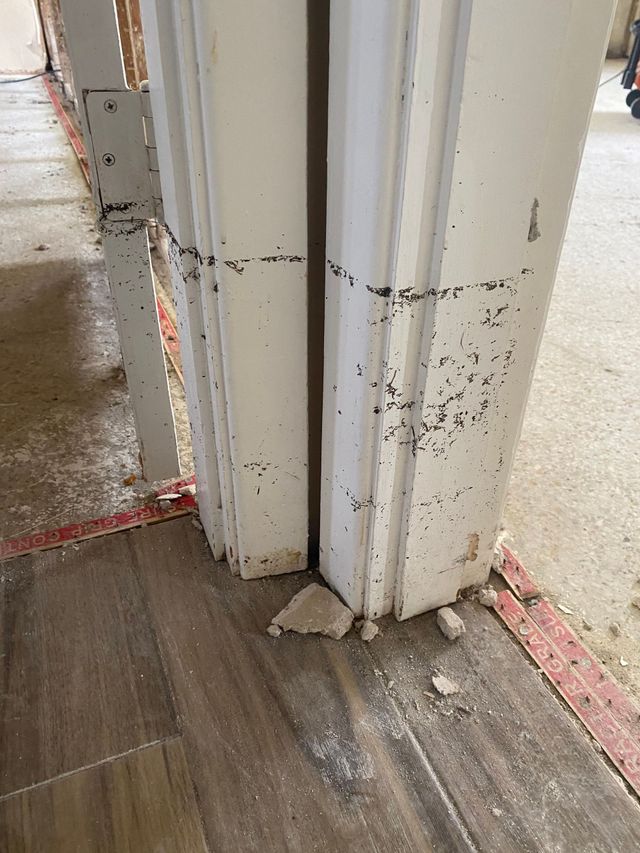
Mold After Hurricanes in Cocoa: What Homeowners in Brevard County Should Know
Hurricanes and tropical storms are a reality for homeowners in Cocoa and across Brevard County. Even when a storm passes without obvious flooding, it can still leave behind moisture that quietly turns into a mold problem. Wind-driven rain, power outages, roof damage, and elevated humidity all create conditions where mold can begin growing long after cleanup feels “done.”
Many Cocoa homeowners are surprised to discover mold weeks — or even months — after a hurricane. Understanding how storms lead to mold, where problems typically hide, and how to respond calmly can help protect your home and prevent long-term damage.
How Hurricanes Lead to Mold Growth
Mold doesn’t require standing water to become an issue. After a hurricane, moisture can enter a home in subtle ways:
- Wind-driven rain through roofs, vents, or flashing
- Water intrusion around windows and doors
- Plumbing backups during heavy rainfall
- AC systems shutting down during power outages
- Elevated indoor humidity for extended periods
Once moisture gets into materials like drywall, wood framing, insulation, or flooring, mold can begin growing within 24–48 hours if drying is incomplete. In Cocoa’s warm, humid climate, drying takes longer — giving mold more opportunity to develop.
Why Cocoa Homes Are Especially Vulnerable After Hurricanes
Cocoa’s location and construction styles increase post-storm mold risk, even when flooding doesn’t occur.
Key local factors include:
- High humidity before and after storms
- Slab foundations that trap moisture under flooring
- Older roofs or windows vulnerable to wind-driven rain
- Heavy rainfall overwhelming drainage systems
- Power outages that stop AC-based dehumidification
Homes near waterways or low-lying areas may retain moisture longer, but inland Cocoa neighborhoods experience similar issues due to prolonged humidity and storm exposure.
Common Signs of Mold After a Hurricane
Mold problems don’t always show up immediately. Homeowners often notice indirect signs first.
Common warning signs include:
- Musty or earthy odors that weren’t present before
- Stains or discoloration on walls or ceilings
- Bubbling or peeling paint
- Warped flooring or baseboards
- Indoor air that feels damp or stale
In many Cocoa homes, odors are the first clue that moisture is still present somewhere out of sight.
Hidden Mold Problems After Storms
One of the biggest challenges after hurricanes is hidden moisture. Even when visible water is cleaned up quickly, moisture often remains trapped inside the structure.
Hidden mold commonly develops:
- Behind drywall near roof or window leaks
- Under tile, laminate, or carpet flooring
- Inside cabinets and wall cavities
- In attics after wind-driven rain
- In crawl spaces or beneath slab edges
- Inside HVAC systems that circulated humid air
Mold is frequently discovered later during renovations, inspections, or when odors won’t go away.
Why Waiting or DIY Cleanup Makes Things Worse
After storms, many homeowners rely on fans, shop vacs, or surface cleaning and assume the home has dried sufficiently. While these steps help initially, they often don’t reach moisture trapped inside walls, floors, or insulation.
DIY cleanup can:
- Miss hidden moisture and mold
- Spread mold spores during scrubbing
- Leave damp materials behind
- Delay proper evaluation
Bleach and surface cleaners don’t remove mold growing beneath surfaces and don’t prevent regrowth if moisture remains.
How Professional Mold Inspection Helps After Hurricanes
A professional mold inspection focuses on finding moisture, not just visible mold — which is critical after storm events.
A proper post-hurricane inspection may include:
- Visual assessment of storm-affected areas
- Moisture readings inside walls, ceilings, and floors
- Thermal imaging to locate hidden dampness
- Inspection of attics, crawl spaces, and HVAC systems
- Air or surface sampling when appropriate
Testing, when used, supports decision-making rather than creating alarm. Many homeowners across Brevard County work with Brevard Mold Inspections & Removal for calm, thorough post-storm inspections based on local conditions.
Proper Mold Removal and Remediation After Hurricanes
If mold is confirmed, remediation should address both the mold and the moisture source. Removing mold without correcting moisture almost guarantees recurrence.
A proper remediation approach typically includes:
- Containing affected areas to prevent spread
- Removing mold-damaged materials when necessary
- Cleaning and treating salvageable surfaces safely
- Thorough structural drying
- Addressing roof, window, plumbing, or drainage issues
Florida homes require remediation strategies designed for humidity, storms, and repeated weather events.
Preventing Mold After Future Hurricanes
Quick action after storms is the most effective prevention strategy.
Helpful prevention steps include:
- Inspecting roofs, windows, and ceilings immediately after storms
- Drying affected areas within 24–48 hours
- Using professional drying equipment when needed
- Running AC or dehumidifiers as soon as power is restored
- Monitoring indoor humidity levels
- Scheduling inspections even when damage appears minor
In Cocoa, it’s often safer to assume moisture traveled farther than it looks and check hidden areas proactively.
Why Local Brevard County Experience Matters
Hurricane-related mold in Florida behaves differently than in other regions. Cocoa homes face intense rain, prolonged humidity, and varied construction styles that require local understanding.
Homes near waterways differ from higher-elevation properties. Older homes differ from newer developments. Local experience helps professionals recognize these differences and recommend realistic, effective solutions for Brevard County homes.
A Calm, Practical Next Step
If your Cocoa home has experienced a hurricane — even if damage seemed minimal — and you’re noticing odors, humidity, or unexplained changes, a professional inspection can provide clarity. Early evaluation helps prevent small moisture issues from becoming major mold problems.
Brevard Mold Inspections & Removal works with homeowners throughout Cocoa and Brevard County to provide inspections, testing, and guidance focused on long-term home protection and peace of mind.
Images: Mold After Hurricanes in Cocoa Homes