Black Mold in Merritt Island: What Homeowners in Brevard County Should Know
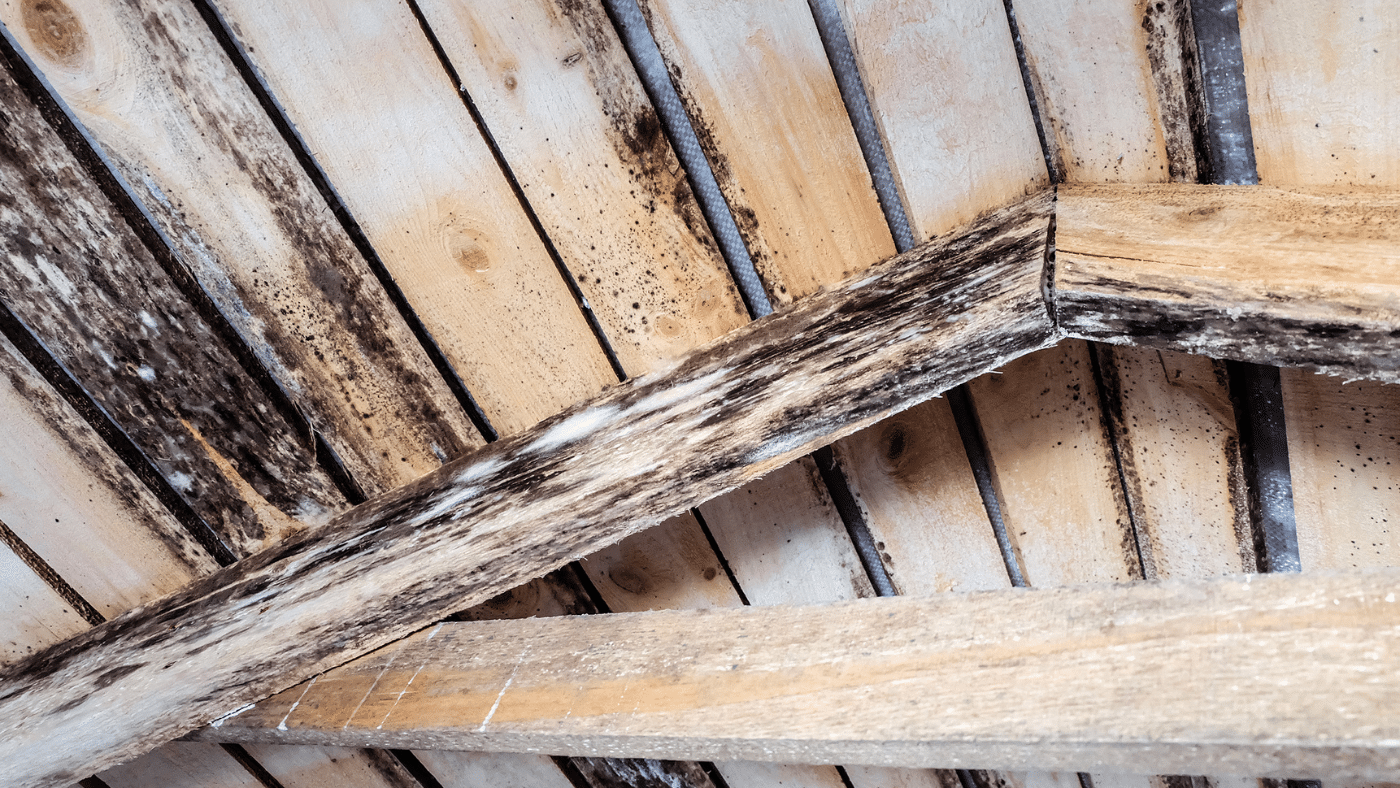
In Merritt Island, homeowners often become concerned when they see dark or black-looking mold on walls, ceilings, or around vents. The term “black mold” carries a lot of weight, but in reality, the color alone doesn’t tell the whole story. In Brevard County’s humid, lagoon-surrounded environment, dark mold growth is common, and it usually signals one thing above all else: moisture has been present longer than it should be.
Understanding what black mold actually means, why it appears so often in Merritt Island homes, and how it should be addressed calmly and correctly can help homeowners avoid unnecessary fear while still taking the problem seriously.
What People Mean by “Black Mold”
“Black mold” is not a scientific category. It’s a general term homeowners use when mold appears dark green, dark brown, or black in color.
What matters more than color is:
- How long moisture has been present
- Where the mold is growing
- Whether the moisture source is ongoing
- Whether growth is visible or hidden
Dark-colored mold often indicates long-term moisture exposure, not something rare or unusual in Florida homes.
Why Black Mold Is Common in Merritt Island
Merritt Island’s geography makes moisture control especially challenging. Surrounded by the Indian River and Banana River, the area experiences high humidity almost year-round.
Local conditions that increase black mold risk include:
- Constant coastal and lagoon humidity
- High water tables
- Slab foundations that hold moisture
- Frequent rain and storms
- Long AC run times creating condensation
- Homes kept closed and air-conditioned most of the year
Even small moisture issues can support mold growth when humidity stays elevated.
How Black Mold Typically Develops
Black mold rarely appears overnight. It usually develops slowly when moisture remains trapped inside materials.
A common pattern looks like this:
- Moisture enters from humidity, condensation, or a small leak
- Surfaces dry, but materials stay damp internally
- Mold grows out of sight for weeks or months
- Dark staining or spots finally become visible
By the time black mold is seen, the moisture problem often isn’t new.
Common Places Black Mold Appears in Merritt Island Homes
Dark mold growth tends to show up where moisture lingers and airflow is limited.
High-risk areas include:
- Bathroom ceilings and grout lines
- Behind drywall near plumbing
- Under laminate or vinyl flooring
- Around HVAC vents and air handlers
- Attics after roof or storm-related leaks
- Closets on exterior walls
Visible growth is often only part of the total affected area.
Hidden Black Mold Is More Common Than Visible Growth
One of the biggest concerns with black mold is how often it’s hidden.
Hidden mold frequently grows:
- Behind walls exposed to humidity
- Beneath flooring on slab foundations
- Inside wall cavities near bathrooms or kitchens
- In attic insulation
- Inside HVAC systems
Hidden mold often explains musty odors or recurring problems even when visible areas are cleaned.
Why Black Mold Keeps Coming Back After Cleaning
Many Merritt Island homeowners clean visible mold only to see it return.
This happens because:
- Moisture sources weren’t corrected
- Mold roots remain in porous materials
- Bleach doesn’t penetrate drywall or wood
- Hidden growth continues spreading
In a humid environment, mold will return as long as moisture remains.
Bathrooms and Black Mold
Bathrooms are one of the most common places black mold appears.
Bathroom mold is usually caused by:
- Steam that isn’t vented properly
- Exhaust fans that are undersized or unused
- Fans venting into attics
- Moisture trapped behind ceilings and walls
Black mold in bathrooms usually signals a ventilation problem, not a cleaning issue.
HVAC Systems and Black Mold
HVAC systems play a major role in black mold concerns.
Dark mold may develop:
- Inside air handlers
- On evaporator coils
- In drain pans with standing water
- Around supply vents with condensation
Because HVAC systems circulate air, mold here can affect the entire home.
Attics and Black Mold After Storms
Attics are a frequent location for black mold in Merritt Island, especially after storms.
Common attic causes include:
- Wind-driven rain entering roof gaps
- Damaged flashing or vents
- Bathroom fans venting moist air into the attic
- Insulation drying very slowly
Attic mold often goes unnoticed until odors or ceiling stains appear.
Why DIY Black Mold Cleanup Is Risky
DIY cleanup often makes black mold less visible, not less active.
DIY approaches fail because:
- Bleach doesn’t remove mold roots
- Scrubbing releases spores into the air
- Moisture problems remain
- Hidden mold is untouched
DIY cleanup often delays proper correction and allows growth to continue.
The Role of Professional Mold Inspections
A professional mold inspection focuses on conditions, not fear.
An inspection may include:
- Moisture readings in walls and floors
- Attic inspections for roof-related moisture
- HVAC system evaluation
- Identification of hidden mold areas
- Clear explanation of causes
This helps determine whether remediation is actually needed and where to focus.
Brevard Mold Inspections & Removal works with Merritt Island homeowners to evaluate black mold concerns calmly, focusing on moisture sources and practical solutions rather than alarm.
Mold Testing and Black Mold Concerns
Mold testing isn’t always required for black mold, but it can help when:
- Mold is suspected but not visible
- Odors persist without a clear source
- HVAC involvement is suspected
- Confirmation is needed after remediation
Testing is most useful when guided by inspection findings.
Proper Remediation for Black Mold
When remediation is necessary, it focuses on removal and prevention, not appearance.
Proper remediation may include:
- Containment to prevent spore spread
- Removal of contaminated porous materials
- Cleaning remaining surfaces appropriately
- Correcting moisture sources
- Thorough drying and humidity control
Without moisture correction, black mold will return.
Preventing Black Mold in Merritt Island Homes
Prevention is about controlling moisture consistently.
Helpful prevention steps include:
- Using bathroom exhaust fans properly
- Maintaining HVAC systems and drain lines
- Monitoring indoor humidity
- Inspecting attics after storms
- Fixing leaks promptly
- Allowing airflow in closets and storage areas
Small habits make a big difference over time.
Why Local Merritt Island Experience Matters
Black mold behaves differently in Florida than in dry climates. Merritt Island homes face challenges tied to humidity, water tables, slab construction, and storms.
Local professionals understand:
- Where moisture commonly hides locally
- How lagoon humidity affects homes
- How HVAC systems influence mold growth
- How storms change drying timelines
Local experience leads to accurate assessments and lasting results.
A Calm, Practical Takeaway for Homeowners
Seeing black mold in your Merritt Island home can be unsettling—but it’s usually a sign of moisture, not something mysterious or extreme. Most black mold problems develop slowly and can be managed effectively once the moisture source is identified.
If mold keeps returning, odors linger, or humidity feels hard to control, a professional inspection can provide clarity. Addressing both the mold and the moisture behind it is the most effective way to protect your home and stay comfortable in Brevard County’s humid environment.