



Mold in Rental Properties in Indian Harbour Beach: What Homeowners in Brevard County Should Know
Mold issues in rental properties are a common challenge for property owners in Indian Harbour Beach. Coastal humidity, frequent storms, and year-round air conditioning create conditions where moisture problems can develop quietly, especially in homes that change occupants or sit vacant between tenants.
For landlords and property owners, mold isn’t just a maintenance concern. It can affect tenant comfort, property value, and long-term upkeep. Understanding why mold is so common in rental properties, where it typically develops, and how to manage it responsibly helps owners protect both their investment and their tenants.
Why Rental Properties Face Higher Mold Risk
Rental homes experience patterns that owner-occupied homes often don’t. Units may sit vacant with AC systems turned off or set too high, allowing indoor humidity to rise.
Tenants may not always report small leaks, ventilation issues, or early warning signs right away. Over time, that delayed response allows moisture to linger and mold to develop.
In Indian Harbour Beach, constant coastal humidity magnifies these risks. Even short periods without proper climate control can be enough to start mold growth.
Common Moisture Sources in Rental Homes
HVAC systems are one of the most frequent contributors. Improper thermostat settings, clogged drain lines, or lack of maintenance can cause condensation issues inside air handlers and ductwork.
Bathrooms are another high-risk area. Inconsistent use of exhaust fans, long hot showers, and poor ventilation allow moisture to build up on ceilings, walls, and behind tile.
Plumbing leaks under sinks, behind toilets, or inside walls are common in rentals. Slow leaks may go unnoticed until mold is already established.
Storm-related water intrusion through roofs, windows, or doors can also introduce moisture without immediate visible damage.
Where Mold Is Commonly Found in Rental Properties
Bathrooms and laundry areas are frequent problem spots due to daily moisture use.
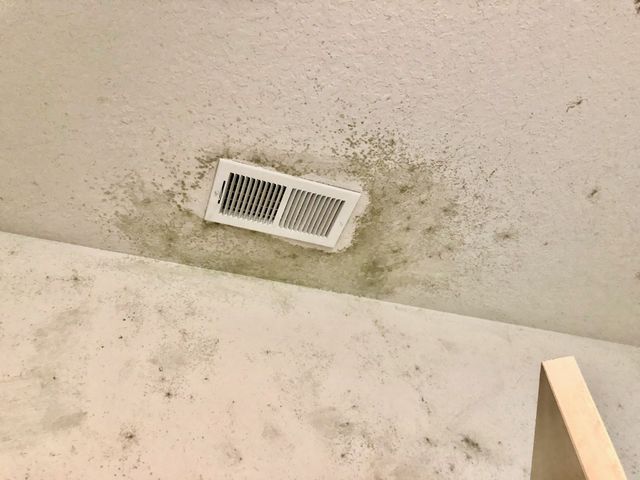
HVAC closets, air handlers, and duct systems often hide mold caused by condensation and poor drainage.
Behind drywall and under flooring are common hidden locations, especially after leaks or tenant move-outs where cleaning focuses on visible areas only.
Attics may develop mold after storms, particularly if exhaust fans vent improperly or roof leaks go unnoticed.
Early Warning Signs Property Owners Should Watch For
Musty odors are often the first sign. These smells may be reported by tenants or noticed during walkthroughs.
Visible discoloration on ceilings, around vents, or near baseboards can indicate moisture problems beneath the surface.
Complaints of rooms feeling damp or uncomfortable, even when the AC is running, often point to humidity or HVAC-related issues.
Recurring mold in the same areas after cleaning is a strong indicator that moisture is still present.
Why Mold Problems Often Return in Rentals
Surface cleaning between tenants may remove visible mold but rarely addresses the underlying cause.
If moisture sources such as leaks, ventilation issues, or HVAC problems aren’t corrected, mold is likely to return once the unit is occupied again.
In Indian Harbour Beach rentals, humidity alone can support mold growth if climate control isn’t maintained consistently.
The Role of Tenants in Mold Prevention
Tenants play a role in moisture control, but they aren’t mold experts.
Using bathroom exhaust fans, reporting leaks promptly, and maintaining reasonable thermostat settings all help reduce mold risk.
Clear communication and guidance from property owners make a difference. When expectations are understood, small issues are more likely to be addressed early.
Why DIY Mold Cleanup Is Risky for Rental Owners
DIY mold cleanup may seem like a quick solution, but it often creates more problems.
Scrubbing mold without containment can spread spores throughout the unit, especially through HVAC systems. This increases the likelihood of mold appearing in new areas.
Household cleaners do not address hidden mold or moisture sources. Problems often return, sometimes worse than before.
Repeated DIY cleanup can lead to higher long-term costs and frustrated tenants.
Professional Mold Inspection for Rental Properties
A professional mold inspection helps property owners understand what’s really happening inside a rental unit.
Inspections focus on moisture conditions, HVAC systems, bathrooms, attics, walls, and areas with past water damage. Moisture meters and thermal imaging help locate damp materials behind surfaces.
When appropriate, air or surface sampling may be used to support findings or provide documentation, especially during tenant turnover or disputes.
Clear inspection results help owners make informed decisions and avoid unnecessary work.
Mold Remediation in Rental Homes
When mold is confirmed, proper remediation addresses both mold growth and the moisture that caused it.
Containment is used to prevent spores from spreading during removal. Mold-affected materials may be cleaned or removed depending on severity.
Just as important, moisture sources must be corrected. This may involve HVAC servicing, plumbing repairs, ventilation improvements, or building envelope fixes.
Brevard Mold Inspections & Removal approaches rental property mold with a prevention-focused mindset, helping owners avoid repeat issues.
Managing Mold Between Tenants
Tenant turnover is a critical time for mold prevention.
Units should remain climate-controlled even when vacant. Allowing humidity to rise between tenants is a common cause of mold problems.
Bathrooms, HVAC systems, and areas with past water issues should be inspected carefully during turnovers. Addressing small issues early prevents larger problems later.
Documenting conditions at move-in and move-out also helps protect property owners.
Long-Term Mold Prevention for Rental Properties
Consistent HVAC maintenance is one of the most effective prevention strategies. Drain lines, coils, and airflow should be checked regularly.
Clear instructions for tenants regarding ventilation and leak reporting help reduce risk.
After storms, rental properties should be inspected promptly, even if no damage is immediately visible.
Monitoring indoor humidity provides early warning before mold develops.
Why Local Experience in Brevard County Matters
Rental properties in Indian Harbour Beach face challenges unique to coastal Florida. High humidity, salt air, storms, and slab construction all influence moisture behavior.
Local experience means understanding how quickly mold can develop here and which prevention strategies actually work long-term.
Generic advice often fails in Brevard County’s climate.
A Calm, Practical Takeaway
Mold in rental properties is common in Indian Harbour Beach, but it’s manageable with the right approach. Mold is almost always a moisture issue first, not a cleaning issue.
Proactive inspections, consistent maintenance, and clear tenant communication go a long way toward preventing problems. Early action reduces costs, stress, and tenant disruption.
Homeowners and property owners across Brevard County benefit from clear information and practical solutions. Brevard Mold Inspections & Removal helps rental property owners identify mold risks, correct moisture problems, and protect their investments with confidence.
Handled properly, mold becomes a maintenance issue that can be controlled — not a recurring headache that keeps coming back.